In the quiet residential corridors of Landshut, Bavaria, a clash between traditional community expectations and modern urban development has emerged, placing the local Catholic Church at the center of a heated debate. The dispute centers on a proposed construction project on Gutenbergweg, where the church’s decision to partner with a private developer has sparked significant backlash from neighbors and local critics.
The project involves the development of residential units on land owned by the church, a move that proponents argue is a necessary step toward financial sustainability and urban modernization. However, for many residents, the scale and nature of the planned buildings represent an intrusion into the neighborhood’s character, raising questions about the role of religious institutions in commercial real estate ventures.
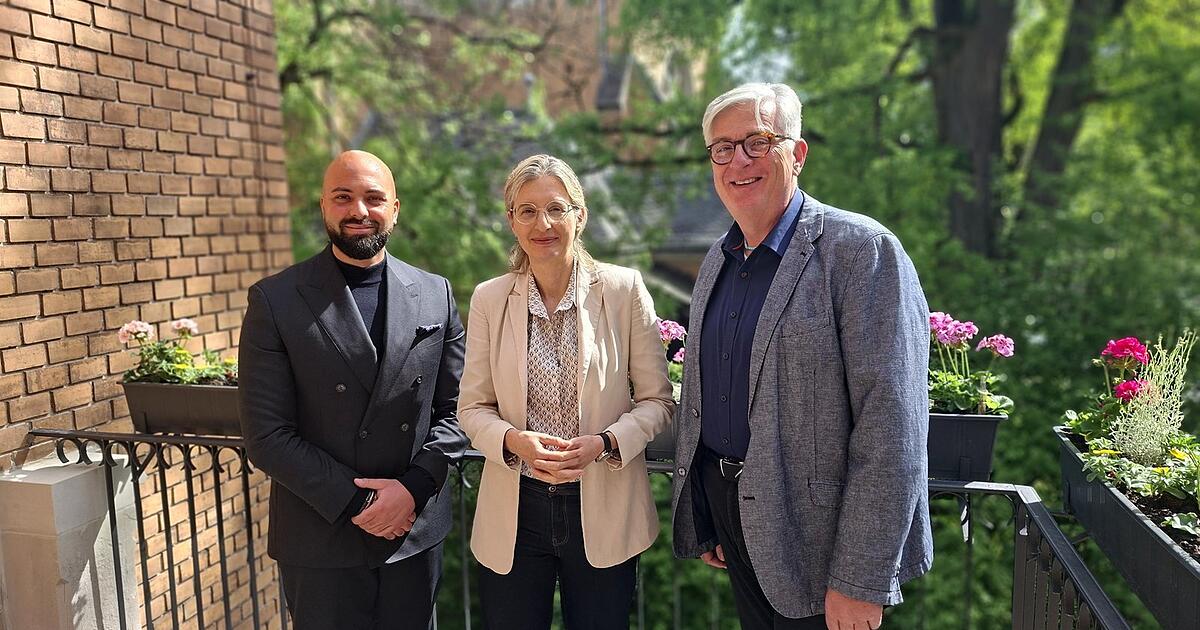
At the heart of the controversy is the partnership between church leadership—specifically Dean Nina Lubomierski and Pastor Johannes Hesse—and Christoph Saubert of Phönix Immobilien. While the church maintains that the developer aligns with its institutional values, the local community remains divided over whether these values are being upheld in the face of profit-driven development.
As Landshut continues to navigate the pressures of housing shortages and urban growth, the Gutenbergweg case serves as a microcosm of a larger European struggle: the tension between the historical landholdings of the church and the evolving needs of the modern city.
The Gutenbergweg Project: Vision vs. Reality
The proposed construction project on Gutenbergweg is designed to transform a portion of church-owned property into a residential complex. In a city like Landshut, where zoning laws and architectural heritage are strictly guarded, any significant change to the residential landscape is met with scrutiny.
The development, led by Christoph Saubert of Phönix Immobilien, aims to maximize the utility of the land. For the church, this is not merely a financial transaction but a strategic move to ensure that their assets are managed efficiently to support their broader mission. By leasing or selling land for development, the church can generate a steady stream of income to maintain its parishes and social services, which are often underfunded in an era of declining church tax revenues in Germany.
However, the “reality” for the neighbors is different. The primary grievances involve the density of the proposed housing, the potential increase in traffic on the narrow Gutenbergweg, and the loss of green space. Critics argue that the project is too massive for the surrounding area, suggesting that the church has prioritized the developer’s profit margins over the well-being of the parishioners and residents who live adjacent to the site.
The Church’s Defense of Phönix Immobilien
In a public effort to quell the unrest, Dean Nina Lubomierski and Pastor Johannes Hesse have stood firmly behind the project. Their defense rests largely on the character and track record of the developer. The church leadership has emphasized that Christoph Saubert was not chosen solely for his financial capacity, but because his approach to development is perceived as being in harmony with the church’s ethical standards.
According to church representatives, Phönix Immobilien has demonstrated a commitment to quality and a willingness to engage with the community. The church argues that the developer possesses a set of values—specifically regarding the longevity of the buildings and the quality of living for future tenants—that make him a suitable partner for a religious institution.
This “values-based” defense is a strategic attempt to pivot the conversation from a purely economic dispute to one of moral and social alignment. By framing the project as a partnership of shared values, the church seeks to justify the commercial nature of the development as a means to a virtuous end.
Urban Planning and the “Church Factor” in Bavaria
The controversy in Landshut is not an isolated incident but reflects a broader trend across Bavaria, and Germany. The Catholic Church remains one of the largest landowners in the country, often holding prime real estate in city centers and residential zones that were acquired centuries ago.
Under German building laws, specifically the Baugesetzbuch (Federal Building Code), the transition of land use from ecclesiastical or green space to residential use requires a complex series of approvals from city planning offices. The Baugesetzbuch mandates that new developments must be “harmonious” with the existing surroundings, a clause that the opposition on Gutenbergweg is using to challenge the project’s legality.
The “Church Factor” complicates these planning processes. On one hand, the church is a respected pillar of the community; on the other, it is a corporate entity managing a massive portfolio. When the church acts as a developer or a landlord, it often finds itself in a paradoxical position: it must operate within the competitive market of real estate while maintaining an image of selfless service and community stewardship.
The Impact on Local Residents
For the people of Landshut, the impact of the Gutenbergweg project is felt in the anxiety over their immediate environment. The shift from a quiet, church-adjacent area to a denser residential zone changes the social fabric of the street. Residents have expressed concerns that such projects set a precedent, potentially leading to a “domino effect” where other green spaces or low-density plots are sold off for high-density housing.
The emotional weight of the dispute is amplified by the fact that the land is owned by the church. There is a perceived betrayal when the institution that provides spiritual guidance is seen as the catalyst for a project that residents believe degrades their quality of life. This has led to a breakdown in trust between some members of the congregation and the parish leadership.
Broader Implications: Faith, Finance, and Gentrification
The Landshut dispute touches upon the sensitive issue of gentrification in mid-sized German cities. As urban populations grow, the demand for housing drives up land values, making the church’s vast holdings incredibly lucrative. This creates a temptation to pivot from providing low-cost community spaces to high-end residential developments.
From a geopolitical and sociological perspective, this reflects a shift in the role of the church in European society. No longer the central authority in all aspects of civic life, the church is now one of many stakeholders in the urban ecosystem. Its ability to navigate these tensions will determine its continued relevance and acceptance in modern, secularized urban environments.
the project highlights the challenges of “socially responsible” development. While Phönix Immobilien may claim to share the church’s values, the physical manifestation of those values—the height of the walls, the number of parking spaces, the amount of concrete poured—is where the real judgment occurs. The gap between the rhetoric of “values” and the reality of “square footage” is where the conflict on Gutenbergweg resides.
Key Stakeholders and Their Positions
| Stakeholder | Primary Goal | Main Concern |
|---|---|---|
| Catholic Church (Lubomierski/Hesse) | Financial sustainability and asset optimization. | Maintaining a positive image while securing funds. |
| Phönix Immobilien (Christoph Saubert) | Successful execution of residential development. | Regulatory hurdles and community opposition. |
| Local Residents | Preservation of neighborhood character and quiet. | Over-densification and increased traffic. |
| Landshut City Planning | Adherence to zoning laws and urban growth targets. | Balancing housing needs with heritage preservation. |
What Happens Next?
The future of the Gutenbergweg project now rests on the intersection of administrative law and community diplomacy. The project must pass through final city council reviews and potentially face legal challenges from residents’ associations if the planning permits are deemed inconsistent with local zoning ordinances.
The church leadership continues to advocate for the project, hoping that the promised quality of the development will eventually win over the skeptics. However, the damage to the relationship between the parish and its neighbors may take longer to repair than the construction of the buildings themselves.
The next confirmed checkpoint for the project will be the upcoming municipal planning review, where the final blueprints and environmental impact assessments will be scrutinized by the city’s building authority. Any adjustments to the density or height of the buildings may be required to secure the necessary permits.
World Today Journal will continue to monitor this development as a case study in the evolving relationship between religious institutions and urban development in Europe. We invite our readers to share their perspectives on the balance between institutional financial needs and community preservation in the comments below.