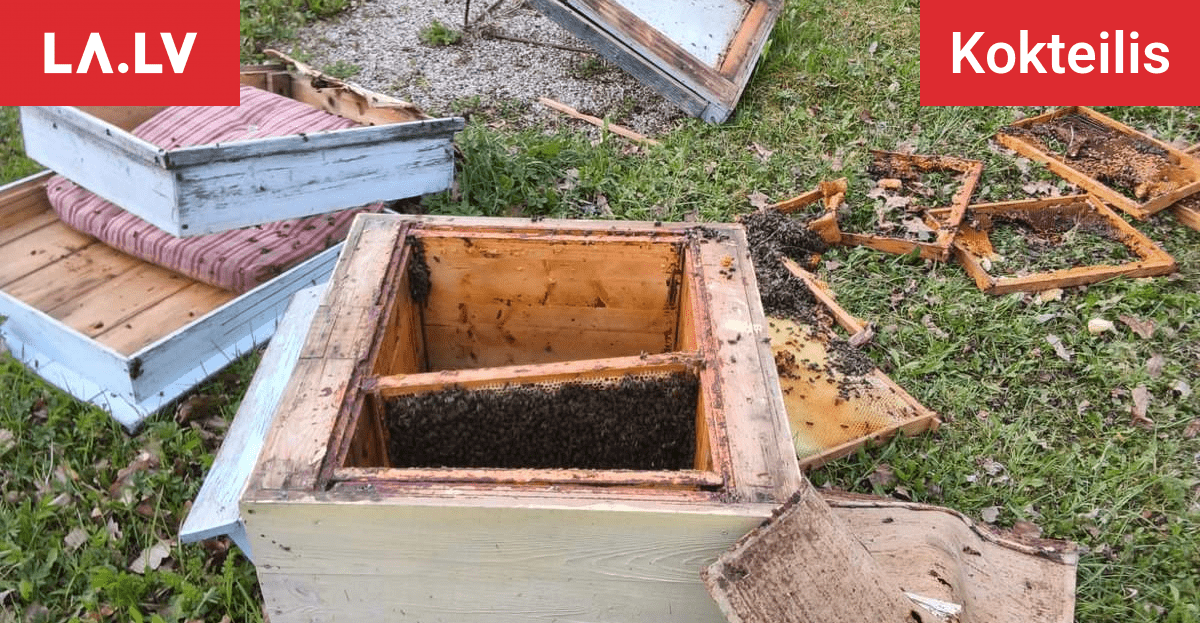
The tranquil rhythms of rural life in Latvia are often defined by a close relationship with nature, but for some, that proximity brings sudden and destructive challenges. In a recent incident that has drawn attention to the ongoing struggle between wildlife and agriculture, the country home of renowned Latvian writer Dace Rukšāne became the site of a powerful encounter with a brown bear.
The attack, which targeted Rukšāne’s apiary, resulted in significant damage to her beehives, leaving the writer to lament the swiftness with which the predator found its mark. The incident serves as a stark reminder of the persistent risks faced by beekeepers in the Baltic region, where the brown bear (Ursus arctos) is increasingly coming into conflict with human settlements in search of high-calorie food sources.
For Rukšāne, the visit was not a matter of if, but when. Reflecting on the event, she noted that it did not take long for the animal to locate the hives, highlighting the keen olfactory senses of the brown bear, which can detect honey and bee larvae from considerable distances. The destruction was not merely a loss of equipment but a disruption of the delicate ecosystem the writer had cultivated at her home in the Cēsis region.
The Anatomy of an Apiary Raid
Brown bears are opportunistic omnivores with a biological drive to accumulate fat reserves, particularly leading up to hibernation. Honey, along with the protein-rich bee brood, represents an incredibly efficient energy source. When a bear discovers an apiary, the result is often catastrophic for the beekeeper; bears do not simply steal honey, they typically dismantle the entire structure of the hive to reach the combs.
In the case of Dace Rukšāne’s property, the bear’s visit left a trail of wreckage. The physical strength of these animals allows them to tear through wooden hive bodies and lids with ease. For writers and residents in the Cēsis area, such events underscore the volatility of living on the edge of Latvia’s forested landscapes, where wildlife corridors often overlap with residential gardens and small-scale farms.
This specific incident is part of a broader pattern observed across northern and eastern Latvia. The attraction to apiaries is a well-documented behavior of the Brown Bear (Ursus arctos), which is listed as a species of least concern globally but requires careful management at the local level to prevent human-wildlife conflict.
Human-Wildlife Conflict in the Baltic Region
The intersection of expanding bear populations and traditional beekeeping has created a tension that Latvian authorities and rural residents must navigate. While the brown bear is a protected and iconic species, its propensity for “raiding” creates economic hardship for small-scale producers. The loss of a colony is not just the loss of honey, but the loss of the bees themselves, which are critical for local pollination.
Wildlife experts suggest that once a bear associates a specific location—such as a country home or a known apiary—with a food reward, it is highly likely to return. This “food conditioning” makes the animals more dangerous and more difficult to deter. For residents like Rukšāne, the challenge lies in balancing a love for the natural world with the practical necessity of protecting their livelihood and property.
Common deterrents used by beekeepers in Latvia include:
- Electric Fencing: The most effective method for keeping bears out of apiaries, though expensive and labor-intensive to install.
- Scent Deterrents: Using strong-smelling substances to mask the scent of honey, though these often have limited long-term efficacy.
- Secure Storage: Ensuring that honey stores and sugar syrups are kept in bear-proof containers away from the hives.
The Cultural Impact of Nature’s Intrusion
There is a poignant irony in a writer’s experience with such an event. Dace Rukšāne, known for her literary contributions, has found herself documenting a real-world struggle that mirrors the themes of nature’s indifference and power often found in Baltic literature. The phrase “it didn’t take long to wait” suggests a resignation to the laws of the wild—a recognition that in the forest’s proximity, humans are guests in a landscape governed by instinct.

The incident has sparked conversations among the Latvian beekeeping community regarding the need for better support systems for those who suffer losses due to protected wildlife. While some view these raids as a natural part of rural living, others argue for more robust compensation or state-funded assistance for implementing bear-proof infrastructure.
What Happens Next for Rural Beekeepers?
As the season progresses, the risk of bear raids typically fluctuates based on the availability of natural forest foods, such as berries and nuts. When natural sources are scarce, the pressure on human-managed apiaries increases. Beekeepers in the Cēsis region and beyond are encouraged to remain vigilant and report sightings to local wildlife management agencies to help track bear movements.

For those experiencing similar losses, the recommended course of action is to document the damage thoroughly and contact the State Forest Service or local agricultural representatives to determine if the incident qualifies for any existing wildlife damage relief programs.
The experience of Dace Rukšāne serves as a case study in the fragile coexistence between human creativity and wild instinct. While the hives may be rebuilt and the bees replaced, the memory of the bear’s visit remains a testament to the untamable nature of the Latvian wilderness.
We invite our readers to share their experiences with wildlife management in rural areas. How do you balance conservation with the protection of your property? Leave a comment below or share this article to join the conversation on human-wildlife coexistence.
Keep reading