
Diplomatic channels between Tokyo and Seoul are intensifying as Japanese Prime Minister Sanae Takaichi prepares to host a summit with South Korean President Lee Jae Myung. The meeting comes at a critical juncture for East Asian geopolitics, as both nations seek to solidify a stable and friendly partnership amidst escalating tensions between Japan and Beijing.
The upcoming summit is viewed by analysts as a strategic necessity. With the regional security landscape shifting, the coordination between Prime Minister Takaichi and President Lee is intended to ensure that the two democratic allies maintain a unified front. The drive for closer ties is particularly acute as Tokyo navigates increasingly strained relations with China, making the partnership with Seoul a cornerstone of Japan’s regional stability strategy.
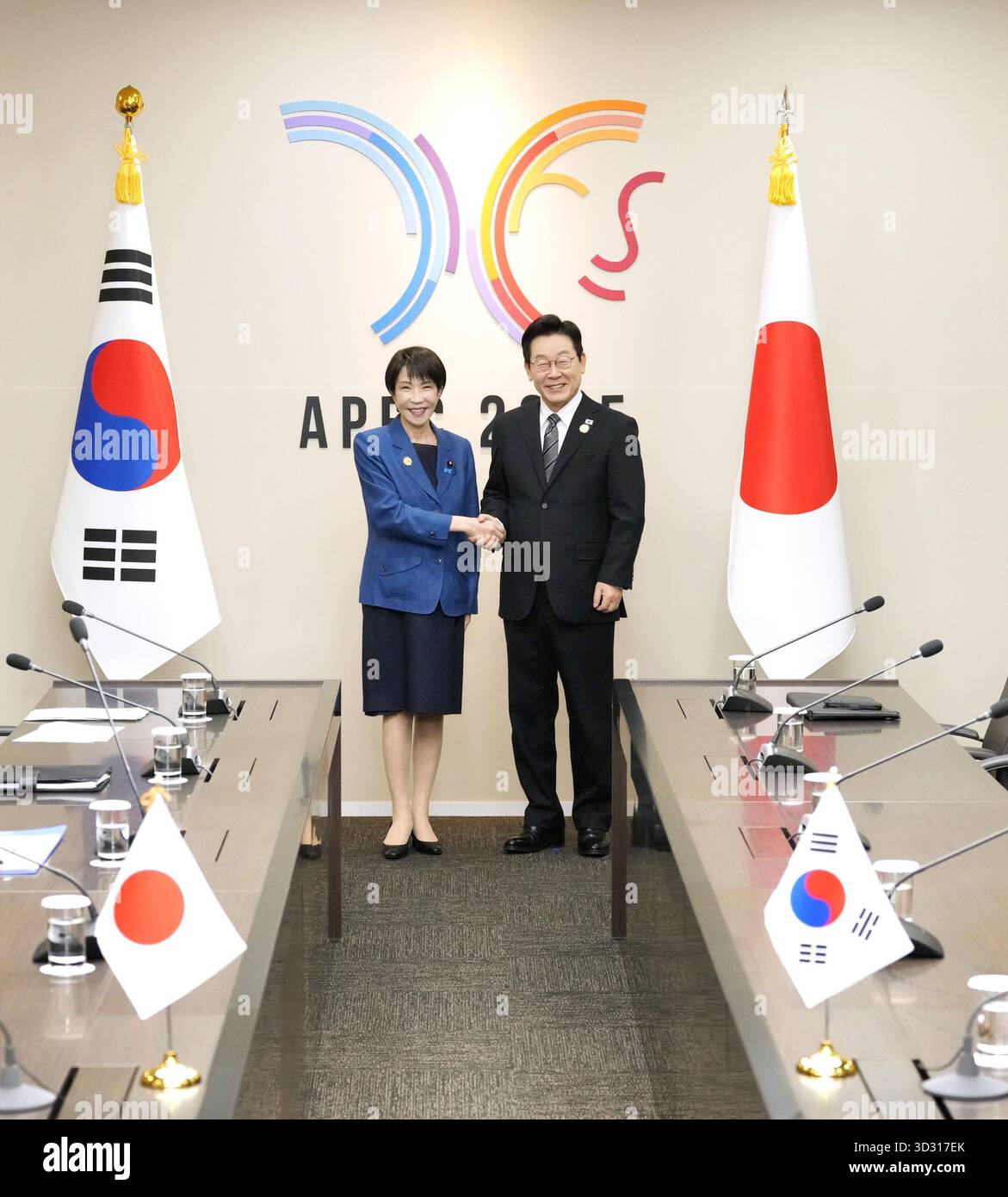
This diplomatic push follows a series of high-level interactions, including a meeting between the two leaders during the Asia-Pacific Economic Cooperation (APEC) Economic Leaders’ Meeting held in Gyeongju, South Korea, on November 1, 2025. That encounter set the stage for the current coordination, signaling a mutual desire to move past historical grievances in favor of contemporary security and economic cooperation.
Strategic Imperatives and the Beijing Factor
The primary catalyst for the current rapprochement is the deteriorating relationship between Japan and China. As Tokyo faces growing tension with Beijing, the need for a reliable security partner in the region has become paramount. By strengthening ties with President Lee’s administration, Prime Minister Takaichi aims to create a more resilient diplomatic bloc capable of managing the complexities of East Asian power dynamics.
The summit is expected to focus on ensuring “stable and friendly ties,” a phrase that underscores the fragility of the relationship. While the leadership in both Tokyo and Seoul may be aligned on the need for cooperation, the underlying geopolitical pressures from China continue to influence the pace and nature of their bilateral agreements.
Navigating Public Sentiment and Historical Friction
Despite the strategic alignment at the executive level, the path to a seamless partnership remains obstructed by deep-seated public sentiment in South Korea. Diplomatic efforts are frequently complicated by unresolved historical disputes and territorial claims that continue to resonate with the Korean public.
Recent demonstrations highlight the volatility of this sentiment. On January 12, 2026, protesters gathered in Seoul to voice their opposition to increased military cooperation with Japan. These rallies focused on several key points of contention, including demands for an apology for war crimes and assertions regarding the sovereignty of Dokdo. Protesters specifically targeted Prime Minister Takaichi, calling for a denunciation of her comments regarding the disputed territory.
These protests illustrate the “dual-track” challenge facing President Lee and Prime Minister Takaichi: while they coordinate on high-level security and economic policies to counter regional threats, they must simultaneously manage domestic pressures that view such cooperation with skepticism.
Timeline of Recent Diplomatic Engagements
The current trajectory of Japan-South Korea relations can be traced through several key milestones over the past several months, reflecting a transition from cautious engagement to active coordination.
| Date | Event | Context/Outcome |
|---|---|---|
| November 1, 2025 | APEC Economic Leaders’ Meeting | President Lee and PM Takaichi met in Gyeongju, South Korea. |
| January 12, 2026 | Seoul Public Protests | Rallies held against military cooperation and over Dokdo disputes. |
| May 2026 | Upcoming Summit | PM Takaichi to host President Lee to bolster ties amid Beijing tensions. |
What Which means for Regional Stability
The success of the upcoming summit will likely be measured by the ability of both leaders to translate executive agreements into sustainable policy. For Japan, a successful summit provides a diplomatic buffer against China. For South Korea, it offers a means of balancing its complex relationship with its largest trading partner, China, while maintaining a strong security alliance with a key democratic neighbor.
However, the recurring theme of military cooperation remains a flashpoint. The tension between the strategic need for a joint security apparatus and the public’s demand for historical accountability creates a precarious environment for any long-term treaty or agreement.
Looking Ahead
The international community will be watching closely to see if the summit results in concrete agreements or remains a symbolic gesture of friendship. The primary objective remains the preservation of regional peace and the mitigation of risks associated with the worsening relations between Tokyo and Beijing.
The next confirmed checkpoint for this diplomatic track is the summit hosted by Prime Minister Takaichi, which is scheduled to take place this coming Tuesday, as reported by AP News.
We invite our readers to share their perspectives on the evolving dynamics of East Asian diplomacy in the comments section below.
Keep reading