For many of us, the definition of “strength” is often tied to the numbers on a barbell or the amount of weight we can push through a machine. However, as we cross the threshold of 50, the metrics for physical vitality undergo a fundamental shift. In the realm of geriatric health and internal medicine, we move away from peak power and toward functional capacity—the ability to maintain independence, navigate the environment safely, and resist injury.
Maintaining leg strength after 50 is not merely about aesthetics or athletic performance; It’s a critical predictor of long-term mobility and quality of life. The loss of lean muscle mass, known medically as sarcopenia, often accelerates during this stage of life, leading to decreased balance and an increased risk of falls. To combat this, health professionals are increasingly looking toward functional benchmarks that test multiple systems—muscular endurance, joint stability, and core coordination—simultaneously.
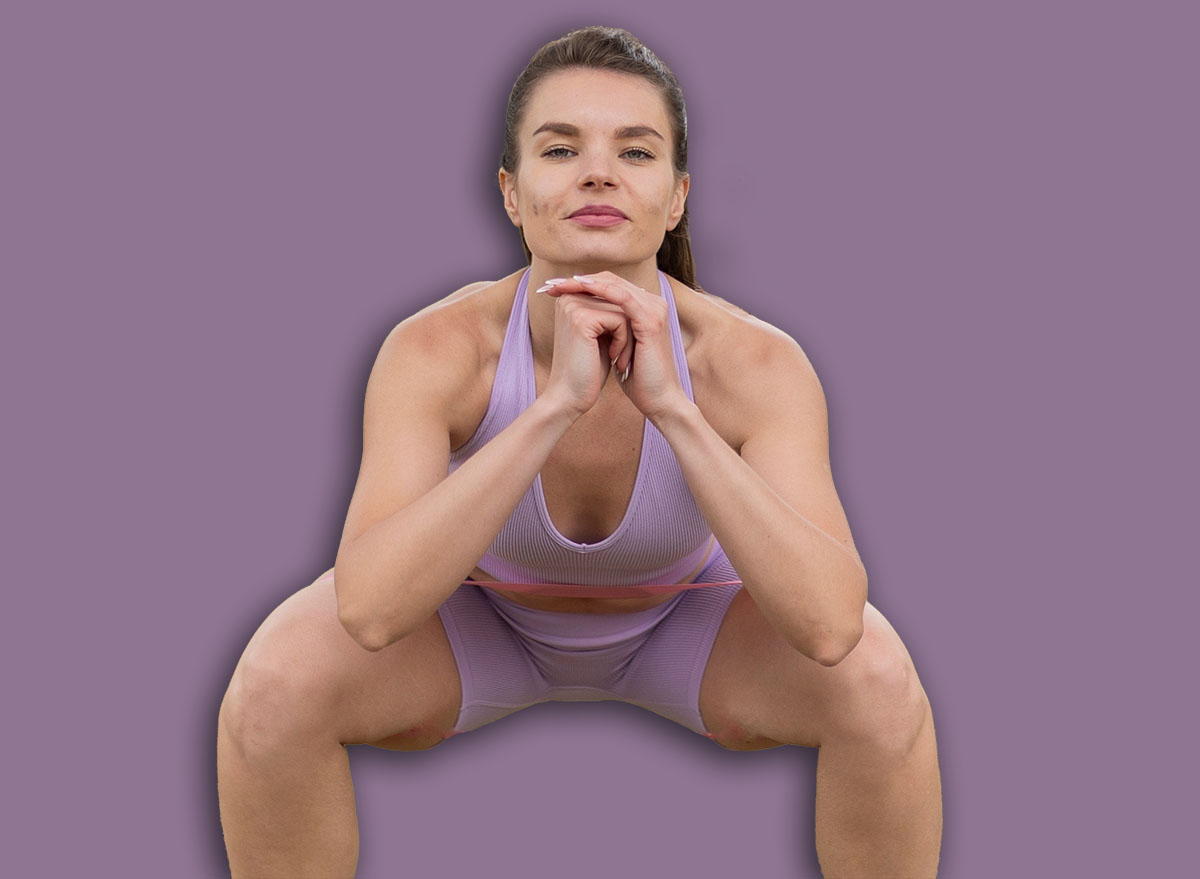
One such benchmark is the squat hold. Unlike a traditional squat, which focuses on the repetition of movement, the squat hold is an isometric challenge. It requires the muscles to remain under tension without changing length, providing a clear window into the current state of an individual’s lower-body resilience. According to fitness benchmarks, the ability to maintain a controlled squat hold for a specific duration can indicate that an individual’s leg strength is stronger than 90% of their peers in the over-50 demographic.
As a physician and health journalist, I have seen how these simple, non-invasive tests can empower patients to take ownership of their aging process. By shifting the focus from “how much can I lift” to “how long can I stabilize,” we prioritize the very attributes—balance and stability—that prevent the most common age-related injuries.
The Science of the Isometric Hold and Joint Stability
The effectiveness of the squat hold lies in its isometric nature. Isometric exercises occur when a muscle contracts but does not change length, and the joint does not move. This type of tension is particularly beneficial for older adults because it builds strength in a way that is often more manageable for aging joints than heavy, repetitive loading.
Research published in The Scandinavian Journal of Medicine & Science in Sports indicates that isometric exercises can effectively improve both muscular endurance and joint stability. These physiological adaptations are essential for older adults, as they directly contribute to improved balance and a reduced risk of falls—one of the leading causes of hospitalization in the elderly.
When you perform a squat hold, you are not just engaging the quadriceps. You are activating a complex chain of muscles, including the glutes, the core, and the stabilizing muscles around the hips, knees, and ankles. This holistic engagement challenges the body’s proprioception—its ability to sense its position in space—which is often the first thing to decline as we age.
“If someone over 50 can hold a squat for an extended period, it’s a strong indicator of both muscular endurance and joint stability, which often decline with age,” explains James Brady, CPT, a certified personal trainer at OriGym. From a professional coaching perspective, Brady suggests that a solid benchmark for those over 50 is the ability to hold a controlled squat for 30 to 60 seconds. Reaching or exceeding this mark suggests well-developed strength in the stabilizing muscles and healthy mobility in the ankles, and hips.
Testing Your Strength: The Bodyweight Squat Hold
The bodyweight squat hold serves as both the diagnostic test and a primary training tool. It evaluates the ability to maintain tension through the lower body and core while preserving proper spinal alignment. For those looking to see where they stand compared to their peers, What we have is the gold standard for functional lower-body endurance.
To perform the test accurately and safely, follow these steps:
- Setup: Stand with your feet shoulder-width apart, toes pointed slightly outward to allow for natural hip rotation.
- Engagement: Tighten your core muscles and keep your chest upright to protect the lumbar spine.
- The Descent: Lower your hips back and down, as if sitting into an invisible chair. Aim to bring your thighs parallel to the floor, or as close as your current mobility comfortably allows.
- Weight Distribution: Ensure your weight is evenly distributed through your heels and the midfoot; avoid leaning too far forward onto your toes.
- The Hold: Maintain the position while breathing steadily through your nose. This helps regulate internal pressure and prevents the Valsalva maneuver (holding your breath), which can spike blood pressure.
- Alignment Check: Be mindful that your knees do not collapse inward (valgus stress). They should track in line with your toes.
The goal is to hold this position for 30 to 60 seconds. For training purposes, Brady recommends resting for one to two minutes between sets and repeating the hold for two to three sets.
Progressive Movements to Improve Your Hold
Not everyone can jump straight into a 60-second free-standing squat. The key to improving leg strength after 50 is progressive overload—gradually increasing the demand on the muscles without compromising joint integrity. Below are five movements designed to build the requisite strength, stability, and endurance.
1. The Wall Sit (Isometric Progression)
The wall sit is an excellent entry point for those who struggle with balance during a free squat. By using the wall for support, you can isolate the quadriceps and build the endurance needed for the free-standing version.
How to do it: Stand with your back flat against a wall and step your feet forward approximately two feet. Slide down the wall until your knees are bent at roughly 90 degrees, ensuring your knees remain aligned over your ankles. Press your lower back into the wall, engage your core, and keep your shoulders relaxed. Hold for 30 to 60 seconds without placing your hands on your legs. Breathe steadily through your nose.
2. Supported Squat Hold (Balance Assistance)
If the free-standing squat is too challenging due to balance issues, a supported variation allows you to focus on depth and form without the fear of falling.
How to do it: Stand facing a sturdy object, such as a kitchen countertop or a heavy chair. Hold onto the support with both hands. Lower into a squat position, keeping your chest tall and core engaged. Use the support only for balance, not to pull yourself up or support your body weight. Maintain proper knee alignment and hold for 20 to 45 seconds. Repeat for two to three sets.
3. Step-Back Squats (Dynamic Stability)
While holds are isometric, incorporating dynamic movements helps improve coordination and the ability to stabilize the body during motion.
How to do it: Stand tall with feet hip-width apart. Step one foot slightly backward and lower into a partial squat. Ensure the front knee stays aligned over the ankle. Push through the front foot to return to a standing position, then switch sides. Perform two to three sets of 10 to 12 repetitions per leg.
4. Single-Leg Sit-to-Stand (Unilateral Strength)
Unilateral strength—the ability to support your weight on one leg—is a vital component of functional independence. This exercise is a strong indicator of coordination and the ability to recover from a stumble.
How to do it: Sit on a sturdy chair with one foot flat on the floor and the opposite leg extended slightly forward. Lean forward from the hips, engage the core, and press through the standing foot to rise to a full stand. Slowly lower yourself back into the chair with control. Complete two to three sets of 6 to 10 repetitions per leg.
5. The Bodyweight Squat Hold (The Final Benchmark)
Once the supporting exercises have built a foundation of strength, return to the free-standing squat hold to measure your progress. As noted, hitting the 30-to-60-second mark places you in a high percentile of leg strength for your age group.
Why This Matters: The Link Between Leg Strength and Longevity
From a clinical perspective, the ability to perform these movements is closely linked to what we call “functional age.” A person may be 65 chronologically, but if they possess the leg strength and joint stability of a 45-year-old, their risk profile for disability is significantly lower. Lower-body strength is the engine that powers almost every daily activity, from climbing stairs to getting out of a car or standing up from a sofa.
When we lose the ability to squat or stabilize, we lose more than just muscle; we lose autonomy. The decline in quad and glute strength often leads to a compensatory shift in gait, which puts undue stress on the lower back and hips, creating a cycle of pain and further inactivity. By implementing isometric holds and unilateral exercises, we break this cycle.
the focus on nasal breathing during these holds is not incidental. Proper breathing patterns during exertion help maintain a stable core and prevent unnecessary spikes in blood pressure, which is a critical consideration for patients managing hypertension in their 50s and beyond.
Key Takeaways for Maintaining Leg Strength After 50
- Shift Your Focus: Prioritize muscular endurance and joint stability over maximum weight lifting.
- The Benchmark: A 30-to-60-second controlled squat hold is a strong indicator of elite leg strength for the over-50 demographic.
- Embrace Isometrics: Use holds (like wall sits) to build endurance and stability with lower joint impact.
- Prioritize Balance: Incorporate unilateral movements, such as single-leg sit-to-stands, to reduce fall risk.
- Consistency Over Intensity: Focus on proper form, steady nasal breathing, and gradual progression.
As we look toward the future of healthy aging, the emphasis will continue to move toward “pre-habilitation”—strengthening the body to prevent the need for rehabilitation. Testing your squat hold today is a simple way to establish a baseline for your functional health.
For those starting a new exercise regimen, I recommend consulting with a primary care physician to ensure these movements are appropriate for your specific joint health and cardiovascular status. Once cleared, the path to maintaining independence is paved with consistent, mindful movement.
We invite you to share your experiences with these benchmarks in the comments below. Have you tried the squat hold test? What are your goals for mobility this year?