
The delivery of a new, state-of-the-art wastewater treatment plant in Agrigento, Sicily, marks a pivotal turning point for public health and environmental sustainability in one of Italy’s most historically challenged regions. The facility has been officially handed over to the Azienda Idrica Caltanissetta Agrigento (AICA), the regional water authority, signaling the start of a modernized era for sewage management in the province.
For decades, Agrigento and much of the Sicilian coast have struggled with inadequate sanitation infrastructure, leading to chronic issues with untreated wastewater discharging into the Mediterranean and local groundwater. This infrastructure failure was not merely a logistical hurdle but a significant public health risk, exposing local populations and tourists to environmental contaminants and leaving the region vulnerable to stringent European Union penalties.
As a physician and health journalist, I view the operationalization of this plant as more than a civil engineering achievement; it is a critical intervention in preventative medicine. Proper wastewater treatment is the first line of defense against waterborne pathogens and the degradation of the ecosystem that supports the region’s agriculture and tourism. By ensuring that effluent is treated before it reaches the environment, Agrigento is effectively reducing the biological load of pollutants that can trigger outbreaks of gastrointestinal illnesses and other infectious diseases.
The handover to AICA is expected to streamline the management of the city’s sewage system, moving away from fragmented, temporary solutions toward a centralized, efficient system capable of meeting modern health and safety standards. This development arrives at a time when Italy is under increasing pressure to align its southern infrastructure with the rigorous mandates of the European Union’s environmental directives.
Ending a Legacy of Environmental Infringement
The necessity of the Agrigento plant is rooted in a long history of non-compliance with the Urban Waste Water Treatment Directive (91/271/EEC). This EU mandate requires member states to collect and treat urban wastewater to protect the environment from the adverse effects of pollution. For years, the failure to implement these standards in Sicily resulted in “infringement procedures” by the European Commission, which can lead to substantial daily fines for the Italian state.
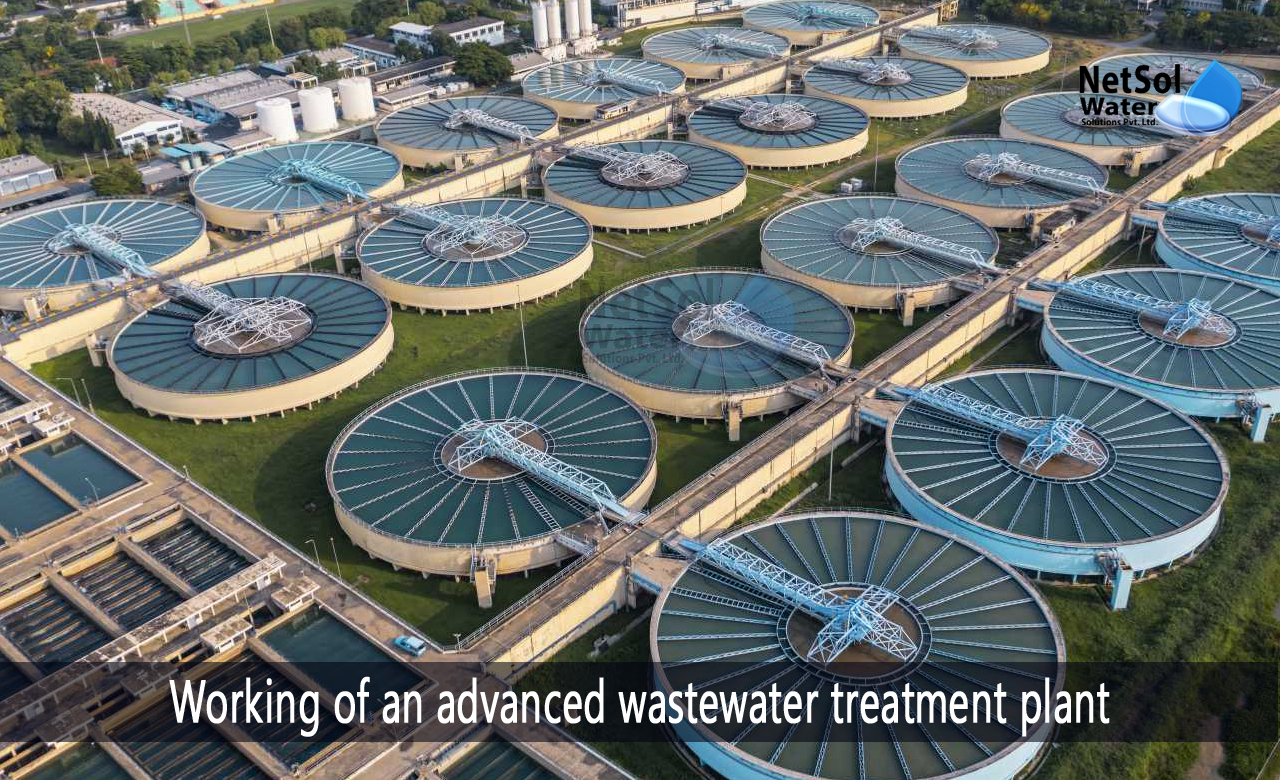
The lack of a functioning treatment plant meant that significant volumes of raw or partially treated sewage entered the sea. This not only damaged the marine biodiversity of the Mediterranean but also compromised the quality of beaches, which are central to the local economy. From a clinical perspective, the discharge of untreated waste increases the concentration of nitrates and phosphates in the water, fueling harmful algal blooms that can produce toxins affecting both marine life and human health via seafood consumption.
By transitioning to the new facility, Agrigento is addressing the root cause of these failures. The new plant is designed to employ advanced filtration and biological treatment processes that remove organic matter and harmful bacteria, ensuring that the treated water returned to the environment meets the safety thresholds required by both national and international law.
The Public Health Imperative: Why Infrastructure is Medicine
In the field of internal medicine and public health, we often discuss the “social determinants of health.” Sanitation is one of the most fundamental of these determinants. When wastewater systems fail, the risk of environmental contamination rises exponentially. Untreated sewage can carry a variety of enteric pathogens, including Escherichia coli, Salmonella and various noroviruses, which can infiltrate the water table or contaminate coastal waters.
The health implications are particularly acute for vulnerable populations, including children, the elderly, and immunocompromised individuals. For those living in proximity to outdated sewage outlets, the risk of skin infections and respiratory issues associated with aerosolized pollutants is a constant concern. The contamination of agricultural soil with untreated wastewater can introduce heavy metals and pathogens into the food chain, creating a systemic health risk that extends far beyond the coastline.
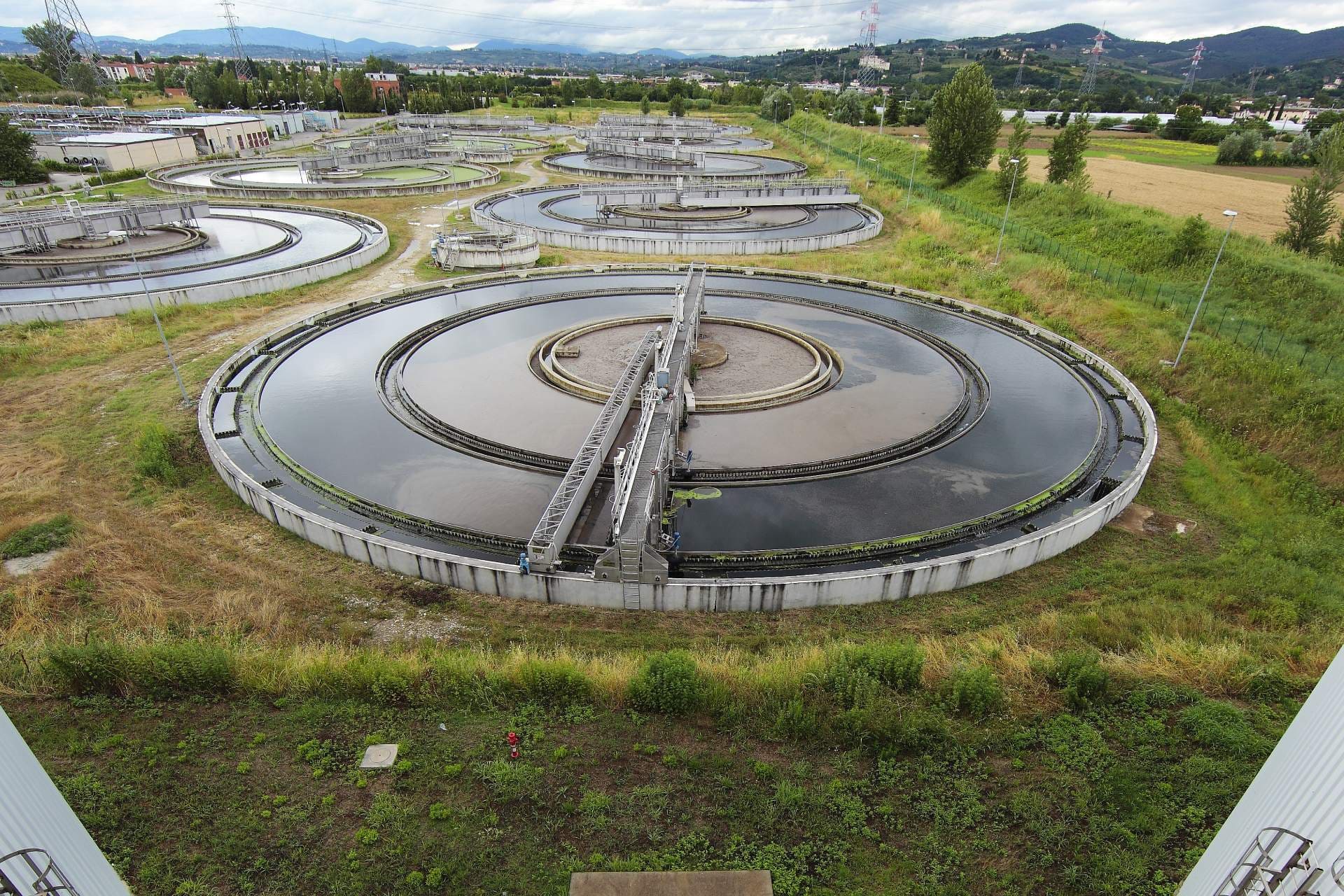
The new Agrigento plant mitigates these risks through several key mechanisms:
- Pathogen Reduction: Through secondary and tertiary treatment phases, the plant significantly reduces the bacterial and viral load of the effluent.
- Nutrient Management: By removing excess nitrogen and phosphorus, the facility prevents eutrophication, which maintains the oxygen levels in the sea and prevents the growth of toxic cyanobacteria.
- Groundwater Protection: Modernized piping and treatment prevent the seepage of raw sewage into the aquifers that provide drinking water to the surrounding rural communities.
AICA and the Path Toward Regional Water Security
The role of AICA (Azienda Idrica Caltanissetta Agrigento) in this transition is central. As the entity now responsible for the plant’s operation, AICA must navigate the transition from construction to full-scale operational management. This involves not only the technical upkeep of the machinery but also the rigorous monitoring of effluent quality to ensure that the plant continues to operate within the legal parameters set by the Italian Ministry of the Environment and Energy Security.
The delivery of this facility is part of a broader strategic effort to modernize water management across Sicily. The region has historically suffered from “water stress,” where the combination of aging infrastructure and climate-driven droughts has made water security a pressing issue. A functioning wastewater plant allows for the potential of “water reclamation,” where treated effluent can be safely reused for agricultural irrigation, thereby reducing the pressure on the region’s dwindling freshwater reserves.
This shift toward a circular water economy is essential for Sicily’s long-term resilience. By treating wastewater as a resource rather than a waste product, the region can protect its natural landscapes while supporting its agricultural sector, which is a cornerstone of the Sicilian economy.
What This Means for the Local Community
For the residents of Agrigento, the impact of the new treatment plant will be felt in several immediate and long-term ways. In the short term, there should be a noticeable reduction in the odors and environmental degradation associated with old, leaking sewage lines and open discharge points. In the long term, the restoration of water quality will enhance the safety of local recreational waters, reducing the likelihood of health advisories or beach closures during the peak summer months.
the removal of the threat of EU fines allows regional government funds to be redirected from penalty payments toward further infrastructure improvements and public health initiatives. When a city is no longer fighting legal battles over sanitation, it can invest in the “last mile” of infrastructure—the smaller pipes and local connections that ensure every household is properly linked to the treatment system.
Key Takeaways for Public Health and Environment
- Regulatory Compliance: The plant brings Agrigento closer to meeting the EU Urban Waste Water Treatment Directive, reducing the risk of legal penalties.
- Pathogen Control: Advanced treatment processes will lower the presence of waterborne bacteria and viruses in the local environment.
- Ecosystem Recovery: Reducing nutrient runoff helps prevent toxic algal blooms and protects Mediterranean marine life.
- Resource Sustainability: The facility opens the door for treated wastewater reuse in agriculture, addressing regional water scarcity.
Next Steps and Monitoring
The delivery of the plant is a milestone, but the true measure of success will be its operational performance over the coming months. The next critical checkpoint will be the publication of the first full quarter of effluent quality reports by AICA and the regional environmental agencies. These reports will verify whether the plant is meeting the specific biological and chemical oxygen demand (BOD/COD) targets required for safe discharge.
the community will be looking for the completion of any remaining connecting networks to ensure that all urban runoff is successfully routed to the new facility, leaving no “blind spots” in the city’s sanitation map.
We invite our readers to share their thoughts on the intersection of infrastructure and public health in the comments below. How has your community handled the transition to modern sanitation?
Keep reading