
In the world of high-performance cycling, the quest for a competitive edge often leads to a cycle of “breakthrough” technologies. From the introduction of carbon fiber frames to the shift toward tubeless tire systems, riders and manufacturers are perpetually searching for the perfect balance of speed, comfort, and safety. The latest frontier in this pursuit is the emergence of radial bicycle tires, a construction method that promises to redefine how a bike interacts with the ground.
For decades, the bicycle industry has relied on a standardized approach to tire casing, largely ignoring the radial technology that has dominated the automotive world since the mid-20th century. However, a new wave of tires is hitting the market, claiming to offer superior grip and ride quality by altering the internal architecture of the tire. While the marketing promises are alluring, a technical debate is simmering beneath the surface regarding what actually constitutes a “radial” tire in the context of a bicycle.
The core of the issue lies in the physics of the contact patch—the modest area where the rubber actually meets the road or trail. By changing how the casing responds to pressure and load, manufacturers claim they can increase this patch, providing more stability in corners and a smoother experience over rough terrain. But as these products enter the mainstream, the industry is grappling with a lack of standardized terminology, leaving consumers to wonder if they are buying a genuine engineering revolution or a clever rebranding of existing techniques.
The Engineering Divide: Bias-Ply vs. Radial Construction
To understand the significance of radial bicycle tires, one must first understand the traditional bias-ply construction that has served as the industry standard for over a century. In a bias-ply tire, the casing cords run diagonally from one bead to the other, crisscrossing in a layered fashion. This construction creates a stiff, stable sidewall that is highly resistant to punctures and capable of supporting the weight of a rider and their gear with minimal material.
Bias-ply tires are efficient for the relatively low loads and speeds associated with cycling. However, the diagonal nature of the cords means that when the tire flexes—such as when hitting a bump or leaning into a turn—the sidewall and the tread move together. This coupled movement can lead to a stiffer ride and a contact patch that shifts more abruptly, which can occasionally compromise grip on uneven surfaces.
Radial construction takes a fundamentally different approach. In a true radial tire, the primary casing cords run at a 90-degree angle to the direction of travel, extending straight across the tire from bead to bead. This allows the sidewall to flex independently of the tread. When a radial tire encounters an obstacle, the sidewall can absorb the impact more effectively without distorting the shape of the tread, theoretically maintaining a more consistent and larger contact patch with the ground.
In the automotive industry, this independence is critical for safety, and longevity. Because cars carry thousands of pounds, a radial design prevents the tread from “squirming” under load, which reduces heat buildup and wear. For a cyclist, the goal is different: it is about maximizing the mechanical grip of the rubber and reducing the “chatter” felt through the handlebars.
The Promise of Increased Grip and Comfort
The primary appeal of radial-style construction in cycling is the promise of “more grip.” In technical terms, this refers to the tire’s ability to conform to the micro-textures of the terrain. When a tire is more flexible in the right places, it can wrap around small stones or imperfections in the pavement rather than bouncing over them. This increases the surface area of the rubber in contact with the ground, which directly translates to higher traction during braking and cornering.
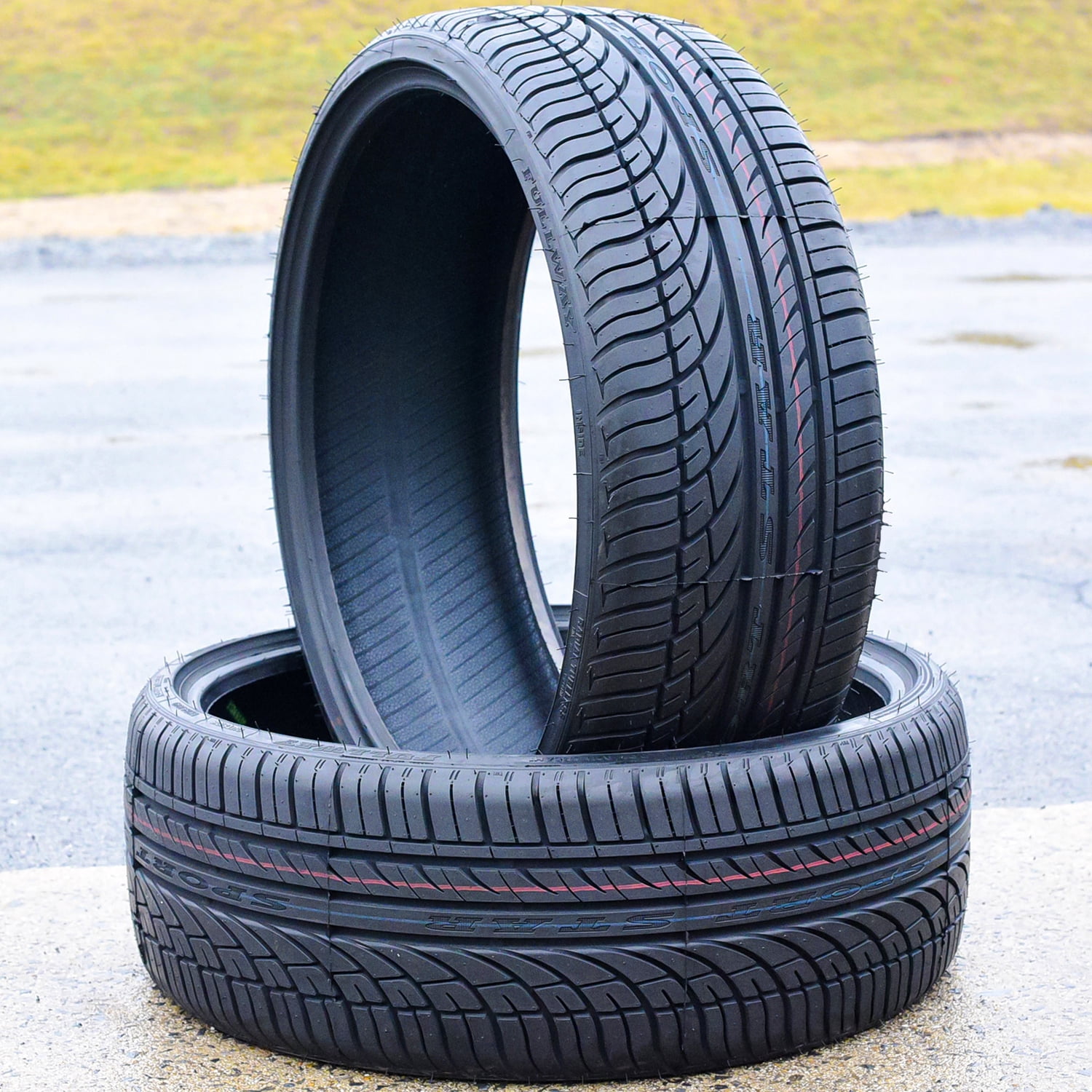
Comfort is the second major selling point. Because the radial casing allows for more vertical deformation—meaning the tire can compress more easily under a vertical load—it acts as a secondary suspension system. For gravel and mountain bike riders, So less vibration transmitted to the wrists and shoulders, potentially reducing fatigue during long-distance endurance events.
some proponents argue that this construction can lead to lower rolling resistance in specific conditions. While a stiffer bias-ply tire might be faster on a perfectly smooth velodrome, a more compliant radial-style tire may be faster on real-world roads by absorbing “impedance” (the energy lost when a bike is bounced upward by road roughness). By keeping the bike moving forward rather than upward, the rider preserves more kinetic energy.
The Definition Debate: What Exactly Is a “Radial” Tire?
Despite the excitement, there is a significant “catch” regarding the terminology. In traditional tire engineering, a radial casing is inherently unstable because the 90-degree cords want to pull the tire inward, which would cause the tread to balloon or distort under pressure. To fix this, automotive radial tires use a “cap belt”—a layer of high-strength material (often steel or aramid) that wraps around the crown of the tire to stabilize the tread.
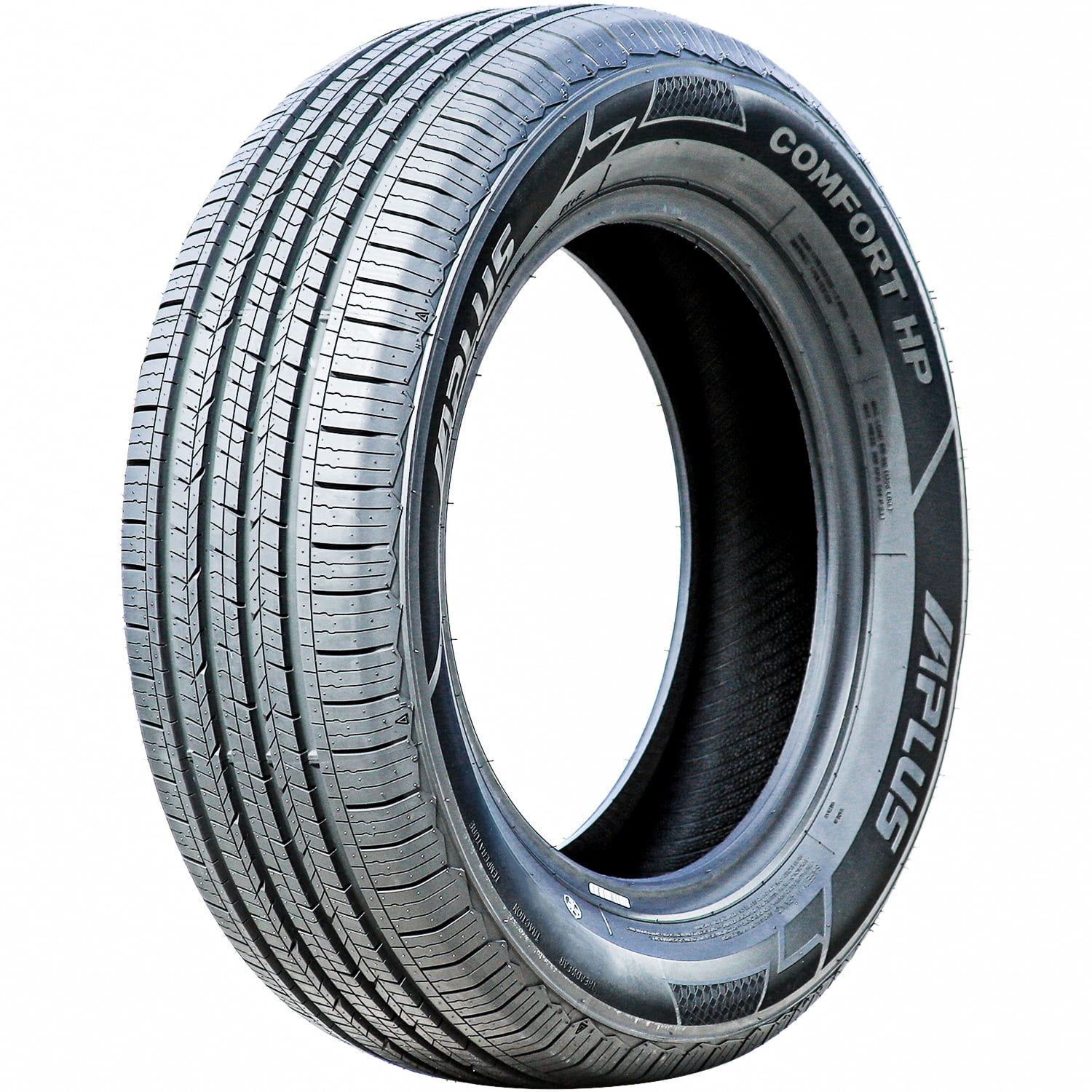
The controversy in the cycling world is that many tires currently marketed as “radial” lack this essential cap belt. Without a stabilizing belt, a tire with 90-degree plies is not a true radial in the textbook sense; it is simply a tire with a more open ply angle. Some manufacturers are pushing the boundaries of bias-ply construction to mimic the feel of a radial without adopting the full, complex architecture of a true radial tire.
This distinction matters because the behavior of a “radial-inspired” tire differs from a true radial. A tire with an open ply angle may offer more comfort, but it may also lack the lateral stability required for aggressive high-speed cornering. If the tread is not stabilized by a belt, it can shift or “roll” more easily under extreme side-loads, which could be counterproductive for competitive racers.
This lack of industry consensus has created a fragmented market. Some brands use “radial” as a descriptive term for the *feel* of the ride, while others use it to describe the *geometry* of the cords. For the consumer, this means that the word “radial” on a tire box is not currently a guaranteed technical specification, but rather a marketing claim that requires further verification.
Practical Impact: Does It Actually Make the Ride Better?
Whether these tires actually improve the ride depends largely on the discipline of the cyclist and the terrain they frequent. For the average commuter or casual road cyclist, the difference between a high-end bias-ply tire and a radial-style tire may be negligible. However, for specific use cases, the advantages become more apparent.
Mountain Biking (MTB) and Enduro
In off-road cycling, grip is the highest priority. A tire that can conform to a jagged rock or a wet root can be the difference between staying on the trail and a crash. Radial-style construction is particularly promising here, as the increased deformation allows the knobs to bite deeper into the soil. The added comfort also helps riders maintain control when descending through “rock gardens” where high-frequency vibrations can lead to arm pump.
Gravel and Adventure Cycling
Gravel riding is where the balance of comfort and efficiency is most critical. Riders often spend hours on washboard roads that can be physically draining. A tire that absorbs these vibrations while maintaining a large contact patch for stability on loose surfaces is highly desirable. For these riders, the “radial” promise of a calmer ride is a significant draw.
Road Racing
In professional road racing, where every watt counts, the conversation shifts toward rolling resistance and weight. A true radial construction with a cap belt adds weight, which is generally avoided in climbing-heavy races. However, if radial technology can prove a reduction in rolling resistance on imperfect asphalt, it may eventually find its way into the pro peloton.

Quick Comparison: Tire Construction Types
| Feature | Bias-Ply (Standard) | Radial-Inspired | True Radial (with Belt) |
|---|---|---|---|
| Cord Angle | Diagonal/Criss-cross | Open/Near 90° | 90° to travel |
| Sidewall Flex | Moderate to Low | High | Very High |
| Tread Stability | High | Moderate | Very High |
| Ride Feel | Firm/Predictable | Plush/Compliant | Stable/Absorbent |
| Common Use | General Cycling | Modern MTB/Gravel | Automotive (Rare in Bikes) |
What This Means for the Future of Cycling Gear
The emergence of radial-style tires indicates a broader shift in the industry toward “system-based” thinking. Rather than focusing solely on the rubber compound or the tread pattern, engineers are now looking at the entire structure of the tire as a tuning tool. By manipulating the ply angle and casing tension, brands can create tires tailored for specific types of terrain—stiffer for sprints, more compliant for endurance.
As the technology matures, we can expect to see more transparency regarding construction. The industry may eventually adopt a standardized classification system to distinguish between “true radials” and “open-ply” casings, similar to how tire ratings (such as TPI or Threads Per Inch) are used today. This would allow riders to make informed decisions based on their specific needs rather than relying on marketing buzzwords.
For now, riders interested in trying radial-style tires should focus on their specific goals. If the priority is maximum comfort and a “plush” feel on rough trails, these new casings are likely a worthwhile investment. If the priority is absolute lateral stiffness and minimum weight for high-speed road racing, the traditional bias-ply may still be the superior choice.
The “catch” regarding the definition of radial tires is a reminder that in the world of sports technology, innovation often moves faster than the language used to describe it. While the terminology remains unsettled, the actual performance gains in grip and comfort are real, marking a significant evolution in how we approach the most critical point of contact between the athlete and the earth.
The next major development in this space will likely be the release of independent, third-party laboratory tests comparing the rolling resistance and lateral deflection of true radials versus radial-inspired casings. Such data will be essential for riders who want to move beyond marketing claims and understand the actual physics of their equipment.
Do you think radial construction is the future of cycling, or is it just another marketing trend? Share your experiences with different tire casings in the comments below.
Keep reading