The United States automotive sector is facing a moment of profound uncertainty as industry leaders warn that proposed trade policies could destabilize one of the nation’s most critical manufacturing bases. At the center of the concern are proposed across-the-board tariffs that threaten to disrupt the deeply integrated supply chains connecting the U.S., Mexico and Canada.
Jim Farley, the CEO of Ford Motor Company, has issued a stark warning regarding the potential for 25 percent trade tariffs on imports from Mexico and Canada. Speaking at a conference in New York, Farley suggested that such measures would not merely be a hurdle but could “blow a hole” in the U.S. Auto manufacturing industry, creating a level of disruption previously unseen in the sector.
The proposed tariffs would target a wide array of imports, including essential raw materials like steel and aluminum. Because Canada serves as the largest source of imported steel for the United States, the industry is particularly vulnerable to price shocks. Experts and executives warn that the costs incurred by importers would likely trickle down to the public, significantly increasing American consumer prices and reducing the competitiveness of domestic vehicles.
This tension highlights a growing divide between the administration’s goal of bringing production back to U.S. Soil and the operational realities of a globalized automotive supply chain. While the objective of strengthening domestic innovation is shared, industry leaders argue that the current proposed methods could inadvertently handicap American companies while benefiting foreign rivals.
The Risk of a Competitive Imbalance
A primary concern for U.S. Automakers is that targeted tariffs on North American neighbors would create an uneven playing field. According to Jim Farley, a 25 percent tariff on Mexican and Canadian borders would effectively grant “free rein” to automotive companies from South Korea, Japan, and Europe.
These international competitors currently bring between 1.5 million to 2 million vehicles into the U.S. Market. Because these imports would not be subject to the specific Mexican and Canadian tariffs, Farley warned that the policy could result in one of the largest “windfalls” for those foreign companies in history, allowing them to capture market share while U.S. Manufacturers struggle with higher input costs.
Beyond the corporate balance sheets, there is a significant human cost. The automotive industry is a cornerstone of employment in several key regions, and Farley warned that the implementation of these tariffs could trigger major job losses, particularly in states that have historically supported the current administration.
Electric Vehicles and the ‘Global Street Fight’
The warnings come at a time when the global automotive landscape is undergoing its most significant transformation in decades. The shift toward electric vehicles (EVs) has sparked what Farley describes as a “global street fight,” characterized by rapid innovation and the aggressive expansion of Chinese automakers into international markets.
In this high-stakes environment, industry leaders argue that internal disruption via tariffs could leave U.S. Companies vulnerable. The transition to EV production requires stability and massive investment, both of which are threatened by volatile trade policies.
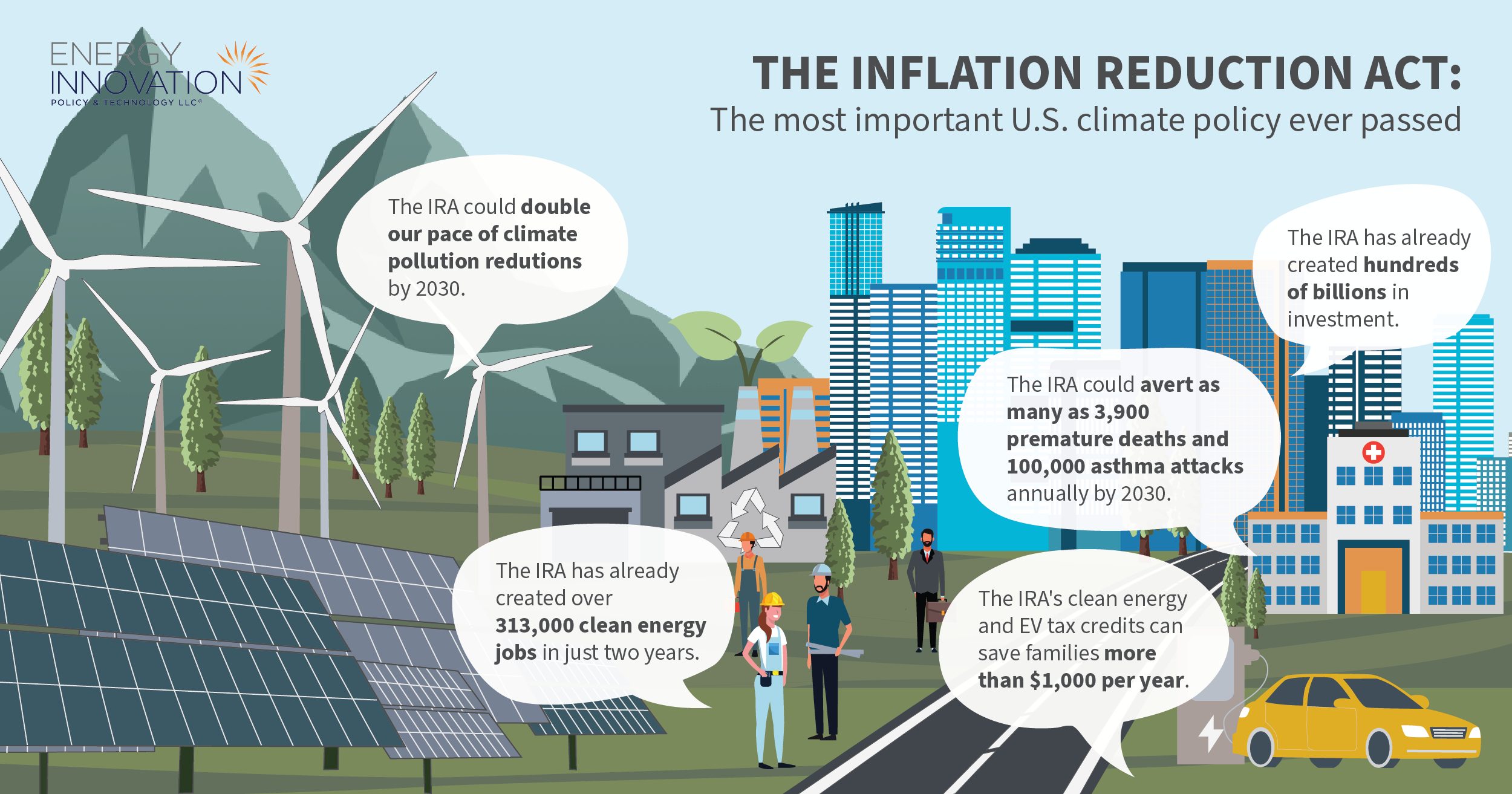
Adding to this instability is the potential rollback of the Inflation Reduction Act (IRA). The IRA has been a pillar of the U.S. Strategy to incentivize the transition to green energy, providing a federal tax credit of up to $7,500 to consumers who purchase new electric vehicles. Farley indicated that if these provisions are removed, it would directly jeopardize jobs at Ford and other manufacturers specifically dedicated to EV production.
Balancing Protectionism with Innovation
Despite the warnings, there is a recognition of the administration’s stated goal to revitalize American industry. Farley noted that if the administration can successfully bring more production and innovation back to the U.S. Without causing systemic collapse, it would represent one of the most “signature accomplishments” of the presidency.
However, the current trajectory suggests a conflict between the desire for protectionism and the necessity of a functional supply chain. The automotive industry does not operate in isolation; a single vehicle contains thousands of parts that often cross borders multiple times before final assembly. A 25 percent tariff on steel or aluminum from Canada—the U.S.’s primary supplier—would ripple through every stage of production.
For the U.S. To remain a leader in the “global street fight,” the industry suggests that policy must focus on enabling growth and innovation rather than creating barriers that primarily benefit non-North American competitors.
Key Takeaways: The Impact of Proposed Auto Tariffs
- Proposed Tariffs: A 25% across-the-board tariff on imports from Canada and Mexico is under consideration.
- Supply Chain Risk: Canada is the top source of U.S. Imported steel; tariffs would likely raise consumer prices and production costs.
- Foreign Advantage: Non-North American imports (1.5 to 2 million vehicles from Japan, South Korea, and Europe) would not face these specific tariffs, potentially increasing their market share.
- EV Vulnerability: Rolling back the Inflation Reduction Act’s $7,500 consumer tax credit could threaten jobs in electric vehicle manufacturing.
- Employment Impact: Industry leaders warn of significant job losses in manufacturing-heavy states.
As the administration continues to refine its trade agenda, the automotive industry remains on high alert. The next critical checkpoint will be the formal announcement of trade policy implementation or any potential exemptions granted to North American partners under existing trade agreements.
We invite our readers to share their thoughts on the balance between domestic production goals and global trade realities in the comments below.
Worth a look
- Manhunt in Germany after deadly car ramming near Berlin Pride
- Attentato a Berlino durante il Pride, muore una donna. Almeno 16 feriti, è caccia all’attentatore: Abdul B., 21 anni, appartenente ad ambienti islamisti – Corriere della Sera
- Trump Threatens Iran as Houthi Tanker Attacks Push Oil Prices Above $100 (time.news)
- Trump Discusses the Speech He Almost Gave Before Assassination Attempt (newsdirectory3.com)