
Cardiovascular disease remains the preeminent challenge for global healthcare systems, continuing to drive the highest rates of morbidity and mortality worldwide. While surgical interventions and acute pharmacological treatments have reached unprecedented levels of sophistication, a critical vulnerability persists: the gap between acute hospital intervention and long-term community-based prevention.
At the 2026 gatherings of the Deutsche Gesellschaft für Innere Medizin (DGIM), this systemic friction has moved to the forefront of the medical discourse. The focus is no longer merely on the efficacy of a specific drug or the precision of a procedure, but on the “intersectoral” failure—the breakdown in communication and care continuity as patients move from the sterile environment of the clinic to the complexities of daily life.
For patients recovering from a myocardial infarction or managing chronic heart failure, the transition from inpatient to outpatient care is often where the most significant risks emerge. When the “intersectoral” chain breaks, medication adherence drops, risk factors like hypertension and hyperlipidemia go unmonitored, and the likelihood of a secondary cardiovascular event increases sharply. Addressing these challenges of cardiovascular prevention intersectoral care is now viewed as a prerequisite for reducing the global burden of heart disease.
As a physician and journalist, I have observed that the most advanced medical guidelines are only as effective as the system delivering them. The current dialogue within internal medicine emphasizes that prevention is not a single event—such as a discharge consultation—but a continuous, integrated process that requires seamless coordination between specialists, primary care physicians, and allied health professionals.
The Friction Point: Inpatient vs. Outpatient Realities
The core of the intersectoral challenge lies in the structural silos of modern healthcare. In many systems, the inpatient sector is geared toward stabilization and acute resolution, while the outpatient sector is tasked with long-term maintenance and prevention. The “handover” is frequently the weakest link in this chain.

Medical professionals have noted that critical data—such as the exact timing of medication adjustments or specific lifestyle contraindications—often fail to reach the primary care physician in a timely or usable format. This fragmentation leads to “therapeutic inertia,” where the aggressive prevention strategies initiated in the hospital are gradually scaled back or neglected in the community setting due to a lack of coordinated oversight.
Effective cardiovascular prevention requires a synchronized approach to risk factor management. This includes the rigorous control of blood pressure, LDL cholesterol levels, and glycemic indices. When the transition between sectors is disjointed, patients often experience a “care vacuum,” leaving them to navigate complex medication regimens without a clear, unified plan of action from their care team.
Digital Integration as a Bridge
To combat this fragmentation, there is an accelerating push toward the integration of digital health records and shared care plans. The goal is to replace the static discharge summary with a living, digital document accessible to all providers involved in the patient’s journey.

The implementation of electronic health records (ePA) and integrated digital platforms is designed to ensure that a primary care physician knows exactly what occurred during a hospital stay in real-time. This allows for the immediate scheduling of follow-up appointments and the synchronization of prescriptions, reducing the window of vulnerability where patients are most likely to deviate from their preventive regimen.
However, technology alone is not a panacea. The DGIM discussions highlight that digital tools must be supported by a shift in professional culture. The transition from a “referral-based” system to a “collaborative-care” model requires providers to view themselves as part of a single, integrated team rather than independent operators in separate sectors.
Patient-Centric Prevention in Daily Life
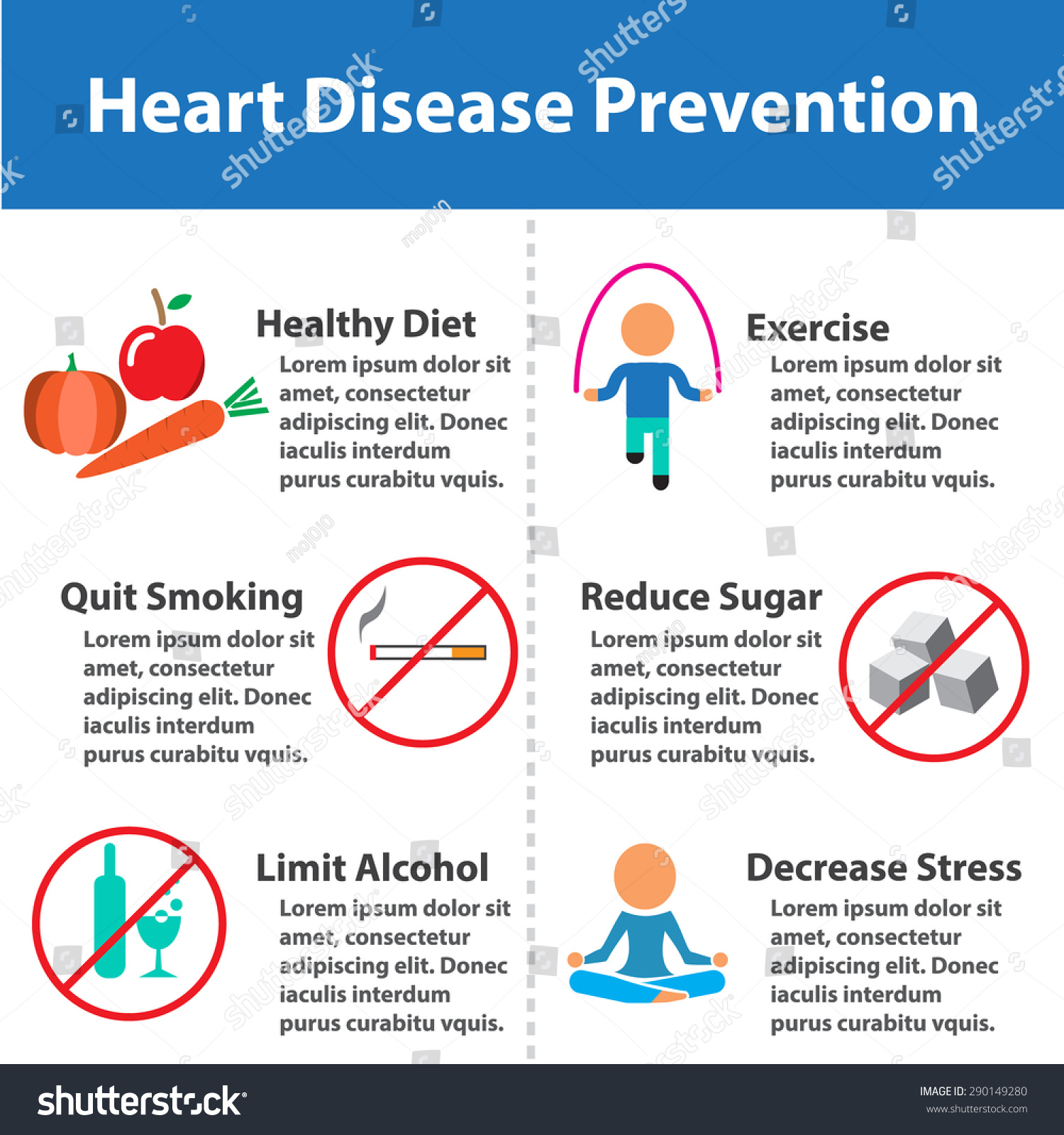
The true measure of intersectoral success is not found in the clinic, but in the patient’s daily routine. Cardiovascular prevention in everyday life involves managing diet, exercise, and psychological stress—factors that are far more influential than any single clinical visit.
Integrated care models are now emphasizing the role of “care coordinators” or specialized nurses who act as the glue between the hospital and the home. These professionals ensure that the patient understands the why behind their treatment, helping to bridge the gap between medical necessity and patient adherence. By providing a single point of contact, these models reduce the anxiety and confusion that often accompany the transition from acute care to long-term prevention.
there is a growing recognition that socioeconomic factors—often termed “social determinants of health”—play a decisive role in how intersectoral care is experienced. Patients with lower health literacy or limited financial resources are disproportionately affected by gaps in care coordination, making the push for integrated, accessible prevention a matter of health equity as much as medical efficiency.
Structural Hurdles and the Path Forward
Despite the clinical consensus, significant structural hurdles remain. Reimbursement models often incentivize the volume of procedures (inpatient) or the number of visits (outpatient) rather than the quality of the transition or the long-term prevention outcome. Moving toward “value-based care” is essential to align financial incentives with the goal of keeping patients out of the hospital.
The path forward requires a fundamental redesign of the cardiovascular care pathway. This includes:
- Standardized Transition Protocols: Implementing mandatory, detailed handover checklists that prioritize preventive medication and lifestyle targets.
- Interdisciplinary Case Conferences: Regular communication between hospital cardiologists and community GPs for high-risk patients.
- Patient-Led Care Plans: Empowering patients with digital tools to track their own risk factors and share them across sectors.
The global community continues to look toward the World Health Organization for overarching guidelines on reducing CVD mortality, but the execution of these goals depends entirely on the local ability to manage intersectoral care. Without a seamless bridge between the hospital and the home, the most innovative treatments will continue to see their impact diluted by systemic inefficiency.
Key Takeaways: Bridging the Gap in Heart Health
- The Intersectoral Gap: The transition from hospital to primary care is the most critical point of failure in cardiovascular prevention.
- Therapeutic Inertia: Fragmentation in care often leads to a decline in the intensity of preventive treatments after hospital discharge.
- Digital Solutions: Shared electronic health records are essential for real-time coordination and reducing “care vacuums.”
- Holistic Coordination: Success requires a shift from episodic treatment to a continuous, integrated care model involving care coordinators.
- Systemic Reform: Reimbursement models must shift toward value-based care to incentivize long-term prevention over acute intervention.
The ongoing dialogue within the internal medicine community underscores a vital truth: we cannot treat our way out of the cardiovascular crisis; we must coordinate our way out of it. The focus on intersectoral care is a recognition that the heart does not stop needing protection once the patient leaves the hospital doors.
The next major checkpoint for these initiatives will be the release of the updated intersectoral care guidelines expected in the coming months, which aim to standardize the handover process across European health systems. We will continue to monitor how these guidelines are integrated into clinical practice.
Do you believe your healthcare providers are sufficiently coordinated? Share your experiences with the transition from hospital to home care in the comments below.
Worth a look