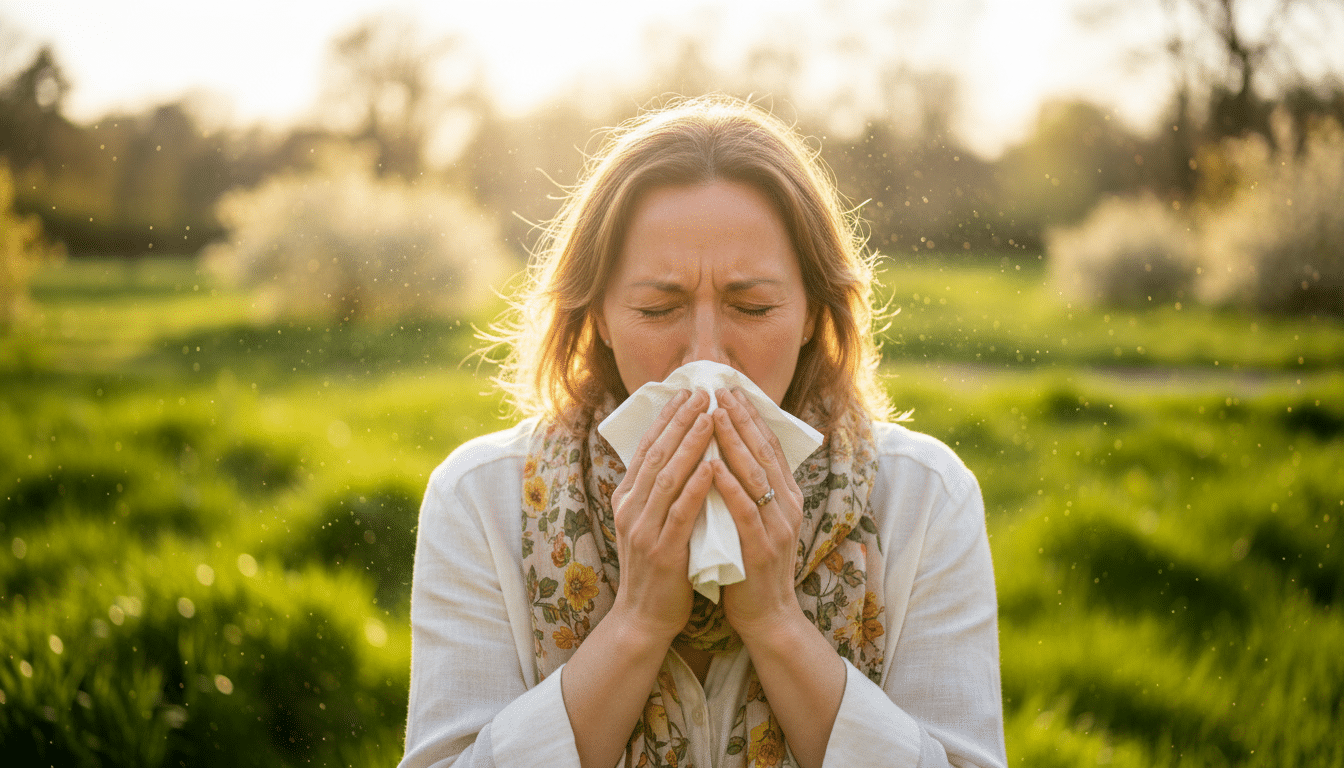
For millions of people worldwide, the arrival of spring and summer is not merely a change in season, but the beginning of a grueling cycle of sneezing, itchy eyes, and respiratory congestion. Allergic rhinitis, commonly known as hay fever, can significantly impair quality of life, affecting sleep, productivity, and overall mental well-being. While pharmacological interventions remain the gold standard for treatment, the ability to anticipate “pollen peaks”—the windows of time when allergen concentrations are at their highest—has become a critical component of modern symptom management.
The emergence of free pollen tracking apps has transformed how patients interact with their environment. By leveraging real-time atmospheric data and botanical calendars, these tools allow users to move from a reactive state—treating symptoms after they appear—to a proactive strategy of avoidance. For those sensitive to specific triggers, such as birch, ragweed, or various grasses, knowing the exact hour a pollen spike is expected can mean the difference between a productive day and a debilitating allergic episode.
As a physician and health journalist, I have observed a significant shift in patient care toward “digital phenotyping,” where individuals use app data to track their own triggers. However, not all tracking tools are created equal. The efficacy of these apps depends on the quality of the data sources they utilize, ranging from traditional volumetric pollen traps to advanced satellite imagery and AI-driven predictive modeling.
How Pollen Forecasting Works: From Traps to Telemetry
To understand the utility of these apps, one must first understand how pollen is measured. Historically, the “gold standard” for pollen counting involved the use of Hirst-type volumetric spore traps. These devices suck air into a rotating drum covered in adhesive tape, which is then analyzed under a microscope by trained palynologists to identify and count specific pollen grains. While highly accurate, this process is slow and often results in data that is 24 to 48 hours old by the time it is published.
Modern free pollen tracking apps now supplement this manual data with “nowcasting” technology. This involves integrating weather variables—such as wind speed, humidity, temperature, and precipitation—with botanical data. For instance, high winds can transport pollen hundreds of miles from its source, while heavy rain typically “washes” the air, providing temporary relief to sufferers. By combining these variables, apps can provide hourly predictions that are far more granular than the general daily forecasts of the past.
This precision is vital because pollen release is not constant. Many plants release pollen in bursts triggered by specific temperature thresholds or morning dew evaporation. For a patient with severe asthma triggered by pollen, avoiding the outdoors during a predicted two-hour peak can prevent a potentially dangerous respiratory event.
Top Recommended Free Pollen Tracking Apps
While the app market is saturated with weather tools, a few stand out for their specialization in allergen tracking and user-centric design. The following tools provide essential data for managing seasonal allergies.
1. Allergy Plus (by Pollen.com)
Designed specifically for the North American market, Allergy Plus is an extension of the long-standing data infrastructure of Pollen.com. The app is particularly useful for users who require location-specific, real-time information. Its primary strength lies in its ability to provide a side-by-side view of allergy forecasts and weather patterns, allowing users to see how a coming storm or heatwave might influence pollen levels.
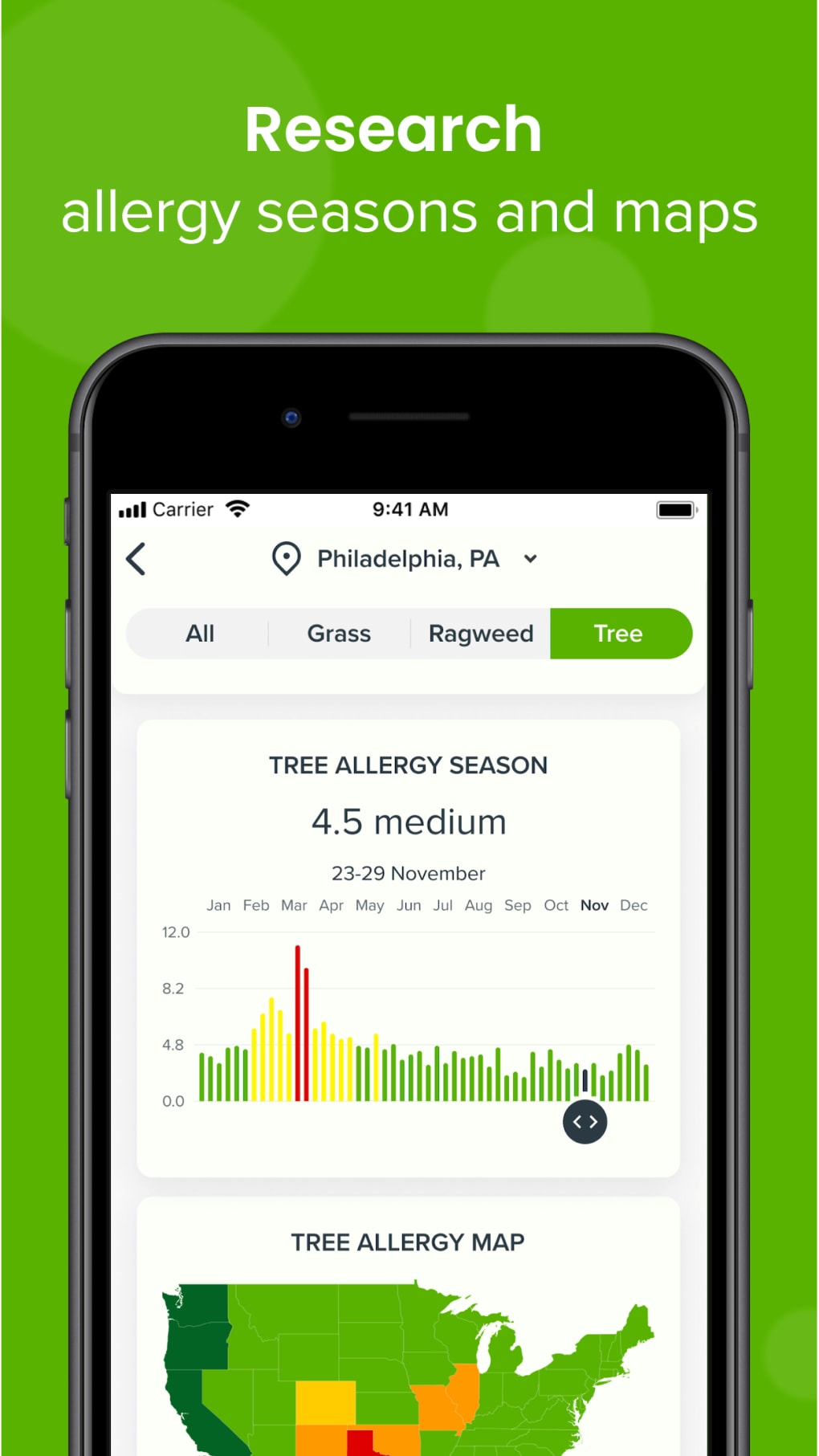
The app allows users to track multiple locations, which is essential for those who commute between different ecological zones (e.g., from a coastal city to a forested suburb). By providing detailed breakdowns of impactful allergens in a specific area, it helps users identify whether their current symptoms are likely caused by trees, grasses, or weeds.
2. Klarify
Klarify distinguishes itself by focusing on a holistic approach to air quality. Rather than focusing solely on pollen, it integrates data on air pollutants and weather, acknowledging that pollution can often exacerbate the body’s inflammatory response to pollen. For example, nitrogen dioxide and particulate matter can damage the lining of the nasal passages, making it easier for pollen grains to penetrate and trigger an allergic reaction.
The app offers personalized allergy insights and a short-term forecast, which is ideal for planning daily activities. Its commitment to a free, ad-free experience makes it a high-utility tool for users who want streamlined data without the distraction of commercial interruptions.
3. The Weather Channel / AccuWeather
While these are general weather applications, they remain some of the most accessible and globally available tools for basic pollen tracking. Both platforms have integrated sophisticated allergen indices into their local forecasts. For the average user who does not require a deep dive into specific pollen grain counts but needs a general “Low,” “Medium,” or “High” alert, these apps are highly efficient.
The advantage of these platforms is their massive data network, which allows them to provide reasonably accurate forecasts even in regions where dedicated pollen traps are scarce. They serve as an excellent first line of defense for the casual allergy sufferer.
Strategic Symptom Management Using Digital Data
Simply knowing the pollen count is not enough; the data must be translated into actionable behavior. To maximize the benefit of free pollen tracking apps, I recommend the following evidence-based strategies:
- The “Peak Window” Avoidance: Most pollen is released in the early morning, and evening. Use your app to identify the absolute peak hours and schedule high-intensity outdoor activities (like jogging or gardening) during the predicted troughs.
- Ventilation Timing: Avoid opening windows during high-pollen alerts. Instead, use air conditioning with HEPA filters to maintain a “safe zone” inside the home.
- Post-Exposure Hygiene: On days when the app indicates a “High” or “Very High” level, shower and change clothes immediately upon returning indoors to remove trapped pollen from your hair and skin.
- Pre-emptive Medication: For those using prophylactic antihistamines or nasal corticosteroids, the app can serve as a reminder to start their medication regimen a few days before the predicted seasonal peak, as many of these drugs require several days to reach full efficacy.
The Medical Limit: When an App Is Not Enough
While digital tools are invaluable for avoidance, they are not a substitute for professional medical diagnosis and treatment. Allergic rhinitis is an immune system overreaction where the body produces Immunoglobulin E (IgE) antibodies in response to a normally harmless substance. This process can lead to chronic inflammation of the nasal mucosa and, in some cases, progress to allergic asthma.
It is crucial to consult a board-certified allergist if you experience any of the following:
- Symptoms that do not respond to over-the-counter medications.
- Shortness of breath, wheezing, or a persistent cough (indicators of potential asthma).
- Frequent sinus infections or earaches.
- A need for daily medication that interferes with your quality of life.
A specialist can perform skin-prick tests or blood tests (RAST) to identify your exact triggers. This allows you to use pollen apps more effectively; for instance, if you know you are only allergic to World Health Organization recognized respiratory allergens like certain grasses but not tree pollen, you can ignore “High” alerts for birch and focus only on the grass season.
Key Takeaways for Allergy Sufferers
| Feature | General Weather Apps | Specialized Allergy Apps | Medical Consultation |
|---|---|---|---|
| Data Granularity | General Levels (Low/High) | Specific Pollen Types/Hourly | Personalized Trigger Map |
| Primary Use | Quick daily check | Activity planning/Avoidance | Long-term treatment/Cure |
| Cost | Free | Free/Freemium | Insurance/Out-of-pocket |
| Actionable Output | General awareness | Behavioral modification | Prescription/Immunotherapy |
The integration of technology into allergy management represents a significant step forward in public health. By utilizing free pollen tracking apps, patients can reclaim a sense of control over their environment. However, the most effective approach remains a combination of digital vigilance, environmental hygiene, and professional medical guidance.
The next major development in this field is expected to be the wider integration of hyper-local sensor networks, which will move forecasts from the “city level” to the “street level.” Until then, leveraging the tools currently available is the best way to navigate the sneezing season.
Do you rely on apps to manage your allergies, or do you prefer traditional medical interventions? Share your experience in the comments below or share this guide with someone struggling through this season’s pollen peaks.
Worth a look