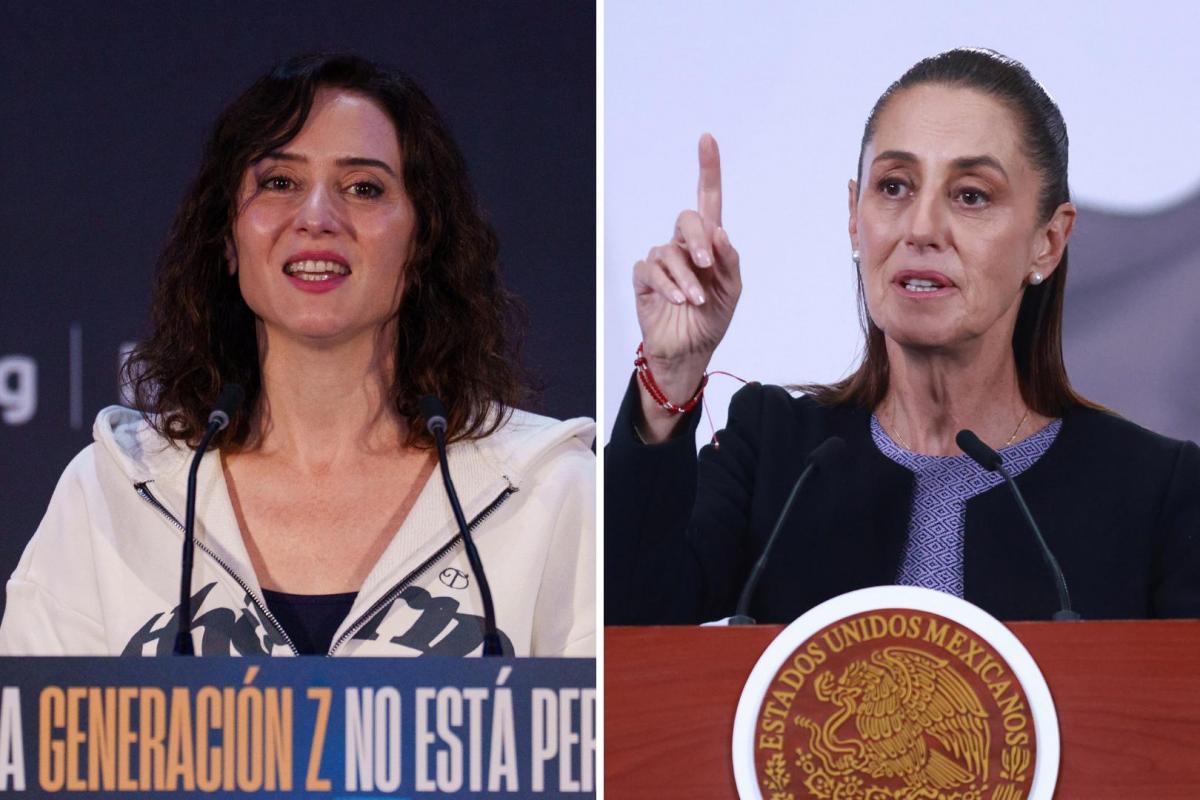
A diplomatic rift has widened between the regional government of Madrid and the federal government of Mexico following a contentious visit by Isabel Díaz Ayuso, the President of the Community of Madrid. What was intended as a cultural celebration of shared history has instead devolved into a sharp ideological clash over the legacy of the Spanish conquest and the origins of the Mexican state.
The tension reached a boiling point after Ayuso hosted an event in Mexico City titled “Celebration of Evangelization and Mestizaje in Mexico: Malinche and Cortés.” The event, which sought to highlight the fusion of Spanish and Indigenous cultures, drew immediate and severe criticism from Mexican President Claudia Sheinbaum, who viewed the narrative as an erasure of Mexico’s pre-Hispanic identity.
This Ayuso Mexico visit controversy underscores a deeper, systemic divide in how the two nations perceive the 16th-century encounter between Europe and the Americas. While Ayuso framed the arrival of Hernán Cortés as a foundational moment of “mestizaje” (cultural and racial mixing), the Mexican presidency characterized such views as outdated and dismissive of the indigenous civilizations that flourished long before the Spanish arrival.
The fallout extended beyond political rhetoric, spilling into the private sector. Reports indicate that Grupo Xcaret, one of Mexico’s most prominent tourism and cultural conglomerates, withdrew an invitation to the Madrid president following “unfortunate statements” made during her trip, signaling that the political friction had resonated within Mexico’s influential business community.
The Tribute to Cortés and the ‘Mestizaje’ Narrative
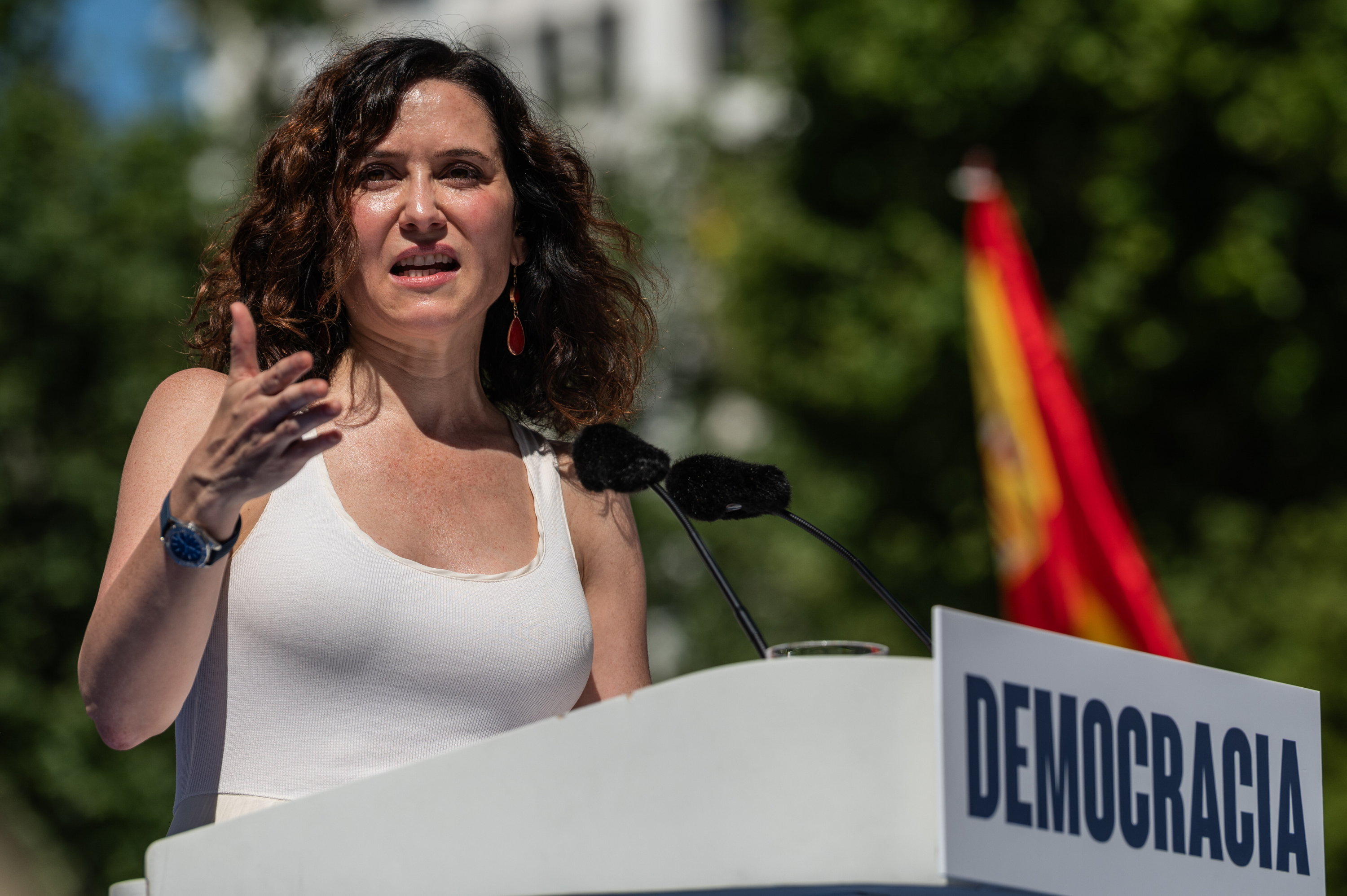
At the center of the storm is Ayuso’s decision to pay tribute to the Spanish conquistador Hernán Cortés. During her event in Mexico City, Ayuso emphasized the role of the Spanish arrival in creating the modern Mexican identity. By focusing on “evangelization” and the union of Malinche and Cortés, the Madrid president attempted to frame the colonial period as a constructive process of synthesis rather than one of conquest and subjugation.

Ayuso’s rhetoric aligns with a broader political strategy she has employed within Spain, where she frequently champions traditional Spanish values and the historical impact of the Spanish Empire. However, this approach proved discordant in the current Mexican political climate, where there is a strong institutional push to center indigenous perspectives and acknowledge the trauma of the conquest.
Critics of the event argued that by celebrating Cortés, Ayuso ignored the systemic violence and destruction of indigenous codices, cities, and populations that accompanied the Spanish colonization. The framing of the event as a “celebration” was perceived by many in Mexico as an affront to the national memory of the indigenous peoples who resisted the conquest.
President Sheinbaum’s Rebuttal: A Nation Beyond the Conquest
President Claudia Sheinbaum responded to the visit with a series of pointed critiques, asserting that the history of Mexico did not begin with the arrival of European explorers. In a public statement, Sheinbaum challenged the notion that the Spanish presence was the primary catalyst for Mexican civilization, stating that there are those who still believe Mexico began only when the Spaniards arrived.
Sheinbaum’s response is not merely a reaction to a single visit but is reflective of her administration’s broader commitment to “decolonizing” the Mexican historical narrative. By defending the indigenous roots of the nation, Sheinbaum positioned herself as a guardian of a national identity that predates the colonial era by millennia, contrasting sharply with Ayuso’s focus on the 500-year anniversary of the encounter.
The clash highlights the differing political roles of the two women. Ayuso, representing a conservative regional power in Spain, utilizes historical nostalgia to bolster a specific vision of Hispanic identity. Sheinbaum, leading a nation grappling with its colonial scars, utilizes the state’s platform to validate the ancestral heritage of Mexico’s indigenous populations. This ideological gap turned a cultural visit into a diplomatic liability.
Corporate Fallout and the Grupo Xcaret Withdrawal
The diplomatic tension manifested in a tangible blow to Ayuso’s itinerary when Grupo Xcaret, a major player in the Mexican tourism industry known for promoting Mayan culture and nature, distanced itself from the Madrid president. The group clarified that an invitation to Ayuso was withdrawn following statements that were deemed “unfortunate.”
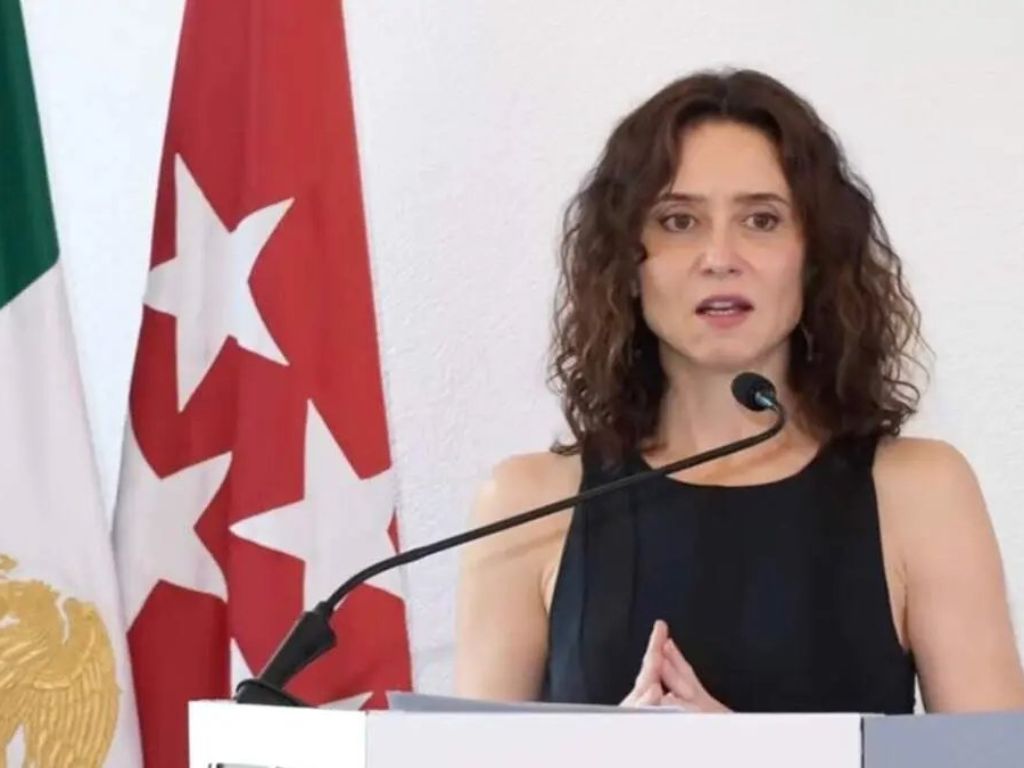
While the specific statements that triggered the withdrawal were not detailed in a single official decree, they are widely understood to be linked to the rhetoric used during the Cortés tribute. For a company like Grupo Xcaret, which builds its brand on the celebration of indigenous Mayan heritage, aligning with a figure praising the conquistadors presented a significant reputational risk.
This move by the private sector suggests that the backlash against Ayuso was not limited to the presidential palace. It indicates a broader cultural shift within Mexico, where the romanticization of the conquest is increasingly viewed as incompatible with modern corporate and social values regarding diversity and historical accuracy.
The Ideological Rift: Traditionalism vs. Indigenous Identity
The conflict between Ayuso and Sheinbaum is a microcosm of a global debate regarding colonial legacies. On one side is the “Hispanist” view, which argues that the Spanish language, Catholicism, and European legal structures provided the foundation for the modern Western world, including Latin America.
On the other side is the “Indigenist” or “Decolonial” view, which argues that the colonial project was built on genocide and exploitation. This perspective asserts that the “mestizaje” described by Ayuso was often the result of forced assimilation and violence rather than a harmonious blending of cultures.
For the global audience, this clash demonstrates how historical interpretation is used as a tool for contemporary political signaling. Ayuso’s visit was less about diplomatic cooperation and more about projecting a specific image of Spanish pride to her constituents back in Madrid. Conversely, Sheinbaum’s firm rejection served to solidify her standing with the indigenous and nationalist sectors of the Mexican electorate.
The impact of this friction may extend to future bilateral relations between the Community of Madrid and Mexican authorities. While regional governments do not hold the same diplomatic weight as national governments, the visibility of the clash has created a narrative of hostility that could complicate cultural and economic exchanges in the short term.
As Mexico continues to redefine its relationship with its colonial past, the “failed week” of Isabel Díaz Ayuso serves as a cautionary tale for foreign officials attempting to navigate the complex intersection of history, identity, and politics in modern Mexico.
The next confirmed checkpoint in this diplomatic saga will be the upcoming official bilateral reports on Spain-Mexico cultural cooperation, which are expected to reflect the current tensions in their framing of joint heritage projects.
We invite our readers to share their perspectives on the balance between honoring colonial history and recognizing indigenous roots in the comments below.
Related reading