
For decades, the global health community has looked to the Mediterranean basin as a blueprint for longevity. While the “Mediterranean Diet” is often reduced to a list of ingredients—olive oil, nuts, and fresh vegetables—experts are now arguing that the secret to Spain’s impressive life expectancy lies not just in the ingredients, but in the ritual of consumption.
Spain currently maintains a life expectancy of over 84 years, comfortably exceeding the average of approximately 81 years found across the wealthiest OECD member nations. This gap suggests that while wealth and healthcare infrastructure are vital, there are cultural and nutritional nuances at play that provide a distinct advantage in the aging process.
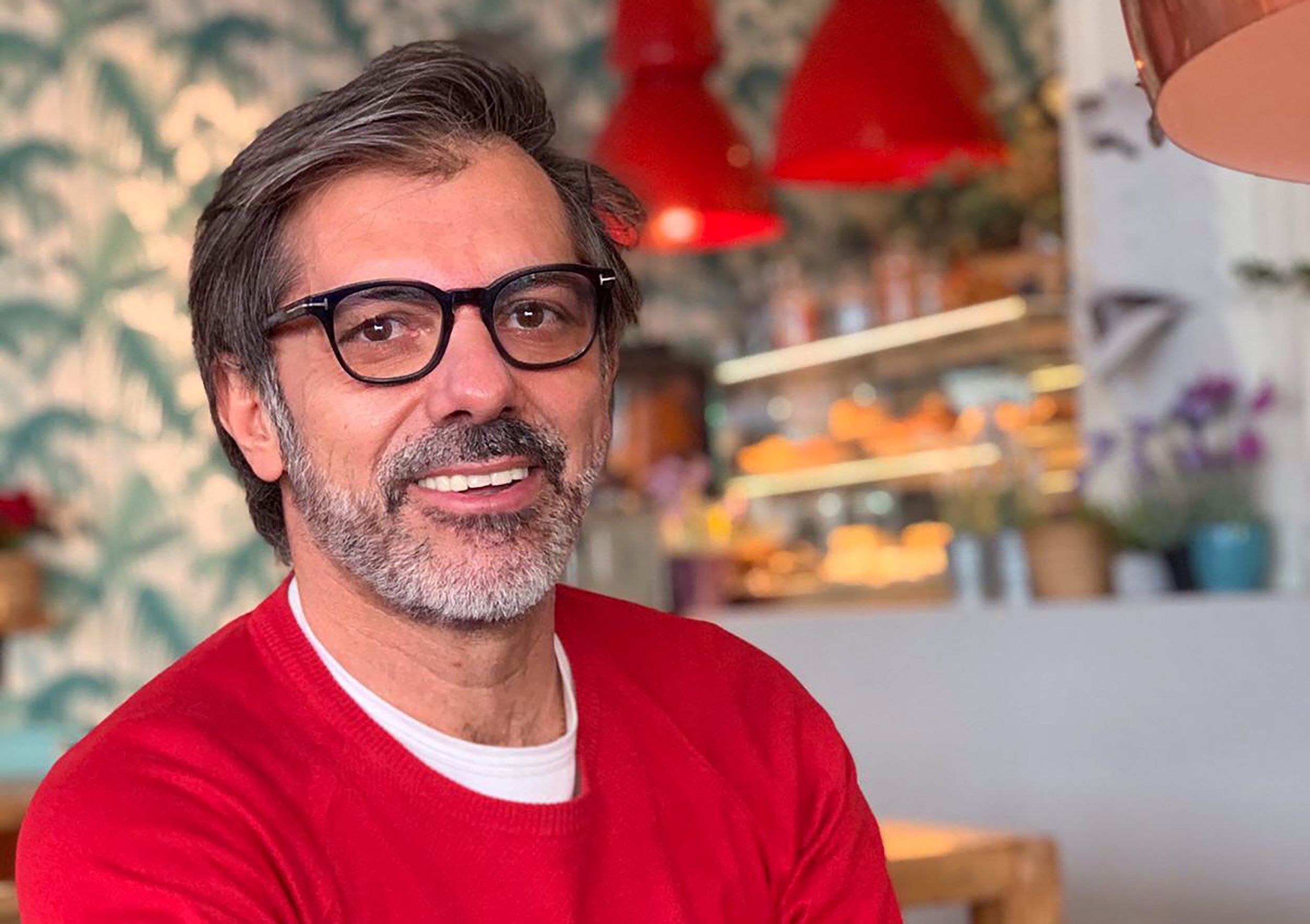
According to Rafael Urrialde, a doctor of biological sciences and a prominent expert in food security and nutrition, the focus on “superfoods” is a distraction. Instead, Urrialde posits that longevity is the result of a holistic ecosystem where the timing of meals, the method of preparation, and the social environment of the table are as critical as the nutrients themselves.
As the president of the Health Expert Committee of 65YMÁS and a member of the Medical Committee of Cuídate+, Urrialde is advocating for a shift toward the “professionalization” of senior nutrition. He argues that dietary management in old age should be treated with the same medical rigor as chronic conditions like hypertension, requiring the guidance of certified dietitians-nutritionists rather than relying on general trends or anecdotal advice.
The ‘8S’ Model: A Holistic Approach to Senior Nutrition
To move beyond the simplistic “eat more greens” narrative, Urrialde proposes a comprehensive framework known as the “8S” model. This approach views food not merely as fuel, but as a pillar of social and systemic health. The 8S framework consists of the following pillars:
- Seguro (Safe): Ensuring food is free from contaminants and safe for consumption.
- Saludable (Healthy): Providing the necessary nutrients to prevent disease and maintain function.
- Sostenible (Sustainable): Respecting the environment and ensuring resources are available for future generations.
- Satisfactoria (Satisfying): Addressing the psychological and sensory pleasure of eating, which is vital for preventing malnutrition in seniors.
- Suficiente (Sufficient): Ensuring caloric and nutritional needs are fully met to avoid frailty.
- Social: Recognizing that eating is a communal act that combats loneliness and depression in the elderly.
- Solidaria (Solidary): Promoting equitable access to quality nutrition across different socioeconomic strata.
- Soberanía alimentaria (Food Sovereignty): The right of people to healthy and culturally appropriate food produced through ecologically sound and sustainable methods.
By integrating these eight dimensions, the 8S model shifts the conversation from “what is on the plate” to “how the food system supports the human being.” For seniors, the “Social” and “Satisfying” components are particularly critical; clinical evidence often shows that isolated elderly individuals are at a higher risk of malnutrition, even when food is physically available, because the drive to eat is closely tied to social interaction.
Debunking the ‘Superfood’ Myth
One of the most pervasive trends in modern health journalism is the promotion of “superfoods”—specific items like acai, kale, or quinoa that are marketed as having extraordinary health benefits. Urrialde is clear in his assessment: the concept of a single superfood is a myth.

He asserts that almost any food can be part of a healthy diet provided it is consumed in the correct quantity, frequency, and preparation. The search for a “magic bullet” ingredient often leads consumers to ignore the overall pattern of their eating habits, which is where the real health gains are made.
In a striking clarification, Urrialde notes that there is only one food that truly meets all the nutritional requirements of a human being for a period of time: breast milk. For adults, especially seniors, nutritional security comes from variety and balance rather than the concentrated consumption of any single “miracle” food.
The Evolution of Food Hygiene and Longevity
While the modern focus is often on the variety of foods available—thanks to global trade and the discovery of new routes centuries ago—Urrialde points out that the most significant advancement in nutrition over the last century has been food hygiene.
Historically, the primary goal of food preservation was simply to prevent spoilage. However, the transition toward scientific food safety and hygiene has drastically reduced the incidence of foodborne illnesses and chronic infections, which historically truncated life expectancy. This systemic improvement in how food is handled and stored is a silent but powerful contributor to the longevity seen in developed nations today.
This historical perspective highlights that longevity is not just a result of “eating the right things,” but of the infrastructure that ensures what we eat is safe. For the modern senior, this means that food safety is just as vital as caloric intake.
The Case for Nutritional Professionalization
A recurring theme in Urrialde’s philosophy is the need for specialized medical intervention in diet. He draws a sharp parallel between the treatment of hypertension and dietary control: if a patient has high blood pressure, they do not attempt to fix it alone; they visit a physician. Similarly, those seeking to optimize their diet for longevity or to manage age-related health issues should consult a professional dietista-nutricionista.
The danger of the “DIY” approach to senior nutrition is the risk of omitting essential nutrients or following restrictive diets that can lead to sarcopenia (muscle loss) or cognitive decline. Personalized nutrition takes into account the individual’s medical history, medication interactions, and physical capabilities, ensuring that the diet supports the body’s specific needs at that stage of life.
Key Takeaways for Healthy Aging
- Prioritize the Ritual: Focus on when and how you eat, ensuring meals are social events that promote mental well-being.
- Ignore the Hype: Replace the search for “superfoods” with a commitment to a diverse, balanced diet.
- Seek Expert Guidance: Treat nutritional planning as a medical necessity, utilizing certified professionals to tailor diets to specific health needs.
- Focus on Quality and Safety: Understand that food hygiene and the “8S” pillars (including sustainability and safety) are fundamental to long-term health.
The Spanish example suggests that the path to a longer, healthier life is not found in a single ingredient, but in a culture that values the act of eating as a social, safe, and professionally managed component of health. As the global population ages, moving toward this integrated model of nutrition may be the key to adding not just years to life, but quality to those years.
The current trend in healthcare is moving toward more personalized, preventative nutrition. While there is no single upcoming “hearing” or “filing” regarding these dietary guidelines, health organizations continue to update the World Health Organization’s healthy diet guidelines to reflect the importance of holistic nutrition and the prevention of non-communicable diseases in aging populations.
Do you believe the social aspect of eating is overlooked in modern healthcare? Share your thoughts in the comments or share this article with someone looking to optimize their health in their senior years.
Related reading