
The landscape of preventative healthcare is shifting rapidly from a generalized approach to one of precision. For decades, the supplement industry operated on a “one-size-fits-all” model, where consumers selected multivitamins based on broad categories—such as “women’s health” or “senior support”—without a nuanced understanding of their own biological requirements. However, a new wave of healthcare platforms is now leveraging data to bridge the gap between general nutrition and individual necessity.
Leading this transition in the South Korean market, SeroMS, a comprehensive healthcare platform company under the Ildong Pharmaceutical Group, has recently intensified its efforts to bring customized wellness to the public. By participating in the Kobe Baby Fair, a prominent exhibition for parents and infants, SeroMS is promoting its “Health Distribution Center” (건강배급소), a specialized solution designed to provide personalized nutritional supplement solutions tailored to the unique health profiles of individuals.
From my perspective as a physician and medical journalist, this move is particularly strategic. Targeting new and expecting parents—a demographic characterized by heightened health consciousness and a rigorous approach to nutritional intake—allows SeroMS to demonstrate the tangible benefits of precision nutrition. When parents are managing not only their own health but also the developmental needs of their children, the ability to remove guesswork from supplementation becomes an invaluable utility.
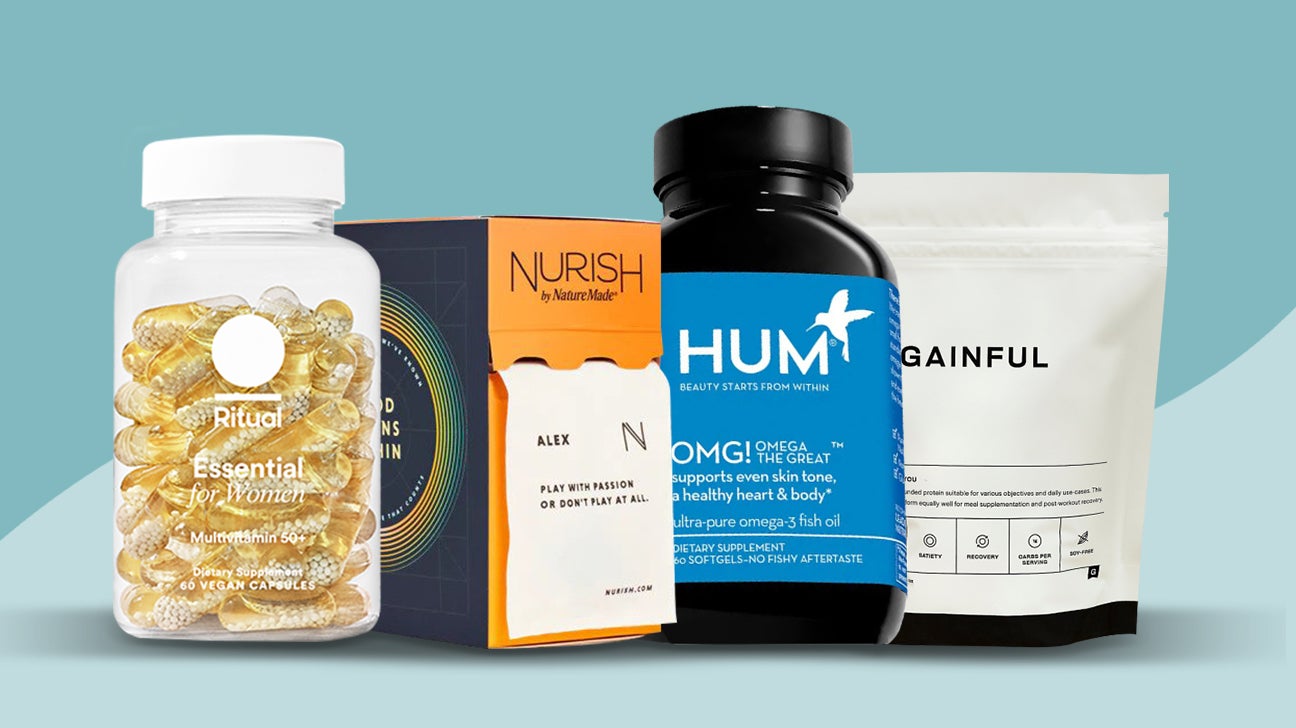
The “Health Distribution Center” is not merely a retail storefront but a data-driven service. It utilizes a smart evaluation system to analyze a user’s current health status, lifestyle, and dietary habits to recommend a specific combination of nutrients. This approach addresses a common clinical frustration: the over-supplementation of unnecessary vitamins and the under-supplementation of critical deficiencies, both of which can impact overall wellness.
The Evolution of Precision Nutrition
To understand why the “Health Distribution Center” is significant, one must look at the broader evolution of the nutraceutical industry. Traditionally, supplements were marketed as general wellness boosters. However, medical science has long known that nutritional needs vary wildly based on genetics, age, environment, and pre-existing health conditions. For instance, the vitamin D requirements for someone living in a high-latitude city during winter differ vastly from those in a tropical climate.
Personalized nutritional supplement solutions represent the intersection of pharmaceutical expertise and digital health. By integrating a diagnostic or evaluative phase before the prescription of supplements, companies like SeroMS are moving closer to a “medicalized” version of wellness. This ensures that the consumer is receiving a dosage that is both safe and effective, reducing the risk of toxicity from excessive intake of fat-soluble vitamins or the inefficiency of low-dose supplements that fail to reach therapeutic levels.
This shift is part of a global trend toward personalized health. As the integration of wearable technology and home-testing kits becomes more seamless, the ability to adjust nutritional intake in real-time based on biometric data is becoming a reality. SeroMS is positioning itself at the forefront of this trend by utilizing the corporate infrastructure of the Ildong Pharmaceutical Group, ensuring that the supplements provided are backed by pharmaceutical-grade quality control.
SeroMS and the Strategic Focus on Maternal and Child Health
The choice of the Kobe Baby Fair as a promotional venue is a calculated move to capture a high-intent audience. New parents often face an overwhelming amount of conflicting information regarding prenatal and postnatal vitamins. The “Health Distribution Center” simplifies this process by providing a structured evaluation, effectively acting as a nutritional guide for families during a critical life transition.
At the event, SeroMS focuses on educating visitors about the dangers of indiscriminate supplement use. Many consumers assume that “more is better,” but in the context of maternal and child health, precision is paramount. Certain vitamins, if taken in excess, can interfere with other nutrients or cause adverse effects. By promoting a “distribution” model—where supplements are dispensed based on specific needs rather than sold as generic packages—SeroMS is championing a more responsible approach to supplementation.
CEO Kang Kyu-sung has steered SeroMS toward becoming a comprehensive healthcare platform, meaning the company aims to integrate various health services into a single user experience. The “Health Distribution Center” serves as a primary touchpoint for this ecosystem, converting a simple purchase into a long-term health management relationship. For the user, this means their nutritional plan can evolve as their health status changes, moving from prenatal needs to postnatal recovery and eventually into childhood nutrition.
The Role of Healthcare Platforms in Modern Medicine
The emergence of companies like SeroMS highlights a critical change in how healthcare is delivered. We are seeing a move away from the traditional hospital-centric model toward a “platform-centric” model, where preventative care happens in the home and through digital interfaces. These platforms serve as the connective tissue between pharmaceutical manufacturing and the end consumer.
By operating as a platform, SeroMS can collect anonymized data on common nutritional deficiencies across different demographics. This data is invaluable for public health research and allows the company to refine its algorithms for better recommendations. When a pharmaceutical group like Ildong supports such a platform, it adds a layer of clinical credibility that standalone “wellness” startups often lack.
The “Health Distribution Center” model essentially democratizes access to nutritional counseling. While not a replacement for a registered dietitian or a primary care physician, it provides a baseline of personalized guidance that is far superior to the choices made in a supermarket aisle. It encourages consumers to think about their health in terms of specific deficiencies and goals rather than general “wellness.”
Key Components of the Personalized Supplement Process
While the specific proprietary algorithms of SeroMS are not public, the general workflow of the “Health Distribution Center” follows a clinically sound trajectory:
- Evaluation: The user undergoes a smart analysis, which may include questionnaires regarding diet, sleep, stress levels, and physical activity.
- Analysis: The system cross-references user data with nutritional guidelines to identify gaps in the user’s current intake.
- Customization: A tailored combination of supplements is selected to fill those specific gaps.
- Distribution: The personalized package is delivered to the user, often with guidance on how to maintain the regimen.
Impact on the Global Health Market
The South Korean market is often a bellwether for health technology trends in Asia, and beyond. The success of personalized nutrition platforms in Korea often signals a shift in consumer behavior globally. As people become more skeptical of generic health claims, the demand for evidence-based, personalized solutions will only grow.
This trend is mirrored in other sectors of medicine, such as pharmacogenomics, where medications are prescribed based on a patient’s genetic makeup. While nutritional supplements are not medications, the philosophy remains the same: the most effective intervention is the one tailored to the individual.
For the global audience, the SeroMS initiative serves as a case study in how pharmaceutical companies can pivot to meet the needs of the modern, proactive consumer. By moving from the role of a “pill provider” to a “health partner,” Ildong Pharmaceutical Group is adapting to a world where the consumer is an active participant in their own healthcare journey.
Conclusion and Future Outlook
The promotion of the “Health Distribution Center” at the Kobe Baby Fair is a significant step in normalizing precision nutrition for the general public. By focusing on the high-stakes environment of early parenthood, SeroMS is demonstrating that personalized health is not a luxury for the few, but a practical necessity for anyone seeking to optimize their well-being.

As SeroMS continues to expand its platform, the next logical step will likely be the integration of more direct biological markers—such as blood test results or microbiome analysis—into their evaluation system. This would move the “Health Distribution Center” from a survey-based model to a truly clinical one, further blurring the line between wellness and medicine.
The next confirmed milestone for SeroMS involves the continued expansion of its healthcare platform services and the integration of further diagnostic tools into the “Health Distribution Center” ecosystem. We will continue to monitor how these digital health initiatives impact long-term public health outcomes in South Korea.
Do you believe personalized supplements are the future of wellness, or do you prefer a traditional multivitamin approach? Share your thoughts in the comments below or share this article with others interested in the future of precision health.
Worth a look