
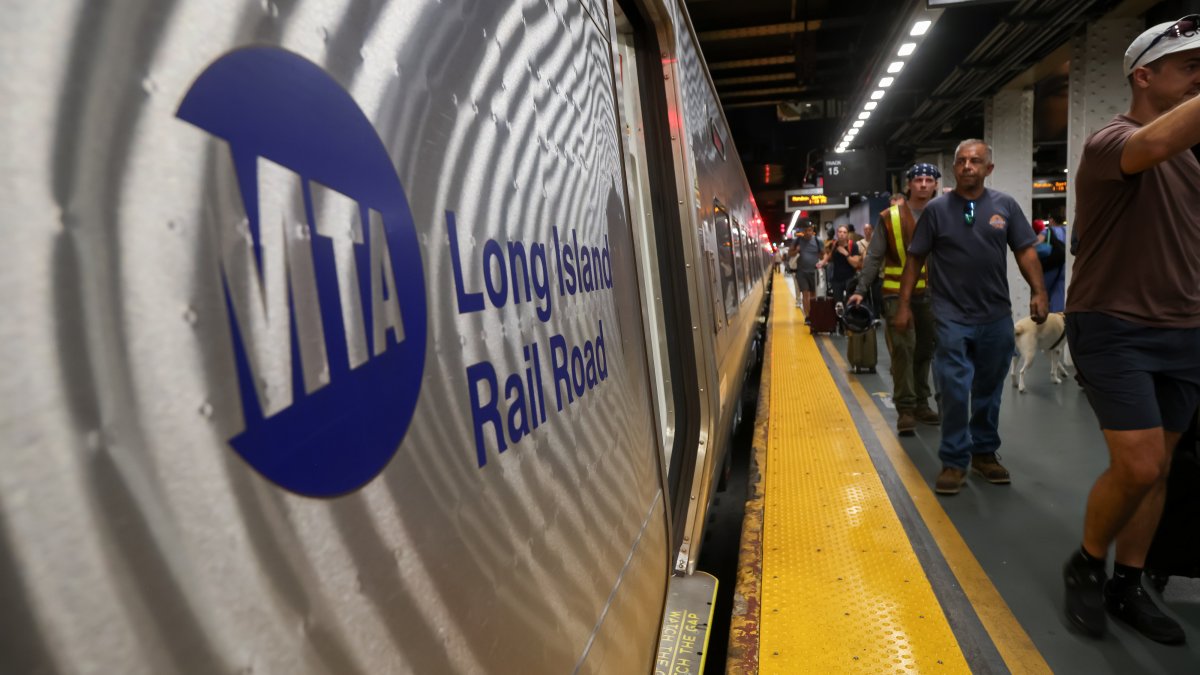
For the roughly 300,000 daily commuters who rely on the Long Island Rail Road (LIRR), the countdown to May 16 has introduced a palpable sense of anxiety. The threat of a walkout by railroad workers is no longer a distant possibility but a looming reality that could paralyze one of the busiest commuter rail networks in North America. If a contract agreement is not reached by the deadline, the region faces the prospect of the first LIRR strike in 32 years.
The current impasse centers on a fundamental disagreement over wages and contract length. Five unions representing LIRR engineers have already authorized a strike, signaling a readiness to walk off the job if their demands are not met. While the Metropolitan Transportation Authority (MTA) continues to negotiate, the gap between the two sides remains a critical point of contention that could leave hundreds of thousands of travelers stranded.
As Chief Editor of Business at World Today Journal, I have watched similar labor disputes across global transit hubs and the pattern is often the same: a tension between the operational budgets of public agencies and the cost-of-living pressures facing essential workers. In this case, the resolution depends on whether the MTA and union leadership can find a middle ground before the May 16 deadline triggers a massive service disruption.
LIRR Strike Contingency Plans: What Riders Need to Know
With the deadline approaching, the MTA has released a set of contingency plans designed to mitigate the total collapse of transit for those who cannot work remotely. However, these alternatives are limited and may not be feasible for all riders, particularly those on the southern shore of Long Island.
Under the current proposal, the MTA will implement shuttle bus services to connect riders to the New York City subway system. Specifically, the plan includes buses transporting passengers to the “A” subway train from the Hempstead, Hicksville, and Mineola stations. Similarly, riders from Huntington and Ronkonkoma would be directed to take buses to the “F” train. Detailed updates on these alternatives can be found via the official MTA LIRR portal.
Despite these efforts, the MTA has been candid about the limitations of shuttle buses. The agency has stated that the most effective alternative for the majority of the workforce would be to work from home. For those who have already invested in monthly tickets, the MTA has confirmed that refunds will be provided should a strike occur, acknowledging the financial burden a service shutdown places on the commuting public.
The Core of the Dispute: 5% vs. 3%
The friction between the MTA and the five unions is rooted in a specific disagreement over wage increases. The unions are seeking a 5% raise in the fourth year of a new contract, arguing that such an increase is necessary to keep pace with inflation and provide a decent wage for the conductors and engineers who keep the system running.

In contrast, the MTA—which controls the railroad’s budget—has offered a 3% increase over a three-year period. This 2% difference, while seemingly small in a vacuum, represents a significant divide in how both sides view the long-term financial sustainability of the railroad and the fair market value of the labor provided. The unions have already demonstrated their resolve, staging a rally in Massapequa to vow that they will carry out the strike if a satisfactory deal is not reached.
The economic stakes extend beyond the individual workers. A total shutdown of the LIRR would not only disrupt personal lives but could have a cascading effect on the productivity of the New York metropolitan area, as the LIRR is the largest commuter rail network in the United States.
Advocacy and the Call for Robust Alternatives
Riders’ advocates have criticized the MTA’s current contingency plans as insufficient. Many argue that the reliance on a few subway connections ignores the needs of a vast portion of the Long Island population. Specifically, there have been calls for the implementation of “Park and Ride” options at Babylon and expanded transit access for those living on the southern shore of the island.
Commuters have expressed frustration with the prospect of returning to cars for their daily transit. Thomas Kear, a regular commuter, noted that the best way to avoid “long messy commutes” is for the two sides to reach a deal, suggesting that since fares are expected to rise, those funds should be used to ensure workers receive a living wage. This sentiment reflects a broader public desire for stability over the uncertainty of temporary bus shuttles.
The MTA has stated it will take these suggestions under advisement, but with the May 16 deadline swift approaching, the window for implementing more robust infrastructure—like expanded Park and Ride facilities—is rapidly closing.
Political Intervention and the Path to a Deal
The situation took a turn toward potential resolution after Governor Kathy Hochul addressed the strike threat. Following her intervention, a union spokesman confirmed that the railroad and the five unions had resumed contract talks. This resumption of dialogue is seen as a critical step, though it does not guarantee a settlement.
The atmosphere remains tense. As recently as last Friday, the two parties were in public disagreement about the proximity of a deal. MTA Chair Janno Liber suggested that the sides were “closer, although we’re not there yet,” while union representatives countered that they were “no closer to a settlement.” This discrepancy highlights the fragility of the current negotiations.
For a deal to be reached, the MTA will likely need to move closer to the unions’ 5% demand, or the unions will need to accept a modified version of the MTA’s three-year plan. The involvement of the Governor’s office suggests that the state recognizes the strike as an untenable situation for the regional economy.
Summary of Strike Impact and Alternatives
To help commuters prepare, the following table outlines the primary contingency measures currently proposed by the MTA:

| Rider Group | Proposed Contingency | Alternative Recommendation |
|---|---|---|
| Hempstead, Hicksville, Mineola | Bus to “A” Subway Train | Work from home |
| Huntington, Ronkonkoma | Bus to “F” Subway Train | Work from home |
| Monthly Ticket Holders | Refunds provided | Monitor MTA app for updates |
| Southern Shore Riders | Limited / Under review | Personal vehicle (not recommended) |
The impact of a strike would be felt most acutely by those who lack the flexibility to work remotely. For the 300,000 daily riders, the difference between a successful negotiation and a walkout is the difference between a standard commute and a multi-hour journey involving multiple transfers and shuttle buses.
As we move toward the final days of the deadline, the focus remains on the negotiation table. The history of the LIRR shows that strikes are rare—occurring only once in the last 32 years—which suggests that both the MTA and the unions generally prefer a negotiated settlement over the chaos of a shutdown.
The next confirmed checkpoint is May 16, the date by which a contract must be signed or the engineers will walk off the job. We will continue to monitor the discussions between MTA Chair Janno Liber and the union leadership for any sign of a breakthrough.
Do you believe the MTA’s contingency plans are sufficient, or should more be done for southern shore commuters? Share your thoughts in the comments below.