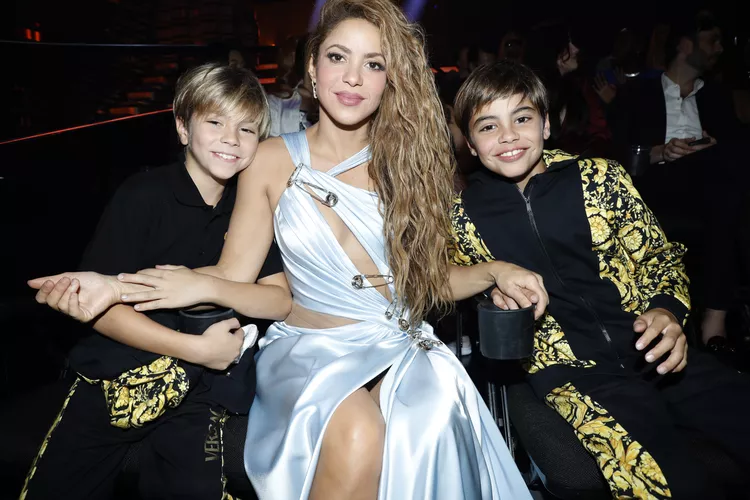
The intersection of global superstardom and private parenthood has rarely been as scrutinized as it is in the ongoing relationship between Colombian singer Shakira and former FC Barcelona defender Gerard Piqué. While the world watched their high-profile split, a more nuanced conflict has emerged behind the scenes: a Shakira and Gerard Piqué children privacy dispute centered on the digital footprint of their two sons, Milan and Sasha.
For parents in the public eye, the decision of when and how to share images of their children is often a point of contention. In the case of the former couple, this has evolved from a personal disagreement into a broader discussion about the rights of minors in the age of social media. As both parents navigate a complex co-parenting arrangement, the tension between Shakira’s public-facing brand and Piqué’s desire for a more shielded upbringing for his sons has become a focal point of their post-separation dynamic.
This friction is not merely a clash of personalities but a reflection of differing philosophies on privacy. While Shakira has frequently shared glimpses of her family life with her millions of followers, Piqué has reportedly advocated for a stricter boundary between their children’s private lives and the digital sphere. This divide highlights a growing global conversation among celebrities and legal experts regarding the “sharenting” phenomenon and the long-term psychological impact of early viral exposure.
The Core of the Privacy Conflict
At the heart of the disagreement is the concept of “informed consent” for minors. In the digital era, children of celebrities often have their lives documented before they are old enough to understand the implications of a permanent online presence. For Piqué, a man who spent years under the intense glare of the football world’s spotlight, the drive to protect Milan and Sasha from similar pressures is evident.
:max_bytes(150000):strip_icc():focal(999x0:1001x2)/milan-pique-mebarak-shakira-sasha-pique-mebarak-zootopia-2-111425-1-9ba8cd5f9eea43ec9ffda43e3ac64b3d.jpg "Milan and Sasha")
Reports indicate that the tension stems from the frequency and nature of the content shared online. When one parent views social media as a tool for connection and brand authenticity and the other views it as a breach of a child’s future autonomy, the result is often a stalemate. This is particularly challenging given that the couple shares joint custody, meaning decisions regarding the children’s public image ideally require mutual agreement.
The dispute is further complicated by the sheer scale of Shakira’s reach. With a global audience spanning continents, any image posted by the “Queen of Latin Music” is instantaneously amplified. For a father attempting to maintain a semblance of normalcy for his children in Barcelona, this level of exposure can feel contradictory to the goal of a protected childhood.
Legal Frameworks and the ‘Best Interests of the Child’
While much of the friction has been handled through private negotiations, the legal backdrop of such disputes in Spain is governed by the principle of the Interés Superior del Menor (the Best Interests of the Child). Under Spanish law, the courts prioritize the physical, emotional, and psychological well-being of the child over the preferences of the parents.
If a privacy dispute reaches the courts, judges typically evaluate whether the public exposure of a child is detrimental to their development or safety. In many European jurisdictions, there is a growing legal trend toward recognizing the “right to be forgotten” and the right to privacy for minors, even when the parents are the ones publishing the content. This legal evolution suggests that parents do not have an absolute right to broadcast their children’s lives if it conflicts with the child’s future right to privacy.
In the context of the Shakira and Piqué dynamic, the legal stakes are less about winning a court battle and more about establishing a sustainable co-parenting agreement. Legal experts in family law often suggest that “social media clauses” are becoming standard in high-net-worth separation agreements. These clauses specify what can be posted, who must approve the content, and whether the children’s faces should be blurred or omitted entirely from public posts.
The Challenges of High-Profile Co-Parenting
Navigating a breakup is difficult for any couple, but doing so while remaining two of the most famous people in the Spanish-speaking world adds a layer of extreme complexity. The transition from a romantic partnership to a co-parenting team requires a level of communication and trust that is often strained by public narratives and media speculation.
The struggle to align on privacy is a symptom of a larger challenge: managing a shared legacy. Milan and Sasha are not just the children of two individuals; they are the offspring of two massive global brands. Every public appearance or social media post is analyzed by millions, turning a simple family outing into a news event. This pressure can create an environment where the parents feel they must “perform” their co-parenting success for the public, even while struggling with private disagreements.
Despite these tensions, the couple has made concerted efforts to appear united for their children’s milestones. Whether attending school events or sporting matches, the visual of the two parents together serves as a stabilizing force for the children, regardless of the disagreements occurring behind the scenes regarding their digital presence.
Broader Implications for Celebrity Parenting
The Shakira and Gerard Piqué children privacy dispute serves as a case study for the modern celebrity dilemma. As the line between professional branding and personal life continues to blur, the “digital footprint” of the next generation is being created without their input. This has led to a wider debate about the ethics of using children to humanize a celebrity’s image or to drive engagement on social platforms.

Many high-profile figures are now moving toward a “privacy-first” approach. Some choose to never show their children’s faces, while others wait until the children are teenagers to ask for their permission before posting. The tension between Piqué and Shakira reflects this global shift in consciousness—a move away from the “open book” style of parenting toward a more guarded, protective stance.
For the general public, this story underscores the importance of boundaries. It highlights that even with immense wealth and influence, the fundamental struggle of parenting—agreeing on what is best for a child—remains universal. The resolution of this dispute will likely not come from a courtroom, but from a mutual understanding of how to balance the demands of fame with the needs of two growing boys.
Key Takeaways on the Privacy Dispute
- Core Conflict: A disagreement over the frequency and nature of the children’s exposure on social media.
- Differing Philosophies: Piqué reportedly favors a more private upbringing, while Shakira has historically shared more of her family life online.
- Legal Context: Spanish law emphasizes the “Best Interests of the Child,” which can override parental desires regarding public exposure.
- Industry Trend: The dispute reflects a broader move among celebrities toward reducing the digital footprint of their children.
- Co-parenting Strategy: Despite privacy disagreements, the couple continues to coordinate for the children’s major life events.
As the children grow older, the dynamic will inevitably shift. The ability of Milan and Sasha to eventually define their own public identities will depend largely on the boundaries established by their parents today. For now, the balance remains delicate, oscillating between the allure of the spotlight and the sanctuary of privacy.
The next major checkpoint for the family’s public dynamic will likely be the children’s transition into higher stages of education, which often prompts a renegotiation of custody and privacy arrangements. We will continue to monitor official statements regarding their co-parenting agreements.
Do you believe celebrity parents should have the right to share their children’s lives online, or should the children’s privacy come first? Share your thoughts in the comments below.
Related reading