
China’s LNG Imports Show Signs of Recovery as Global Supply Disruptions Ease
China’s liquefied natural gas (LNG) imports are showing early signs of recovery after months of disruption caused by the ongoing conflict in the Middle East, with ship-tracking data indicating a rebound in deliveries. According to Bloomberg’s analysis of vessel movements, the 30-day moving average for LNG imports into China has risen to its highest level since late February, though it remains below the five-year historical average. The gap between current imports and pre-disruption levels has narrowed significantly—shrinking to roughly half of what it was in early April—suggesting that buyers are successfully adapting to lost supply chains.
The disruptions stem from the closure of the Strait of Hormuz, which has choked off about one-fifth of global LNG supply. Qatar, which accounted for approximately 30% of China’s LNG imports last year, has been forced to halt exports, pushing Chinese purchases of seaborne gas to an eight-year low in April, according to analytics firm Kpler. However, Chinese utilities and industrial consumers appear to be mitigating the impact through a combination of domestic production, overland pipeline imports and alternative fuels.
Why it matters: China’s ability to stabilize LNG imports has broader implications for global energy markets. As the world’s second-largest LNG importer, China’s demand fluctuations directly influence prices and supply chains. The recovery—while partial—signals resilience in Asia’s gas sector, where other nations face more severe shortages due to limited alternatives.
Visualization: Bloomberg’s ship-tracking data shows the 30-day moving average of China’s LNG imports rising to the highest level since late February 2026.
Key Takeaways: How China Is Adapting to LNG Supply Shocks
- Supply replacement: Buyers are sourcing LNG from Canada, Nigeria, and other non-Qatari suppliers to offset lost volumes.
- Domestic resilience: China’s reliance on domestic gas production and overland pipelines reduces vulnerability compared to neighbors like Japan or South Korea.
- Fuel flexibility: Utilities have diversified to coal and renewables, ensuring energy security despite higher costs.
- Market impact: The partial recovery suggests Asia’s gas demand remains robust, but prices could stay elevated until Qatari exports resume.
- Geopolitical risk: The Strait of Hormuz closure highlights vulnerabilities in global LNG trade routes.
How China Is Mitigating the Shortage
Unlike some Asian economies, China’s gas sector is better insulated from the current crisis. The country benefits from:
- Domestic production: China’s shale gas and conventional fields contribute to supply stability, though output remains constrained by environmental policies.
- Pipeline imports: Overland routes from Central Asia (e.g., Turkmenistan’s gas pipelines) provide a hedge against seaborne disruptions.
- Fuel substitution: Coal-fired power plants have ramped up output to compensate, while renewable energy (solar/wind) is being deployed faster in some regions.
- Strategic reserves: State-owned enterprises like Sinopec and CNPC have reportedly accelerated LNG storage purchases.
Who Is Affected?
While China’s recovery is partial, the ripple effects are global:
- LNG exporters: Countries like Canada and Nigeria stand to gain market share, but price volatility remains a risk.
- Asian rivals: Japan and South Korea face tighter supplies due to fewer domestic alternatives, pushing up regional prices.
- European markets: Indirectly, China’s demand stability could ease pressure on European LNG spot markets, which have been squeezed by redirection to Asia.
What Happens Next?
The outlook depends on three critical factors:
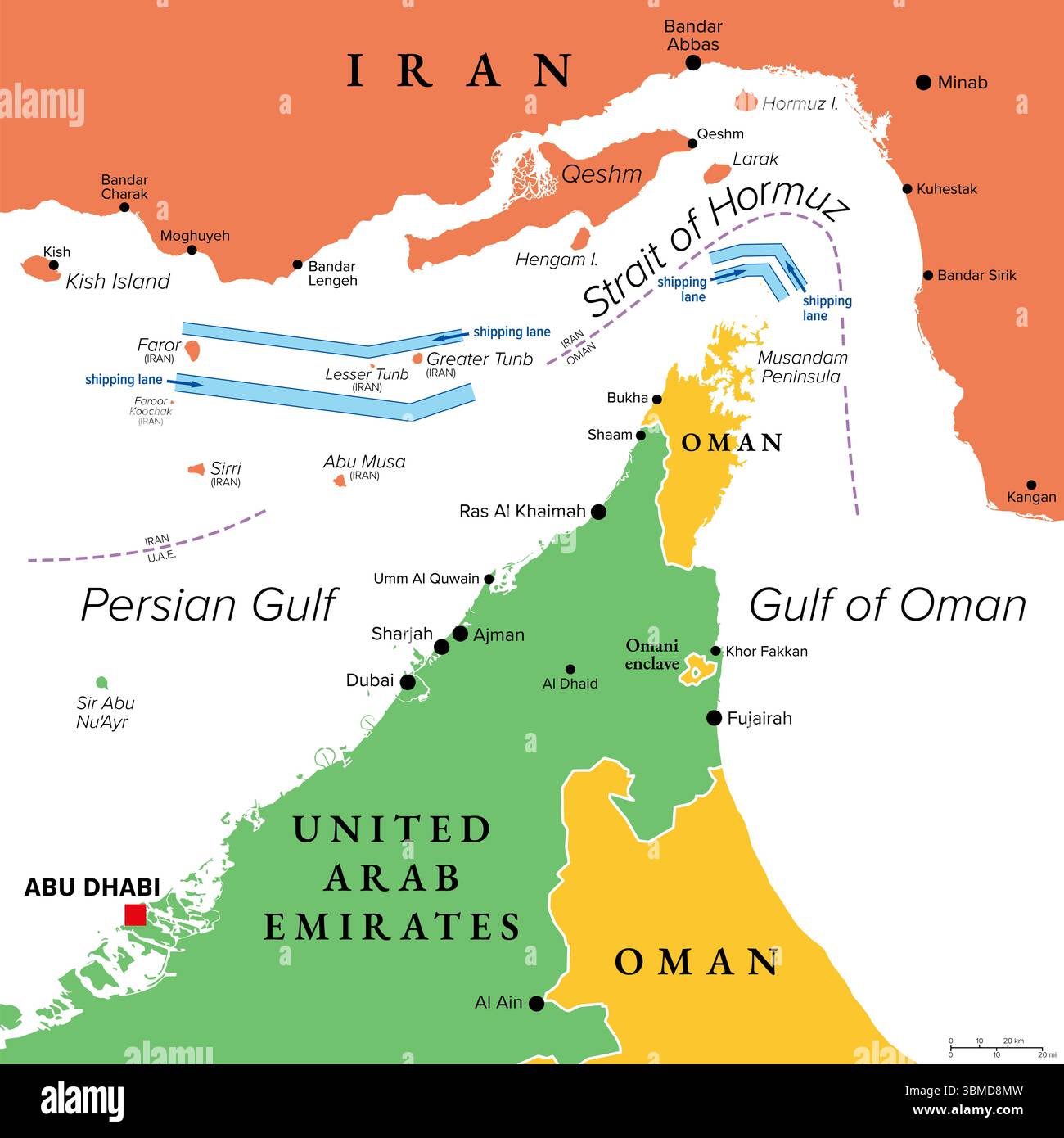
- Strait of Hormuz reopening: If the conflict escalates further, LNG flows could face another shock. Analysts at Kpler warn that a prolonged closure could push China’s April import lows to new records.
- Qatar’s export resumption: QatarEnergy has not confirmed a timeline for restarting halted shipments, though industry sources suggest technical delays (e.g., liquefaction plant maintenance) may be contributing.
- China’s policy response: The government may accelerate LNG import quotas or relax environmental restrictions on domestic gas production to further stabilize supplies.
Next checkpoint: Monitor National Bureau of Asian Research (NBR) and International Energy Agency (IEA) for June updates on Asia-Pacific LNG markets, expected June 15–20, 2026.
FAQ: China’s LNG Recovery Explained
1. Why is Qatar such a critical supplier for China?
Qatar supplied roughly 30% of China’s LNG imports in 2025, making it the single largest source. Its exports are concentrated in high-efficiency, low-cost cargoes that are harder to replace with spot-market purchases.
2. How severe is the current shortage?
China’s LNG imports in April 2026 hit an eight-year low, per Kpler, though exact volumes were not disclosed. The 30-day moving average remains ~20% below the five-year average.
3. Can China fully replace Qatari LNG?
No. While alternatives like Canadian and Nigerian LNG are being sourced, they come at higher costs and with longer lead times. Domestic production and pipeline gas can cover ~15–20% of the shortfall, but coal and renewables will likely fill the rest.
4. Will this affect global LNG prices?
Yes. China’s partial recovery reduces pressure on spot prices, but a prolonged Strait of Hormuz closure could push prices to new highs, particularly for Asian buyers with fewer alternatives.
This story is developing. Share your insights on how energy markets are adapting to these disruptions in the comments below, or follow our Business section for updates.
Related reading