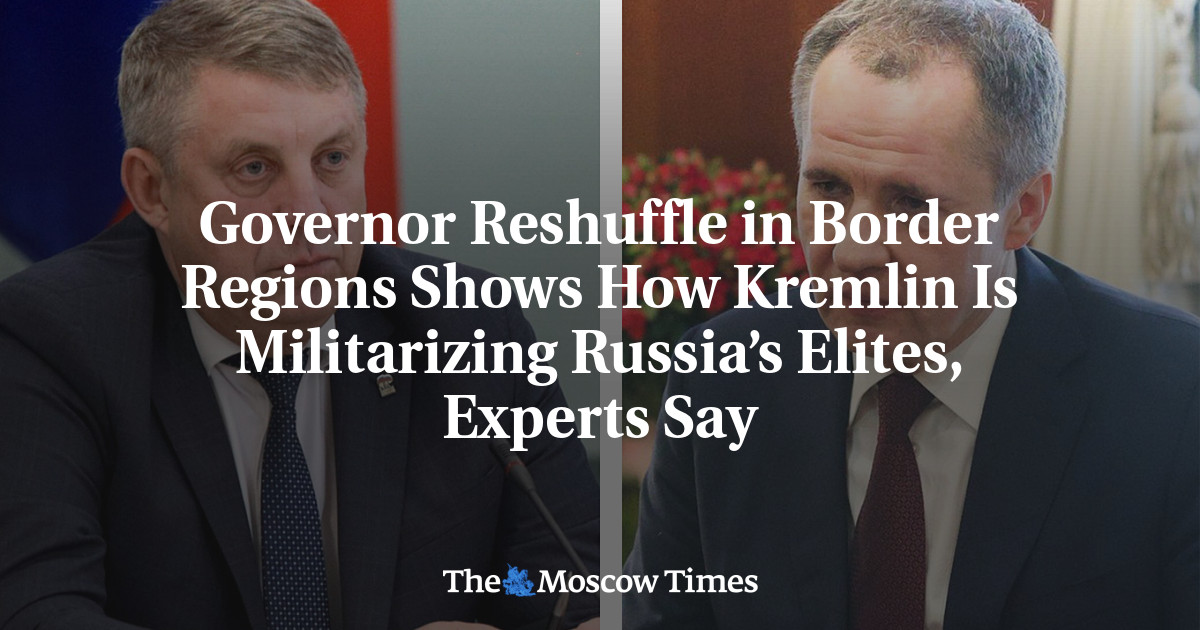
In a move that signals a deepening integration of military command and regional governance, President Vladimir Putin has announced a significant leadership reshuffle in two of Russia’s most volatile border regions. The appointments of a highly decorated army general and a former official from occupied Ukrainian territory to lead the Belgorod and Bryansk regions suggest a strategic shift toward a more militarized administrative structure in areas facing frequent cross-border instability.
The Kremlin confirmed on Wednesday that the incoming leaders will serve as interim governors, tasked with managing regions that have transitioned from peaceful borderlands into primary battlegrounds. The reshuffle follows the departures of Vyacheslav Gladkov, the governor of the Belgorod region, and Alexander Bogomaz, the governor of the Bryansk region, both of whom stepped down at their own request.
For observers of Russian domestic policy, the transition marks more than a simple change in personnel. It represents the practical application of the Kremlin’s broader effort to install “war-tested” elites into senior administrative roles, ensuring that regional governance is directly aligned with the operational requirements of the ongoing conflict in Ukraine.
A New Guard: Military and Occupation-Experienced Leaders
In the Belgorod region, President Putin has appointed Alexander Shuvaev as interim governor. Shuvaev is a highly decorated army general with extensive combat experience, having served in military campaigns in Syria, Georgia, and the North Caucasus, as well as the current war against Ukraine. A native of the Belgorod region, Shuvaev’s appointment is seen as a move to bring direct military expertise to a territory that has faced consistent strikes and security challenges.
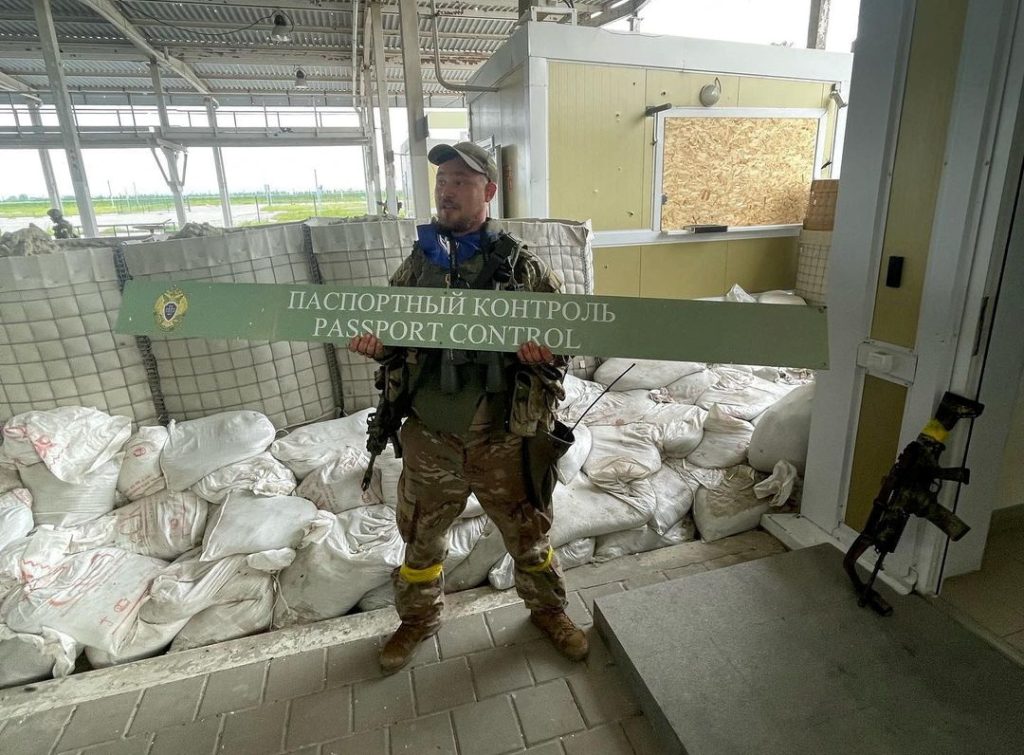
Shuvaev’s rise through the political ranks is a centerpiece of the Kremlin’s “Time of Heroes” program. This specialized initiative is designed to transition distinguished military veterans into senior government positions, effectively creating a new class of political elites whose loyalty and expertise are forged in active combat zones. Shuvaev previously served as the deputy governor of the Irkutsk region under this program, a role that prepared him for the complexities of regional administration.
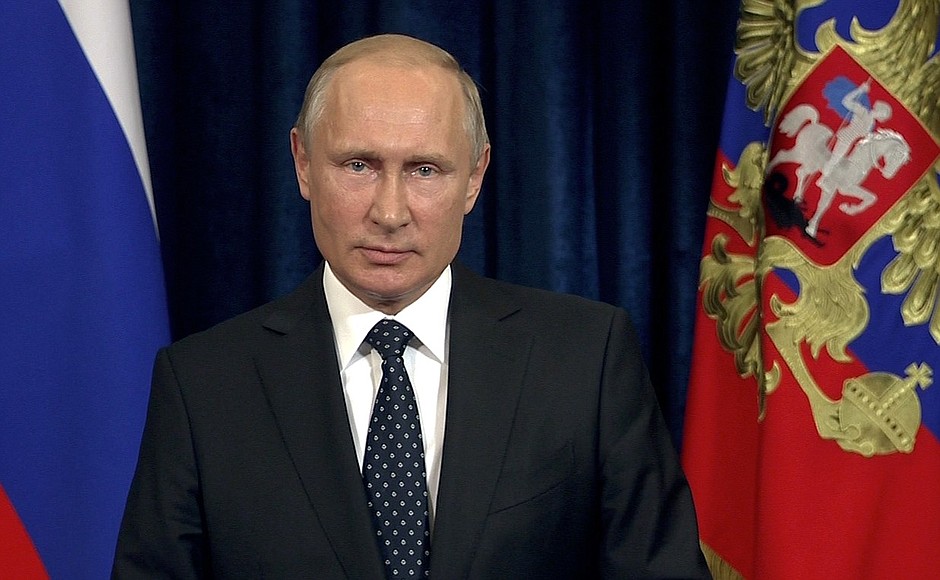
In the Bryansk region, the interim governorship has been handed to Yegor Kovalchuk. Kovalchuk brings a different, yet equally strategic, background to the role. He previously served as the head of the Russian-backed government in the Luhansk region of eastern Ukraine. With a professional background spanning both banking and administration, Kovalchuk’s appointment reflects a preference for leaders who have already operated within the administrative frameworks of territories currently under Russian control.
Following the announcement, officials reported that President Putin met with both Shuvaev and Kovalchuk at the Kremlin on Wednesday to discuss the immediate priorities for their respective regions.
The Departure of the “People’s Governors”
The exit of Vyacheslav Gladkov and Alexander Bogomaz marks the end of a specific era of regional leadership in the borderlands. Both men had led their regions since before the 2022 invasion of Ukraine and were both subject to U.S. And British sanctions.
Gladkov, in particular, had cultivated a unique public profile. Often referred to by political analysts as a “people’s governor,” he gained significant public traction through his daily social media dispatches. These updates provided residents with real-time documentation of Ukrainian strikes on Belgorod, a transparency that helped maintain public faith in the state even as the region’s security situation deteriorated. Speculation regarding his departure had been mounting since mid-April, following his announcement of an extended vacation.
The replacement of such figures with military commanders suggests that the Kremlin now prioritizes security-centric, command-and-control leadership over the more communicative, civilian-focused style that characterized the previous administration. As the border regions face increasing kinetic activity, the priority appears to have shifted from maintaining public morale through social media engagement to ensuring disciplined, military-aligned regional management.
The “Time of Heroes” and the Militarization of the State
The appointment of Shuvaev is a clear indicator of the success and expansion of the “Time of Heroes” program. This initiative is not merely a recruitment drive; it is a structural evolution of the Russian state. By channeling combat veterans into the civil service, the Kremlin is attempting to bridge the gap between the frontline military and the domestic administrative apparatus.
This strategy serves several geopolitical and domestic purposes:
- Operational Synchronization: Ensuring that regional governors can work seamlessly with military commanders during periods of heightened border tension.
- Elite Loyalty: Building a new generation of political leaders whose career trajectories are inextricably linked to the current administration’s military objectives.
- Crisis Management: Deploying leaders who are accustomed to the high-pressure environments of active conflict zones to manage regions under constant threat.
This shift suggests that the Kremlin increasingly views regional governance in border provinces not as a matter of civil administration, but as an extension of the national security architecture.
Strategic Implications for Russia’s Border Security
The Belgorod and Bryansk regions occupy a critical position in Russia’s defensive posture. As these areas continue to experience incursions and long-range strikes, the transition to military-aligned leadership is likely to result in several immediate changes in how these regions are managed.
Residents can expect an increased presence of security forces and a potential tightening of administrative controls. The “civilian” character of these borderlands is rapidly being eclipsed by a “wartime” footing. For the local populations, this means that the daily management of infrastructure, emergency services, and public safety will now be overseen by individuals whose primary training is in military command rather than traditional municipal governance.
the appointment of Kovalchuk—a man who has already managed a territory under Russian administration in Ukraine—suggests that the Kremlin is preparing for a long-term integration of these border regions into its broader wartime administrative model.
Key Takeaways: The Borderland Reshuffle
| Region | Outgoing Governor | Incoming Interim Governor | Background/Profile |
|---|---|---|---|
| Belgorod | Vyacheslav Gladkov | Alexander Shuvaev | Highly decorated army general; “Time of Heroes” veteran. |
| Bryansk | Alexander Bogomaz | Yegor Kovalchuk | Former head of Luhansk administration; banking/admin background. |
As the Kremlin continues to consolidate its control over these sensitive territories, the appointment of Shuvaev and Kovalchuk stands as a definitive marker of Russia’s transition toward a state where the distinction between civilian administration and military command is increasingly blurred.
Next Checkpoint: Monitor official Kremlin communications for the formal confirmation of the permanent status of these interim appointments and any subsequent changes to regional security protocols.
What are your thoughts on the Kremlin’s shift toward military-led regional governance? Share this article and join the conversation in the comments below.
Keep reading