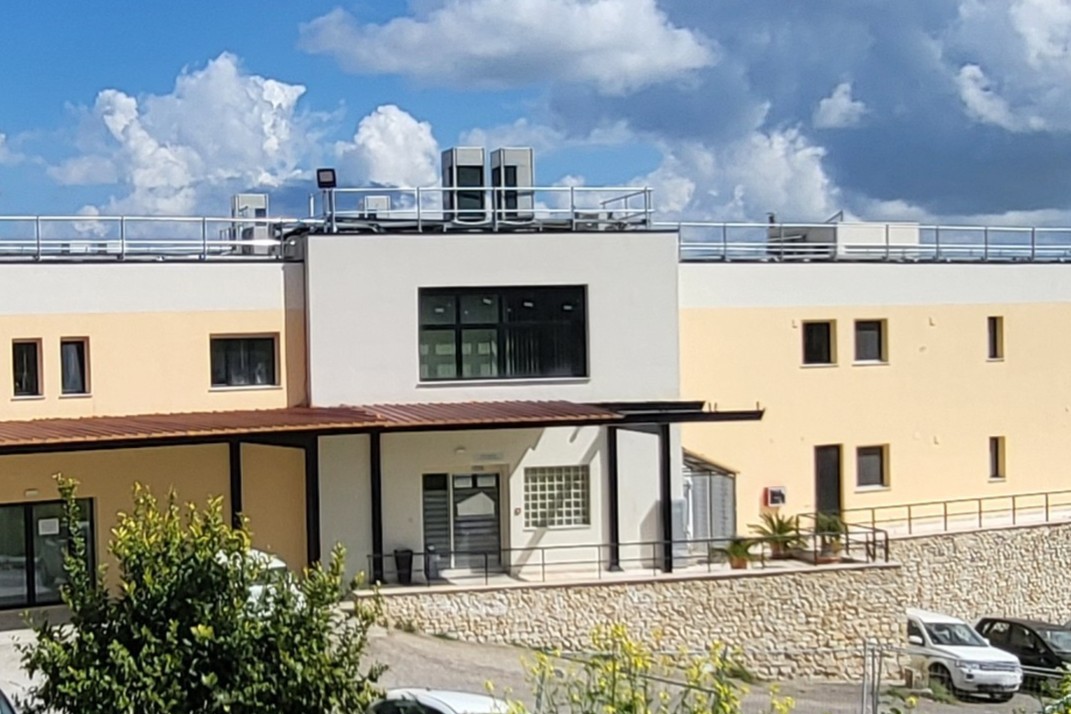
In the community of Caltanissetta, a significant bridge is being constructed between specialized clinical care and the foundational environment of the classroom. The Villa San Giuseppe rehabilitation center, a vital component of the Associazione Casa Famiglia Rosetta network, has launched an initiative to bring awareness and information regarding its comprehensive service network directly into local schools.
By conducting these targeted educational encounters, the center aims to present the full spectrum of support available through Casa Rosetta, ranging from specialized day centers to neuropsychomotor rehabilitation services. This outreach is designed to ensure that educators, students, and families are intimately familiar with the resources available for neurodevelopmental and psychosocial support within the region.
As a physician, I have long observed that the efficacy of rehabilitation is significantly enhanced when the transition between clinical intervention and daily life—specifically the school environment—is seamless. This initiative in Sicily represents a proactive step in public health, moving care from the confines of the clinic into the heart of the community.
Integrating Clinical Expertise with Educational Environments
The outreach program led by Villa San Giuseppe is not merely an informational campaign; it is a strategic effort to integrate the Associazione Casa Famiglia Rosetta’s multidisciplinary network into the social fabric of Caltanissetta. During these school visits, the organization presents its diverse array of services, which are designed to address complex psychosocial and neurodevelopmental needs.
A primary focus of these presentations is the neuropsychomotor rehabilitation center. Neuropsychomotor rehabilitation is a critical field that addresses the intersection of neurological function, motor skills, and psychological development. For children and adolescents, these services are essential for managing developmental delays, coordinating physical movements, and supporting cognitive processing—all of which are fundamental to academic success and social integration.
Beyond specialized rehabilitation, the initiative highlights other pillars of the Casa Rosetta network, including:
- Day Centers: Providing structured environments for social engagement and therapeutic support.
- Psychosocial Services: Addressing the mental health and emotional well-being of individuals navigating developmental or social challenges.
- Community-Based Care: Ensuring that the transition from intensive rehabilitation to community living is supported by a robust network of local resources.
The Public Health Imperative: Why School Outreach Matters
From a public health perspective, bringing healthcare information into schools is one of the most effective ways to promote early intervention. Schools are often the first place where subtle neurodevelopmental or psychosocial issues are identified by trained educators. When these professionals are equipped with knowledge about available local services, the pathway from “observation” to “support” becomes significantly shorter.
Early identification of neuropsychomotor needs can fundamentally alter a child’s developmental trajectory. By presenting the services of Villa San Giuseppe and the broader Casa Rosetta network to the school community, the organization is helping to:
1. Destigmatize Neurodiversity: By educating students and staff about the nature of rehabilitation and neurodevelopmental support, the initiative fosters an environment of empathy and understanding rather than isolation.
2. Empower Educators: Teachers are on the front lines. Understanding the specific capabilities and resources of local rehabilitation centers allows them to better support students with diverse learning and physical needs.
3. Support Families: Navigating the healthcare system can be overwhelming for parents. Direct access to information about day centers and rehabilitation paths provides families with a clear roadmap for seeking help.
Understanding Neuropsychomotor Rehabilitation
To understand the value of the Villa San Giuseppe program, it is helpful to define the core service being promoted. Neuropsychomotor rehabilitation involves a multidisciplinary team—often including physiotherapists, occupational therapists, and psychologists—working together to improve the way the brain communicates with the body.
In a school setting, a student struggling with motor coordination, sensory processing, or executive function may appear “disruptive” or “unfocused.” However, these are often symptoms of underlying neurodevelopmental challenges. The services provided by Casa Rosetta aim to address these root causes, providing the tools necessary for students to engage more effectively with their curriculum and their peers.
Key Takeaways: The Impact of the Casa Rosetta Initiative
| Focus Area | Objective | Target Audience |
|---|---|---|
| Service Awareness | Presenting the network of day centers and rehab facilities. | Students, Parents, and Teachers. |
| Early Intervention | Identifying neurodevelopmental needs through school observation. | Educators and School Administrators. |
| Social Integration | Reducing stigma around neuropsychomotor and psychosocial support. | The broader student body. |
| Resource Connectivity | Bridging the gap between clinical care and the classroom. | Families and Local Health Authorities. |
This initiative underscores a growing trend in modern healthcare: the move toward “community-based” models. Rather than waiting for patients to seek out specialized centers, organizations like Associazione Casa Famiglia Rosetta are meeting the community where they live, learn, and grow.

For the residents of Caltanissetta, the presence of Villa San Giuseppe within the school system provides a sense of security. It signals that the support required for a child’s holistic development is not a distant clinical possibility, but a local, accessible reality.
As this program continues to roll out across the region, we will continue to monitor its impact on local educational outcomes and community health integration.
Stay Informed: We encourage readers to follow local updates from the Caltanissetta health authorities and the Associazione Casa Famiglia Rosetta for further developments regarding school-based health programs.
What are your thoughts on bringing specialized healthcare awareness directly into schools? Do you believe this model should be expanded globally? Share your comments and insights below.
Keep reading