RALEIGH, North Carolina — North Carolina educators are signaling deep dissatisfaction with a preliminary state budget agreement, warning that the current proposal fails to address critical shortages in both teacher compensation and essential classroom resources. As the state moves toward finalizing its fiscal roadmap, the disconnect between legislative spending and the lived reality of public school classrooms has become a central point of contention.
The reaction from the teaching community follows the emergence of a preliminary consensus on the state budget, which aims to balance various departmental needs. However, many educators argue that the consensus overlooks the systemic “deficiencies” that have plagued North Carolina classrooms for years. These grievances center on two primary pillars: the need for competitive salary increases to combat teacher attrition and the urgent requirement for direct funding to replenish dwindling classroom supplies and instructional materials.
For many professionals in the North Carolina public school system, the debate is not merely about incremental raises, but about the fundamental viability of their roles. The push for reform comes at a time when many districts are struggling to maintain adequate staffing levels, a trend that educators link directly to the state’s historical difficulty in offering compensation that keeps pace with inflation and the rising cost of living in the Southeast.
The Crisis of Classroom Deficiencies
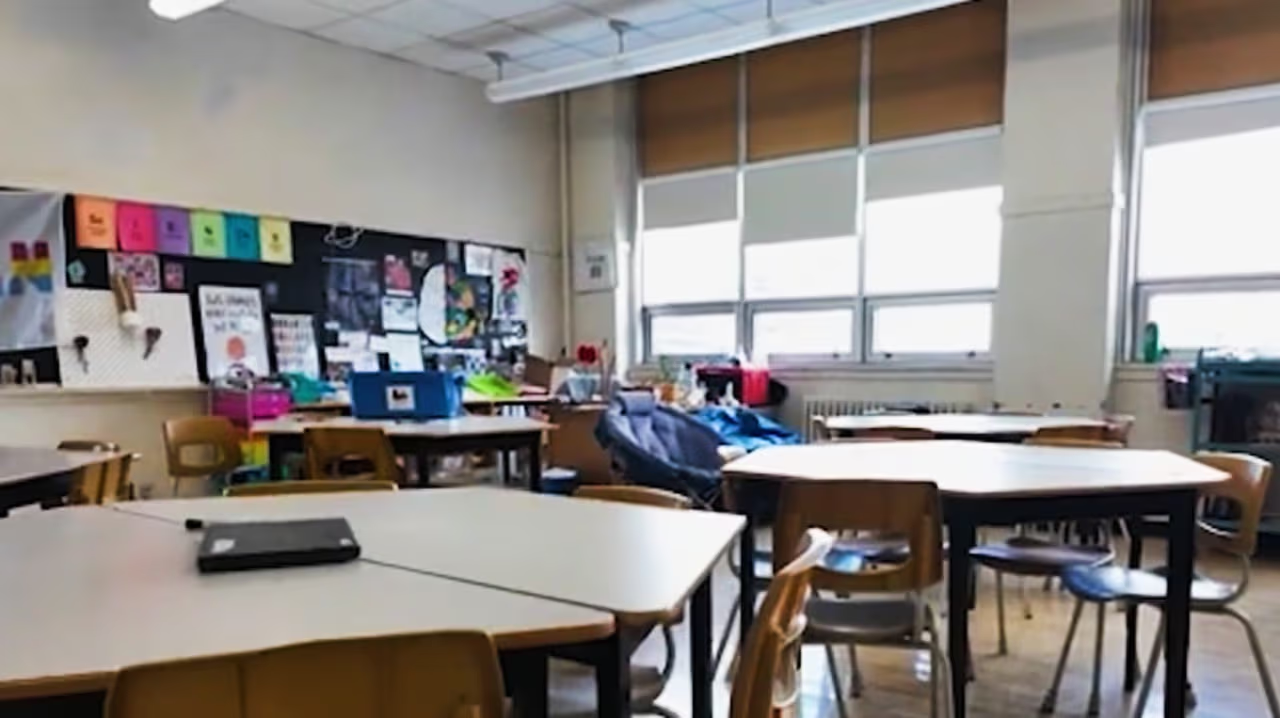
When educators speak of “deficiencies” in the classroom, they are referring to a multifaceted lack of resources that extends beyond simple stationery. According to various teacher advocacy groups, these gaps include a shortage of specialized instructional staff, aging technological infrastructure, and a lack of basic physical supplies that often fall to teachers to purchase out-of-pocket.

The financial burden on individual teachers has become a significant point of friction. In many North Carolina districts, educators report spending hundreds, and sometimes thousands, of dollars of their own earnings annually to ensure their students have access to necessary learning tools. This “hidden tax” on educators is viewed by many as a primary driver of burnout and the ongoing teacher shortage across the state.
Beyond physical supplies, the resource gap also manifests in classroom environments. High student-to-teacher ratios and a lack of support personnel—such as aides and counselors—have created an environment where teachers feel they are constantly reacting to crises rather than proactively delivering instruction. This lack of structural support is a core component of the demands being presented to the state legislature.
A Push for Competitive Teacher Salaries
The most prominent demand from North Carolina’s educator community is a significant adjustment to the state’s salary scales. While recent budget discussions have included various forms of educator pay increases, many teachers argue these measures have been insufficient to stabilize the workforce.
The argument for higher North Carolina teacher salaries is rooted in the necessity of teacher retention. As neighboring states implement more aggressive compensation packages to attract and keep qualified staff, North Carolina faces the risk of a “brain drain” in its education sector. Advocates point out that to maintain a high standard of public education, the state must offer a wage that reflects the professional complexity and the high level of responsibility required by the role.
the impact of inflation has significantly eroded the purchasing power of current educator pay scales. For many teachers, a modest cost-of-living adjustment is seen as a baseline requirement rather than a significant benefit. The demand is for a structural shift in how the state values its teaching workforce, moving toward a model that provides long-term financial stability and more robust benefits packages.
Navigating the North Carolina Education Budget
The North Carolina General Assembly is currently tasked with the complex process of reconciling these educator demands with the state’s overall fiscal priorities. The North Carolina education budget is one of the most heavily scrutinized components of the state’s financial planning, as it directly impacts the quality of life for millions of students and their families.
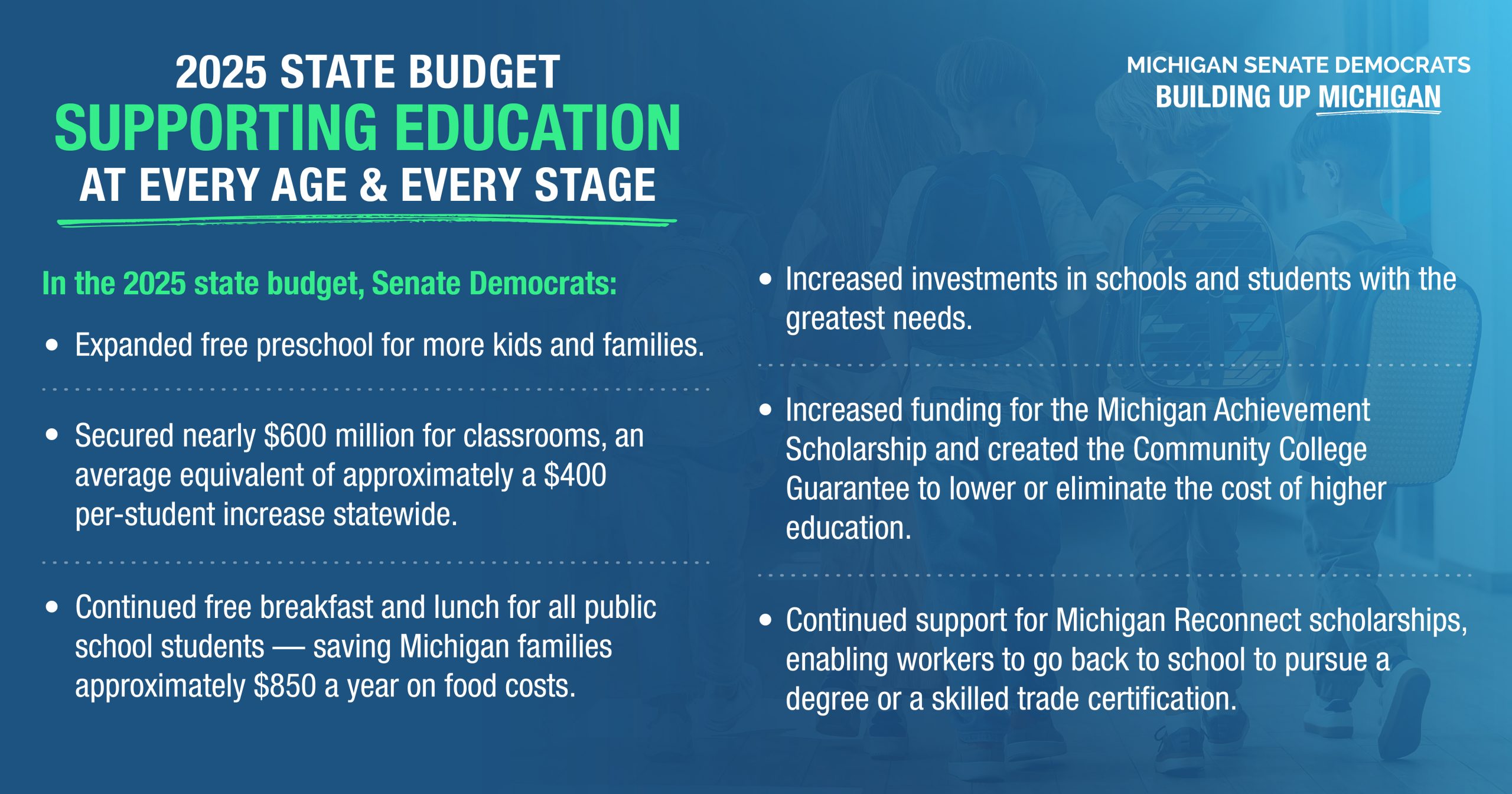
Legislative discussions have frequently focused on the tension between funding traditional K-12 education and managing other state-level expenditures. While the preliminary agreement reflects a commitment to maintaining current education levels, it has not yet satisfied the calls for the transformative funding that many educators believe is necessary to solve the resource and salary crisis.
The upcoming finalization of the budget will serve as a litmus test for the state’s commitment to its public school system. Stakeholders are closely watching how the legislature addresses the specific requests for:
- Enhanced Base Pay: Substantial increases to the starting and mid-career salary tiers.
- Classroom Supply Grants: Dedicated funds to reduce the out-of-pocket burden on teachers.
- Staffing Support: Increased funding for paraprofessionals, counselors, and specialized educators to lower student-to-teacher ratios.
- Retention Incentives: Programs designed to reward and keep experienced educators within the state’s public school system.
Key Takeaways: The North Carolina Education Funding Dispute
| Issue Area | Educator Demand | Current Status/Context |
|---|---|---|
| Compensation | Substantial, inflation-adjusted salary increases. | Preliminary agreements offer modest increases, which critics call insufficient. |
| Classroom Resources | Direct funding for supplies and instructional tools. | Teachers continue to report high out-of-pocket spending for essentials. |
| Staffing Levels | Increased funding for aides, counselors, and specialists. | Ongoing teacher shortages remain a critical challenge in many districts. |
| Retention | Long-term financial stability and competitive benefits. | Risk of losing qualified staff to higher-paying neighboring states. |
The Long-Term Impact on Students
At the heart of this budgetary struggle is the potential impact on student outcomes. Educational experts warn that when teachers are undercompensated and classrooms are under-resourced, the quality of instruction inevitably suffers. The “deficiencies” cited by teachers are not just professional inconveniences; they are barriers to student achievement.

A revolving door of educators, driven by low pay and high stress, disrupts the continuity of learning that is essential for student success. When teachers must spend time and energy sourcing basic supplies, that time is taken away from lesson planning and individual student engagement. The cumulative effect of these stressors is a classroom environment that is less conducive to the academic and social development of North Carolina’s youth.
As the debate continues, the pressure on the North Carolina General Assembly to move beyond “incrementalism” and toward “investing” is mounting. The outcome of these negotiations will likely shape the landscape of the state’s education system for years to come.
Next Checkpoint: The final vote and passage of the North Carolina state budget by the General Assembly is expected in the coming weeks. Further updates will be provided as official figures and final legislative decisions are released.
What are your thoughts on the current state of education funding in North Carolina? Do you believe the proposed budget addresses the needs of our classrooms? Share your views in the comments below and share this article to keep the conversation going.