
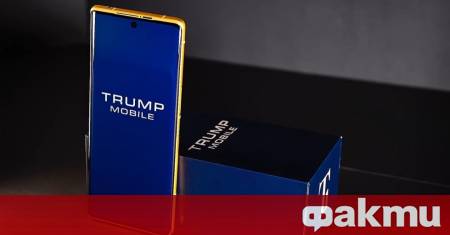
The intersection of political branding and luxury consumer electronics has long been a volatile space, but few ventures have sparked as much confusion and frustration as the reported rollout of the “golden” smartphone associated with Donald Trump. For months, a segment of loyal supporters and luxury tech enthusiasts have waited for a device that promised more than just connectivity—it promised a symbol of status and political alignment.
However, the journey from the initial announcement to the actual delivery of the Trump golden smartphone has been characterized by significant delays, missing shipments, and a growing chorus of dissatisfied customers. While some recent reports suggest that deliveries are finally beginning to reach consumers, the rollout has been marred by a lack of transparency regarding the product’s origin and the security of the deposits paid by early adopters.
As a business analyst and journalist, I have observed that celebrity-branded hardware often struggles to bridge the gap between marketing hype and supply chain reality. In this case, the “golden phone” serves as a cautionary tale about the risks inherent in pre-ordering niche electronics, particularly when the manufacturing details are opaque and the delivery timelines are repeatedly pushed back.
The Promise of the “Golden” Device
The marketing for the Trump-branded smartphone leaned heavily into themes of exclusivity and patriotism. Positioned as a luxury alternative to mainstream devices, the phone was touted not only for its aesthetic appeal—highlighted by its gold finish—but also as a tool for those seeking an alternative to the perceived biases of major tech conglomerates.

For many, the appeal was not the hardware specifications, but the brand. In the world of celebrity licensing, the value proposition is rarely about the processor speed or camera resolution; it is about the identity the product confers upon the owner. By accepting deposits for a “golden” device, the venture tapped into a high-intent consumer base willing to pay a premium for a perceived connection to a political figure.
Yet, the transition from a marketing campaign to a physical product is where the venture began to falter. In the consumer electronics industry, the period between taking deposits and shipping units is the “danger zone.” If a company lacks a robust manufacturing partner or fails to secure a stable supply chain, these deposits can become a liability rather than an asset.
Delivery Delays and Consumer Frustration
The timeline for the Trump golden smartphone has been erratic. Initial promises of a swift rollout were quickly replaced by months of silence and delayed shipping dates. For many who paid deposits, the experience has been one of “empty hands,” with little to no communication from the sellers regarding the status of their orders.
Recent reports indicate that some shipments are finally moving, but the experience remains inconsistent. The discrepancy between those receiving their devices and those still waiting has led to accusations of mismanagement. When a product is marketed as a luxury item, the expectation for customer service and delivery precision is significantly higher than it is for mass-market goods.
This pattern of “deposit-first, product-later” is a recurring theme in high-risk tech ventures. When consumers pay for a product that does not yet exist in a shippable state, they are essentially providing an interest-free loan to the company. If the company encounters production hurdles, the consumer bears all the risk, often with little legal recourse unless they can prove intentional fraud.
The Manufacturing Mystery: Where is it Made?
One of the most contentious points surrounding the Trump golden smartphone is its origin. While the branding of the product often aligns with “America First” rhetoric, reports have surfaced suggesting that the device is not manufactured within the United States. This contradiction has created a narrative clash: a product marketed to patriots that may be produced in overseas factories.

In the global electronics market, almost all smartphones are assembled in Asia due to the concentration of component suppliers and specialized labor. However, when a product is marketed with a strong nationalistic identity, the “Made in USA” claim becomes a critical part of the value proposition. When that claim is found to be inaccurate or misleading, it erodes the trust of the target audience.
The lack of a transparent Bill of Materials (BOM) or a confirmed manufacturing partner has led critics to speculate that the device may be a “white-label” product—a generic smartphone manufactured by a third party and rebranded with a gold shell and celebrity logos. While Here’s a common practice in celebrity licensing, the failure to be transparent about this process often leads to consumer backlash when the product’s quality does not match the luxury price tag.
The Risks of Pre-Order Deposits in Celebrity Tech
The saga of the Trump golden smartphone highlights a broader systemic risk in the “vanity tech” market. From celebrity-backed crypto wallets to branded hardware, the trend of leveraging a famous name to secure early funding is pervasive. However, the lack of institutional oversight in these niche ventures often leaves consumers vulnerable.

From an economic perspective, the use of deposits to fund production is a high-risk strategy. If the cost of production rises or the supply chain breaks, the company may find itself unable to fulfill orders despite having already spent the deposit money. For the consumer, the primary protection is the ability to dispute charges through their financial institution, though this becomes more difficult as time passes.
To protect themselves, consumers should be wary of any high-priced electronic device that requires a significant deposit without providing a clear, legally binding delivery date or a detailed specification sheet. The Federal Trade Commission (FTC) provides guidelines on consumer rights regarding mail-order and pre-order shipments, emphasizing that companies must generally ship products within the promised timeframe or offer a full refund.
Key Takeaways for Consumers
- Verify the Manufacturer: Be skeptical of “exclusive” tech that does not name its manufacturing partner or provide detailed hardware specifications.
- Check the “Made In” Claims: In the smartphone industry, “Made in USA” is extremely rare. Verify these claims through official filings or independent audits.
- Use Secure Payment Methods: Always use credit cards or payment services that offer robust buyer protection and dispute mechanisms for non-delivery of goods.
- Avoid “Hype” Deposits: Be cautious of products that rely heavily on celebrity association rather than technical innovation to drive pre-orders.
Business Analysis: The Licensing Model Failure
The struggle to deliver the golden smartphone reflects a failure in the licensing model. In a successful licensing agreement, the celebrity provides the brand equity, and a professional electronics firm handles the engineering, manufacturing, and logistics. When the “brand” side of the partnership overrides the “operational” side, the result is often a product that arrives late, underperforms, or never arrives at all.

For a product to succeed in the competitive smartphone market, it must offer either a technical advantage (like the iPhone’s ecosystem) or a genuine luxury experience (like Vertu’s concierge services). A gold-colored shell on a generic Android device is rarely enough to sustain a luxury brand over the long term, especially when the delivery process is dysfunctional.
The economic fallout of this rollout is not just financial but reputational. For the brand associated with the phone, the failure to deliver a promised product can alienate a core base of supporters who feel misled. In the luxury market, reliability is the ultimate currency; once that is spent, it is nearly impossible to earn back.
As we move forward, the industry will likely see more attempts to merge political identity with consumer hardware. However, unless these ventures prioritize supply chain integrity over marketing slogans, they will continue to face the same pitfalls as the golden smartphone: delayed shipments, confused customers, and a gap between the promise and the product.
The next critical checkpoint for this venture will be the volume of confirmed deliveries over the coming weeks and whether the company addresses the concerns regarding the device’s manufacturing origins. Until a transparent audit of the supply chain is provided, consumers should remain cautious.
Do you believe celebrity-branded tech is a viable business model, or is it primarily a marketing exercise? Share your thoughts in the comments below.