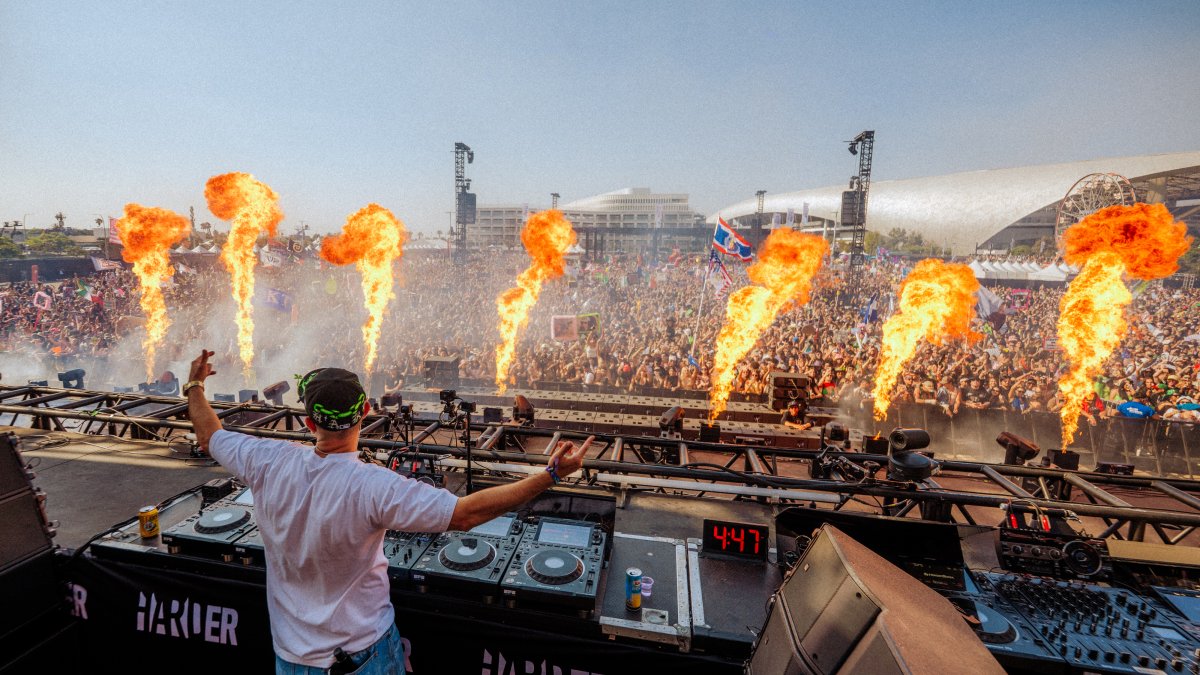
The electronic dance music (EDM) landscape is witnessing a significant shift in representation and sound as the 30th edition of the Electric Daisy Carnival (EDC) descends upon the Las Vegas Motor Speedway this weekend. Among the hundreds of artists scheduled for the sold-out, three-day event—which is expected to attract approximately 500,000 attendees—is Edgar Avalos, known professionally as Bolo The DJ.
For Avalos, the performance represents a meteoric rise from the intimate nightlife scene of Southern California to one of the most prestigious stages in global music. His ascent is not merely a personal victory but a reflection of the growing commercial viability and cultural demand for “Latin House,” a sub-genre that blends traditional Latino musical elements with the driving rhythms of house and techno.
From his roots in Napa Valley to establishing a foothold in the San Diego dance community, Bolo’s trajectory highlights the intersection of artistic passion and entrepreneurial ambition. As the founder of his own record label, he is now leveraging his platform to lower the barriers of entry for other Latino artists in an industry often characterized by high exclusivity.
From San Diego Bars to the Global Stage
Bolo’s journey to the Las Vegas Motor Speedway began with a strategic move during the 2020 pandemic, when he relocated from Napa Valley to San Diego. It was in this coastal hub that he found a supportive ecosystem of artists and enthusiasts. Avalos noted that the presence of community—specifically within the Chicano and broader dance circles—was pivotal to his early development, providing essential support in the form of bookings and stylistic validation.
The transition from local venues to international festivals has been rapid. Reflecting on his growth, Bolo stated, “It just blows my mind because I mean, just a couple of years ago, we were over here doing super small bars down in Downtown San Diego. Now, being able to play on one of the biggest stages in the world, like EDC, for example. I’m super honored, I’m super grateful.”
This weekend, he joins a lineup featuring industry heavyweights such as Steve Aoki and John Summit, marking a milestone in his career that validates his unique sonic approach.
View this post on Instagram A post shared by BOLO (@bolothedj)
The Rise of Latin House and Cultural Representation
The emergence of “Latin House” as a distinct and popular sub-genre is driven by a need for greater representation within the EDM community. Avalos observed a lack of Latino DJs during his college years, a gap that inspired him to synthesize his cultural heritage with electronic production. This blend of house and techno with Latino influences has resonated with a global audience, helping to diversify the sonic palette of major festivals.

The impact of this shift is evident in the increasing number of Latino artists appearing on major festival lineups. “I’m excited that nowadays there is a lot more representation of Latinos on the lineups, which is a super substantial blessing. It’s just a step in the right direction,” Bolo said. “Our community is growing every single day, and I’m just excited to be able to be someone to represent the community.”
This trend is not only a cultural win but a business opportunity, as festivals seek to tap into the massive, passionate Latino demographic that has historically been underserved in the mainstream EDM circuit.
Vibraza Records: An Entrepreneurial Approach to Art
Recognizing the systemic challenges facing emerging artists, Bolo expanded his influence beyond the DJ booth by launching Vibraza Records early last year. The label serves as a business incubator and platform designed specifically to support younger Latino artists who may find the music industry intimidating or inaccessible.
The objective of Vibraza Records is to provide the resources and professional outlets necessary for artists to scale their reach. “The vision was to try to create a platform and just to help younger Latino artists because it is a very intimidating industry,” Bolo explained. “If I was able to kind of create a platform or provide an outlet for people to access some of the resources that we have now, I was happy to do so.”
By controlling the means of production and distribution through his own label, Avalos is applying a vertical integration strategy to his career, ensuring that the growth of the Latin House genre is sustainable and inclusive.
Market Traction and Streaming Success
The commercial viability of Bolo’s sound is backed by significant data. According to Insomniac Events, the organizers of EDC, Bolo surpassed 1.5 million streams on Spotify in 2025. This growth was propelled by original tracks such as “El Techno” and “Vamonos De Fiesta,” which have become staples of his high-energy sets.
This digital momentum translated into a rigorous touring schedule in 2025, which saw him perform at some of the most renowned venues and festivals in the United States, including Lollapalooza and HARD Summer. These appearances have solidified his reputation as a rising force in the electronic music market, moving him from a regional favorite to a national act.
Looking ahead, Bolo continues to expand his geographic footprint. Following the conclusion of the EDC festivities in Las Vegas, he is scheduled to perform at the Baja Beach Fest in Rosarito, Baja California, in August.
As the music industry continues to evolve, the success of artists like Bolo The DJ underscores the power of cultural authenticity and entrepreneurial initiative. By blending heritage with modern technology and creating infrastructure for others through Vibraza Records, Avalos is helping to redefine the boundaries of the EDM world.
For those following the development of Latin House or the growth of independent record labels in the electronic space, Bolo’s trajectory provides a blueprint for navigating the modern music economy.
What are your thoughts on the rise of Latin House in the global EDM scene? Share your comments below or share this story with your network.