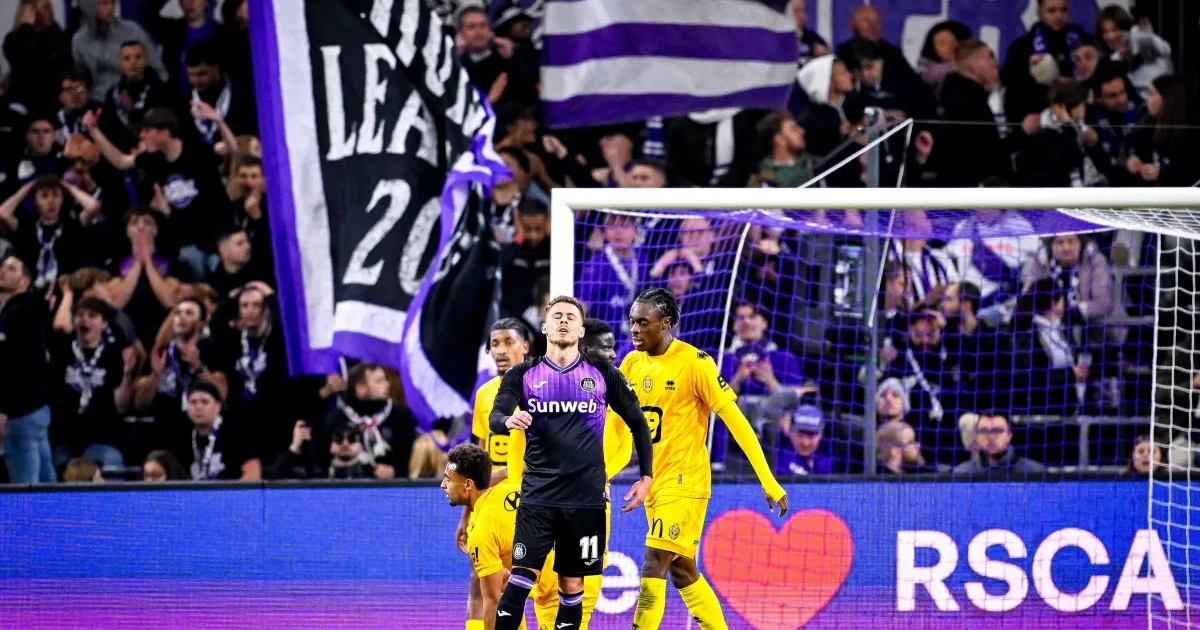
The atmosphere surrounding RSC Anderlecht has shifted from the usual roar of passion to a heavy, expectant silence. In a move that signals a deepening rift between the supporters and the club’s current trajectory, a “red alert” has effectively been issued by segments of the fanbase, with reports indicating a coordinated effort to withhold the vocal support that typically defines the experience at Lotto Park.
This brewing RSC Anderlecht fan unrest comes at a critical juncture for the Brussels-based club. Following a disappointing exit from the Belgian Cup, the relationship between the stands and the boardroom has reached a breaking point. For a club of Anderlecht’s stature—one of the most successful in Belgian history—the threat of a silent stadium is more than a mere protest; it is a psychological blow to a squad already struggling to maintain consistency in the Belgian Pro League.
The tension is not merely about a single result, but a cumulative frustration regarding the club’s management and the perceived decline in competitive ambition. As the team prepares for its upcoming clash against KV Mechelen, the players find themselves caught in the crossfire of a power struggle between the supporters and the administration, where the primary weapon of the fans is the absence of their voice.
The situation has been further complicated by recent disciplinary issues and security concerns. The club has recently had to address incidents of volatility among its followers, creating a paradoxical environment where the administration is simultaneously condemning fan violence while the fans are protesting the administration’s leadership.
The Strategy of Silence: A Protest of Absence
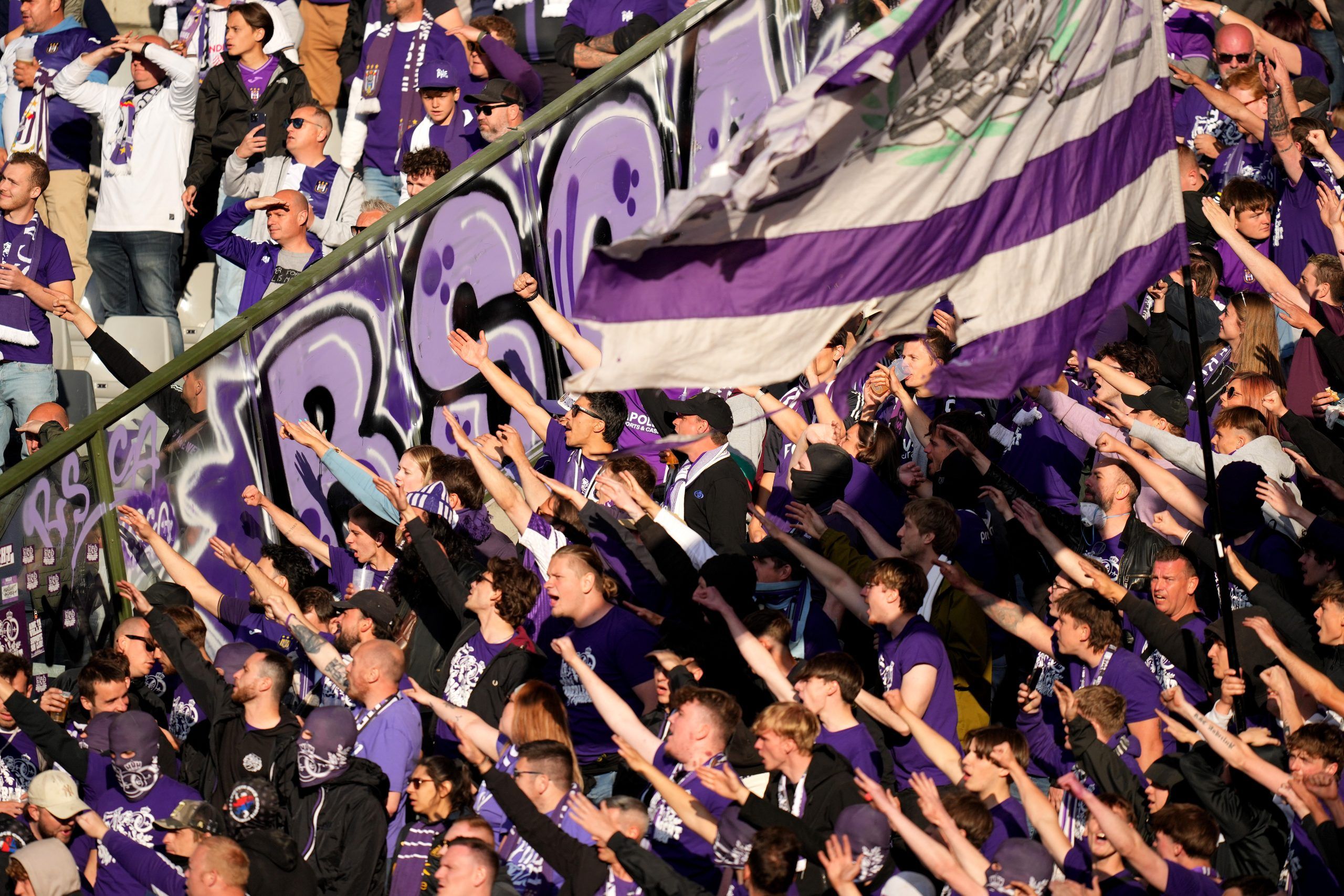
In European football culture, particularly within the Belgian Pro League, the “silent protest” is one of the most potent tools available to organized supporter groups. Unlike booing or chanting slogans of dissent, which still provide a form of energy and engagement, a total lack of atmosphere—no singing, no cheering, and no rhythmic drumming—creates an eerie vacuum that can unsettle players and amplify the pressure on the coaching staff.
This specific wave of unrest is described by local observers as a “red alert” phase. The intent is to make the club’s leadership feel the tangible loss of the “twelfth man.” When the stands go quiet, the void is filled by the anxiety of the players and the stark reality of the club’s current instability. This tactic is often employed when fans feel that traditional protests, such as banners or open letters, have been ignored by the board.
The psychological impact of such a protest cannot be overstated. Football is a game of momentum, and the emotional surge provided by a home crowd often masks tactical deficiencies or provides the necessary spark for a comeback. By removing this element, the supporters are effectively stripping the team of its home-field advantage, forcing the players and management to confront the technical and structural failures of the project without the buffer of crowd enthusiasm.
Fallout from the Belgian Cup Exit
The catalyst for the current volatility was the club’s premature departure from the Belgian Cup. For the supporters, the cup represents a direct path to silverware and a benchmark for the club’s prestige. A “cup blow” of this magnitude is rarely viewed in isolation; instead, it is seen as a symptom of a broader systemic failure.
The exit has left a void in the season’s objectives, leaving the club to rely solely on its league campaign to salvage a sense of success. However, the manner of the exit—and the perceived lack of resilience shown by the team—has fueled the narrative that the current project lacks the “DNA” of the great Anderlecht teams of the past. This perceived loss of identity is a recurring theme in the current unrest, as fans demand a return to the dominance that once defined the club in both Belgium, and Europe.
the exit from the tournament stripped the club of a significant revenue stream and a high-profile platform to rebuild trust with the public. The intersection of sporting failure and financial pressure often creates the perfect storm for supporter volatility, as fans begin to question whether the investment in the squad is yielding the promised returns.
Addressing Violence and Supporter Relations
While the current protest focuses on silence, the broader context of supporter relations at Anderlecht has been marred by recent instability. The club has been forced to take a hard line against vandalism and chaos, emphasizing that while dissent is acceptable, violence is not. In recent statements, the club has firmly condemned incidents of damage and disorder, signaling a desire to reclaim the safety and family-friendly nature of the matchday experience.
This creates a complex dynamic. The administration is attempting to project an image of order and discipline, while the fans feel that the club is more concerned with the “image” of the institution than the “soul” of the football. When a club condemns its fans for violence while the fans are protesting the club for failure, the result is often a cycle of mutual distrust.
The challenge for the leadership now is to find a way to bridge this gap. Security measures can stop vandalism, but they cannot manufacture passion. To resolve the RSC Anderlecht fan unrest, the club must address the root causes of the dissatisfaction—performance on the pitch and transparency in the boardroom—rather than relying solely on disciplinary actions.
The KV Mechelen Test: A High-Stakes Encounter
The upcoming fixture against KV Mechelen serves as the immediate litmus test for the club’s stability. For the players, the match is an opportunity to “flush away” the bitterness of the cup loss with a convincing victory. For the fans, it is the first major opportunity to execute their strategy of silence.
KV Mechelen arrives at Lotto Park knowing that the home side is emotionally fragile. In football, a fractured relationship between a team and its fans is an advantage for the opposition. If the stadium remains silent, the Mechelen players may find it easier to settle into their rhythm, while the Anderlecht players may feel the weight of every mistake magnified by the oppressive quiet of their own supporters.
Tactically, the match will require the manager to motivate a squad that is acutely aware of the hostility—or lack of support—surrounding them. The focus will be on whether the team can maintain their composure and deliver a professional performance despite the atmospheric tension. A victory could potentially thaw the ice between the fans and the team, but a poor result in such a volatile environment could accelerate the crisis.
Key Takeaways
- Supporter Protest: Fans are coordinating a “silence protest” at Lotto Park to express dissatisfaction with club management.
- Cup Catalyst: A disappointing exit from the Belgian Cup has intensified the rift between the supporters and the administration.
- Disciplinary Tension: The club is balancing the need to condemn fan violence with the need to address deep-seated supporter unrest.
- Immediate Stakes: The match against KV Mechelen is viewed as a critical opportunity for the team to stabilize its season and regain fan trust.
What Happens Next?
The trajectory of this crisis will depend largely on the results of the next few fixtures and the willingness of the club’s leadership to engage in meaningful dialogue with supporter representatives. If the silence persists, the pressure on the coaching staff and the executive board will become nearly unsustainable, potentially leading to structural changes within the club.
The next confirmed checkpoint for the club is the post-match analysis following the KV Mechelen encounter, where the impact of the fan protest will be fully assessed. This match will determine whether the “red alert” phase leads to a necessary correction in the club’s direction or further alienates a fanbase that is already on the edge.
We want to hear from you. Do you believe a “silence protest” is an effective way for fans to influence club management, or does it only hurt the players on the pitch? Share your thoughts in the comments below.
Related reading