European financial markets opened lower on Monday, May 18, 2026, as investors reacted to escalating geopolitical tensions—particularly the latest warnings from U.S. President Donald Trump regarding Iran. The combination of heightened regional risks and persistent concerns over global economic stability triggered a wave of risk-off trading, with European stocks, bonds, and currencies all feeling the pressure. While no immediate military confrontation has materialized, the rhetoric has sent shockwaves through markets already jittery over inflation, rising interest rates, and the lingering fallout from the Andes hantavirus cruise ship outbreak that disrupted travel and supply chains last month.
The European Commission’s recent moves—such as expanding support for workers facing job losses and tightening health protocols for cross-border travel—have done little to calm investor nerves. Meanwhile, the U.S. Administration’s tough stance on Iran, including potential sanctions and military posturing, has added a new layer of uncertainty. Analysts warn that without concrete diplomatic breakthroughs, the volatility could persist, particularly in sectors tied to energy, defense, and financial services.
This article examines the market reaction, the underlying geopolitical drivers, and what investors should watch next as Europe navigates a delicate balance between economic recovery and security threats.
European Markets Tumble on Trump’s Iran Threats: What Investors Need to Know
European stock indices opened sharply lower on Monday, with the STOXX Europe 600 down by approximately 1.2% in early trading, according to Bloomberg Markets data. The Euro Stoxx 50, representing the region’s largest companies, also declined by around 1.1%, reflecting broad-based selling across sectors. Bond markets were not spared, with German 10-year bund yields rising slightly—though still hovering near historic lows—as investors sought safer assets amid the uncertainty.
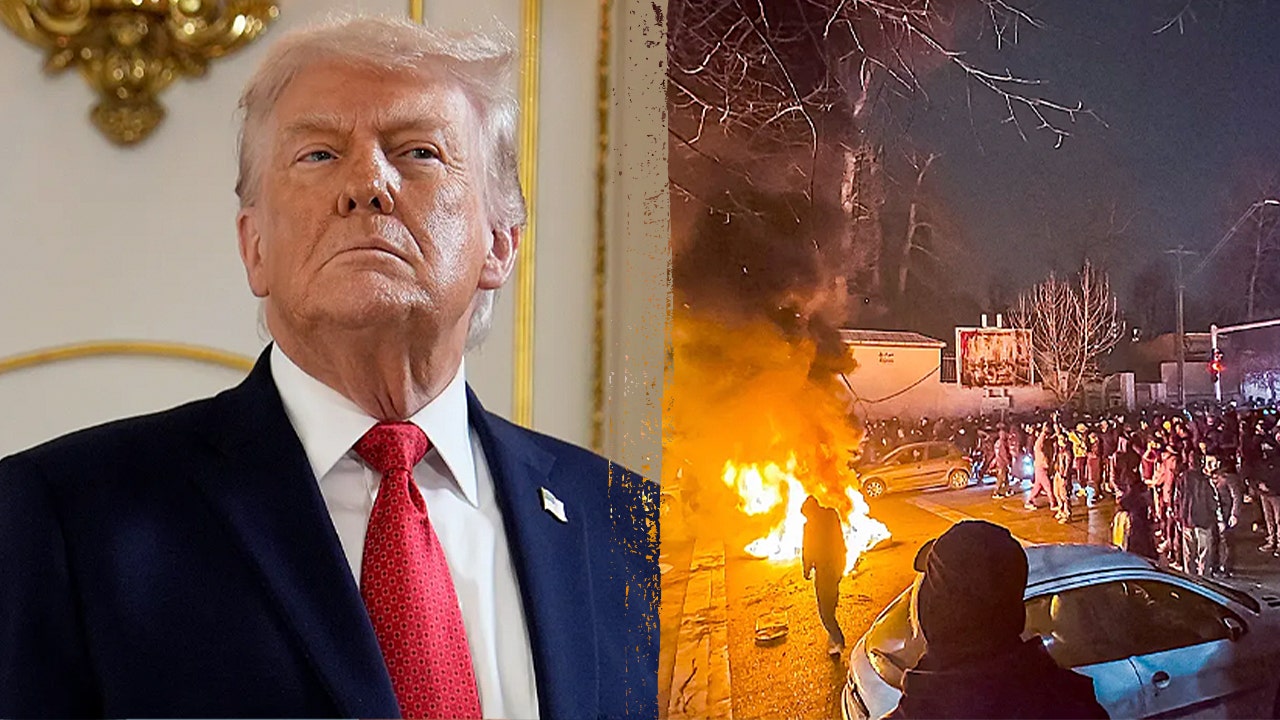
The sell-off was driven primarily by geopolitical risk premiums, with traders pricing in the possibility of further escalation in the Middle East. Trump’s recent statements, including warnings of potential military action against Iranian nuclear facilities and threats to reinstate harsh sanctions, have reignited concerns over oil prices and regional stability. The International Energy Agency (IEA) had previously signaled that any disruption in Iranian oil exports could push global crude prices above $90 per barrel, further straining European economies already grappling with high energy costs.
“The market is reacting to the uncertainty, not just the words,” said Carsten Brzeski, chief economist at ING Group. “Investors are asking: What’s the worst-case scenario, and how long will this last? Without clarity, the default is to sell.”
Trump’s Iran Strategy: A Fresh Wave of Market Jitters
Trump’s hardline approach to Iran—announced during a weekend press conference—marks a sharp departure from the cautious diplomacy seen under his predecessors. Key elements of his strategy include:
- Military posturing: Reports indicate the U.S. Has repositioned naval assets in the Persian Gulf and Red Sea, citing “credible threats” from Iranian-backed militias. The U.S. Central Command confirmed “enhanced readiness” but declined to specify targets.
- Sanctions revival: Trump has signaled intent to revive secondary sanctions on entities trading with Iran, including European firms involved in oil or technology transfers. The European Union has yet to respond officially, but sources suggest internal divisions over how to balance sanctions compliance with energy security.
- Diplomatic isolation: Trump’s administration has also threatened to withdraw from the JCPOA (Joint Comprehensive Plan of Action), the 2015 nuclear deal, unless Iran halts uranium enrichment activities. The International Atomic Energy Agency (IAEA) reported last week that Iran’s stockpile of enriched uranium remains well above deal limits, though it has not yet triggered a formal breach.
For European markets, the immediate concern is the contagion effect. The region’s heavy reliance on Russian and Middle Eastern oil imports—particularly for refiners in Germany, Italy, and the Netherlands—means even minor disruptions could send prices surging. The European Commission’s energy crisis task force is reportedly monitoring the situation closely, though no emergency measures have been announced.
Beyond Stocks: How Bonds, Currencies, and Sectors Are Reacting
While equities bore the brunt of Monday’s sell-off, other asset classes are also feeling the strain:
1. Government Bonds: Yields Rise, Safe-Haven Demand Fades
German 10-year bund yields climbed to 2.45% from 2.38% at the start of the week, according to Bundesbank data. The move reflects a flight to quality, though the increase is modest compared to the spikes seen during the 2022 Ukraine war. Italian and Spanish bonds, which carry higher risk premiums, saw slightly larger jumps, with BTP yields rising by 0.08%.
2. The Euro: Strength or Weakness?
The euro initially weakened against the U.S. Dollar on Monday, trading at $1.0850—down from $1.0920 on Friday—amid expectations that the European Central Bank (ECB) may hold interest rates steady at its June meeting. However, some analysts suggest the euro could rebound if Trump’s rhetoric sparks a broader risk-off trend, as the dollar often benefits from safe-haven flows.
3. Sector-Specific Hits
Defense stocks led the declines, with BAE Systems (UK) and Airbus (France) both dropping over 2% as investors bet on potential defense contracts. Energy firms, meanwhile, saw mixed reactions: Shell (UK) and TotalEnergies (France) fell slightly on concerns over oil price volatility, while Russian energy giants trading on European exchanges (e.g., Gazprom Neft) saw modest gains on hopes of reduced sanctions pressure.
What Investors Should Watch in the Coming Days
The next critical developments will likely hinge on three factors:
- Iran’s Response: Will Tehran escalate rhetorically or take concrete steps (e.g., further uranium enrichment, attacks on shipping lanes)? The Iranian Foreign Ministry has not yet commented publicly, but leaks suggest internal debates over whether to de-escalate or match Trump’s toughness.
- EU’s Stance: Will Brussels attempt to mediate or adopt a harder line against Iran? The European Council is scheduled to discuss the situation at an emergency session on May 22, 2026, though no details have been released.
- Oil Market Reactions: If prices approach $90/barrel, the EU’s price cap mechanism—designed to limit Russian oil revenues—could face renewed scrutiny, potentially leading to policy shifts.
Key Takeaways for Investors
- Geopolitical risk is trumping economic data: Despite strong Q1 GDP figures in Germany and France, traders are prioritizing Middle East tensions over fundamentals.
- Bonds are the safest bet—for now: German and French sovereign debt remains the most stable asset class amid the uncertainty.
- Defense and energy stocks are high-risk, high-reward: Short-term volatility is likely, but long-term opportunities may emerge if tensions de-escalate.
- The euro’s fate hinges on the ECB: If the central bank signals further rate hikes, the currency could weaken; if it pauses, it may stabilize.
- Watch the IEA’s weekly report: Due on May 20, 2026, it will provide critical insights into oil supply-demand dynamics.
FAQ: Your Questions Answered
Q: Could this lead to a full-blown market crash?
A: Unlikely in the short term. While volatility will persist, European markets have shown resilience in recent geopolitical crises (e.g., Ukraine war, Red Sea attacks). However, a prolonged conflict could trigger a deeper downturn.
Q: How are European governments preparing?
A: The EU’s Crisis Management Group is coordinating with member states to monitor supply chains, particularly for oil and food. Germany has activated emergency reserves, and Italy has offered tax incentives for energy-intensive industries.
Q: Should I sell my European stocks now?
A: It depends on your risk tolerance. If you’re holding long-term, the dip could present a buying opportunity. Short-term traders should watch Iran’s next moves and the ECB’s June decision.
The next major checkpoint will be the EU’s emergency session on May 22, 2026, where leaders are expected to outline a unified response to Trump’s Iran strategy. Until then, investors should brace for continued choppy waters—especially in defense, energy, and financial sectors. For real-time updates, monitor:
- The European Commission’s crisis page.
- The IEA’s weekly oil report.
- The Bundesbank’s bond yield tracker.
What are your thoughts on the market reaction? Share your insights in the comments below—or tag @WorldTodayJrnl on X for a live discussion.
Related reading
- Brother of Former CJNG Cartel Leader Pleads Guilty to US Drug Trafficking Charges
- Russia Faces New Mobilization Fears as Citizens Flee the Country Again
- The Senate Blue Slip, Explained: The Custom Trump Wants Gone (daybreakwire.com)
- At typically tranquil Camp David, Trump publicly lashes out at political enemies (archyworldys.com)