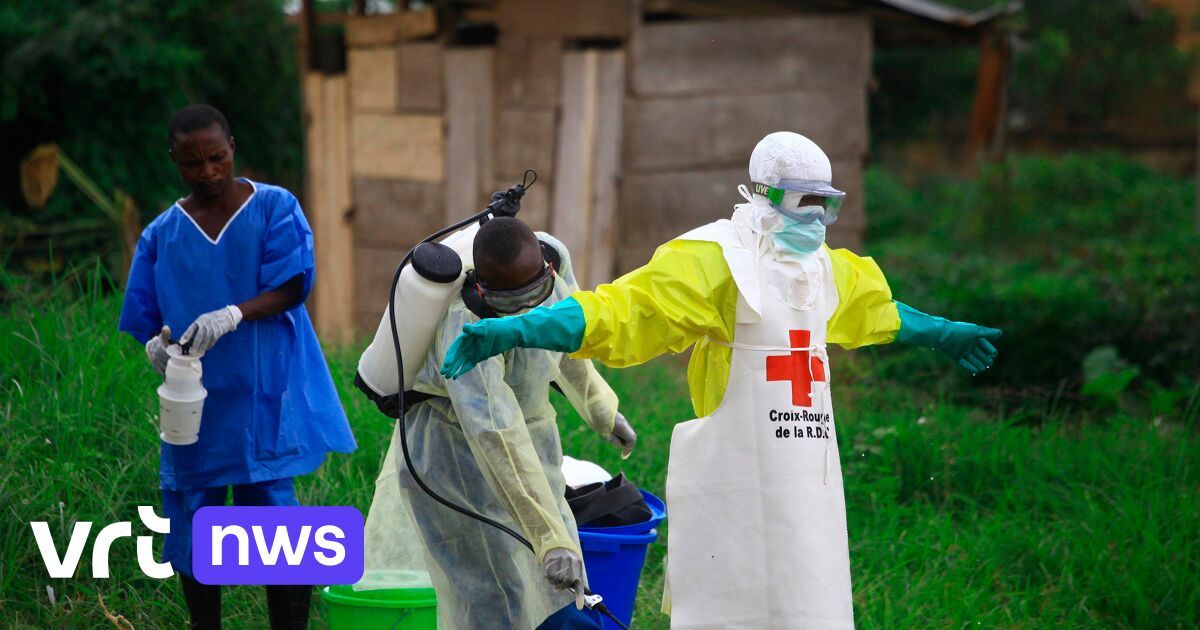
Ebola Outbreak in Eastern Congo: Expert Warns of “Urban Spread” Risks for Travelers and Healthcare Workers
As the Ebola virus continues to spread through urban centers in Eastern Congo, infectious disease specialist Dr. Erika Vlieghe has issued a stark warning to travelers, medical students, and healthcare workers considering field placements in the region. The outbreak—now characterized by its rapid transmission in densely populated areas—poses “unprecedented risks,” according to Vlieghe, who has worked extensively on Ebola response efforts in Central Africa. With at least 100 confirmed deaths and nearly 400 suspected cases reported in recent weeks, health officials warn that the combination of urban mobility, delayed testing, and traditional burial practices could allow the virus to spread undetected. For those with weakened immune systems or those training in healthcare settings, the risks are particularly high.
Dr. Vlieghe, a virologist affiliated with the Institute of Tropical Medicine in Antwerp, Belgium, emphasized in recent interviews that the current epidemic differs fundamentally from previous outbreaks in the region. “The urban character of this epidemic and the movement of populations make it far more dangerous than earlier outbreaks,” she stated. Unlike past Ebola crises that were largely confined to rural areas, this strain has now reached major cities, increasing the likelihood of person-to-person transmission in crowded markets, hospitals, and transportation hubs.
The World Health Organization (WHO) has classified the situation as a “public health emergency of international concern,” though the organization has not yet recommended travel restrictions. However, Vlieghe advises caution, particularly for individuals with pre-existing health conditions or those planning to undertake clinical rotations in Congolese healthcare facilities. “Think twice if you are an at-risk patient or if you want to do an internship in the healthcare sector,” she warned. “The risks are not just theoretical—they are being realized daily.”
Key Risks and Considerations
- Urban Transmission: Unlike previous outbreaks, this strain is spreading rapidly in cities, increasing exposure risks for residents and visitors alike.
- Healthcare Workers: Medical students and professionals on clinical rotations face elevated risk due to close contact with patients and limited protective equipment in some facilities.
- Testing Delays: Reports indicate some diagnostic centers are overwhelmed, leading to potential underreporting of cases and delayed isolation measures.
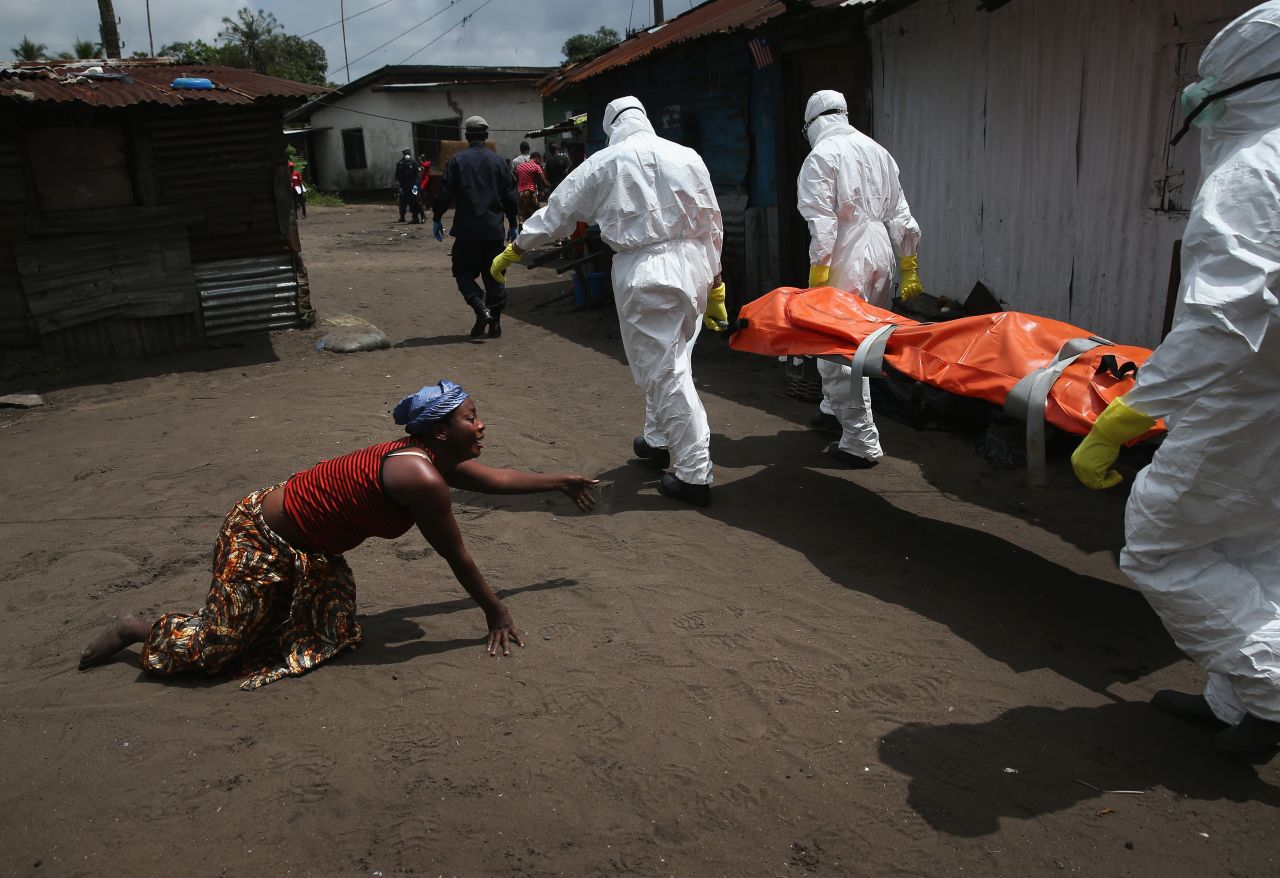
- Traditional Practices: Burial rituals involving direct contact with the deceased remain a significant transmission vector in affected communities.
- Travel Advisory: While no official travel bans exist, experts recommend avoiding non-essential trips to Eastern Congo and monitoring WHO updates.
- Vaccine Availability: The Ervebo vaccine is available but distribution remains limited in high-risk urban zones.
Why This Outbreak Is Different—and More Dangerous
Historically, Ebola outbreaks in the Democratic Republic of Congo (DRC) have been contained within rural villages, where social distancing and limited mobility helped slow transmission. However, the current epidemic—first detected in late April 2026—has already reached the provincial capital of Beni, a city of over 500,000 people. This urban spread is a critical factor in the virus’s ability to infect larger numbers of people in shorter timeframes.

“The virus doesn’t respect borders—neither geographic nor social,” Vlieghe explained. “When it moves into cities, it encounters more people, more movement, and more opportunities to jump from one host to another.” She pointed to recent data showing that over 60% of confirmed cases in this outbreak are now linked to urban transmission chains, compared to less than 20% in previous epidemics.

The situation is further complicated by challenges in testing and contact tracing. According to a recent report from Médecins Sans Frontières (MSF), some diagnostic centers in Beni and Butembo have experienced delays due to equipment shortages and staff shortages following the assassination of a local health official in early May. These delays can allow the virus to spread undetected, particularly in communities where symptoms like fever and fatigue are common and may be attributed to other illnesses.
“The combination of urban density, delayed testing, and traditional burial practices creates a perfect storm for Ebola to spread silently. By the time we confirm cases, it may already be too late to contain them.”
—Dr. Erika Vlieghe, Institute of Tropical Medicine, Antwerp
Who Is Most at Risk?
While Ebola can infect anyone, certain groups face disproportionately higher risks in this outbreak. Vlieghe identified three primary categories of concern:
- Travelers with underlying health conditions: Individuals with compromised immune systems, chronic illnesses, or those on immunosuppressive therapies are at greater risk of severe disease if exposed. Vlieghe advises such travelers to avoid non-essential trips to Eastern Congo and to consult their healthcare providers before any potential exposure.
- Healthcare workers and medical students: Frontline healthcare providers—especially those working in overwhelmed facilities—face elevated risks due to close contact with patients and limited access to protective gear. Medical students on clinical rotations may also be exposed if proper infection control protocols are not strictly followed.
- Local populations in high-transmission zones: Residents of Beni, Butembo, and surrounding areas are at the highest risk due to the virus’s rapid urban spread. Community leaders report increased anxiety as families avoid seeking medical care for fear of Ebola exposure.
For travelers, the risks extend beyond direct infection. “Even if you don’t contract Ebola, the collapse of healthcare infrastructure in affected areas means that routine medical care may become unavailable,” Vlieghe noted. She cited recent cases where patients with unrelated illnesses—such as malaria or respiratory infections—have died due to delayed treatment as hospitals prioritize Ebola response efforts.
What Travelers and Healthcare Workers Should Know
Given the evolving nature of the outbreak, Vlieghe offered practical advice for those considering travel to or work in Eastern Congo:
- Monitor official advisories: The WHO and U.S. Centers for Disease Control and Prevention (CDC) provide regular updates on the outbreak’s status. Both agencies currently advise against non-essential travel to high-risk areas but may adjust recommendations as the situation develops.
- Prepare for potential quarantine: Some countries, including Rwanda and Uganda, have implemented mandatory health screenings for travelers from Eastern Congo. Individuals may face quarantine if they exhibit symptoms of Ebola or other infectious diseases upon arrival.
- Carry a medical kit: For healthcare workers, a portable supply of personal protective equipment (PPE), hand sanitizer, and basic medications can mitigate risks in low-resource settings. Vlieghe recommends carrying WHO-approved Ebola PPE guidelines as a reference.
- Avoid traditional burial rituals: Ebola transmission often occurs during funerals where mourners come into direct contact with the deceased. Travelers and locals alike are advised to follow safe burial practices as outlined by the WHO.
For those with pre-existing conditions, Vlieghe stressed the importance of consulting a specialist before traveling. “If you have a condition like HIV, diabetes, or cancer, discuss your travel plans with your doctor to assess your personal risk,” she said. “There are no guarantees in a crisis, but preparation can make a critical difference.”
The Role of Vaccines and Treatment
While the Ervebo vaccine—developed by Merck and approved by the WHO—has shown promise in previous outbreaks, its deployment in this epidemic has faced logistical challenges. As of mid-May 2026, the Africa Centers for Disease Control and Prevention (Africa CDC) reports that only 12,000 doses have been administered in high-risk zones, with an additional 50,000 doses en route. Vaccination campaigns are prioritizing healthcare workers and frontline responders, but coverage among the general population remains limited.

Treatment options for Ebola include supportive care—such as intravenous fluids, oxygen therapy, and blood pressure management—as well as experimental therapies like REGN-EB3, an antibody cocktail that has demonstrated efficacy in clinical trials. However, access to these treatments in Eastern Congo is uneven, with some facilities reporting stockouts of essential medications.
“Vaccines are a critical tool, but they are not a silver bullet. We must combine vaccination with robust contact tracing, community engagement, and international support to turn the tide on this outbreak.”
—Dr. Matshidiso Moeti, WHO Regional Director for Africa
What Happens Next?
The next critical checkpoint for the outbreak will be the WHO’s Emergency Committee meeting scheduled for June 1, 2026, where officials will reassess whether the epidemic continues to meet the criteria for a “public health emergency of international concern.” In the meantime, the following developments are expected:
- Expanded vaccination drives: Africa CDC and partners aim to vaccinate an additional 100,000 people in high-risk urban areas by June 2026, with a focus on Beni and Butembo.
- Enhanced surveillance: Mobile testing units are being deployed to remote villages to improve case detection and reduce underreporting.
- International funding appeals: The UN and humanitarian organizations have launched a $150 million appeal to support response efforts, though funding gaps remain a significant concern.
- Travel advisory updates: Countries bordering the DRC, including Rwanda, Uganda, and South Sudan, are expected to reinforce screening measures for travelers from affected regions.
For travelers and healthcare workers, the most important action remains vigilance. “This is not a static situation,” Vlieghe cautioned. “Conditions can change rapidly, and what may seem safe today could become high-risk tomorrow. Stay informed, prepare for contingencies, and prioritize your health.”
Have you or a loved one traveled to or worked in Eastern Congo recently? Share your experiences or questions in the comments below. For the latest official updates, visit the WHO Ebola Outbreak Page or the CDC Ebola Resource Center.
Keep reading