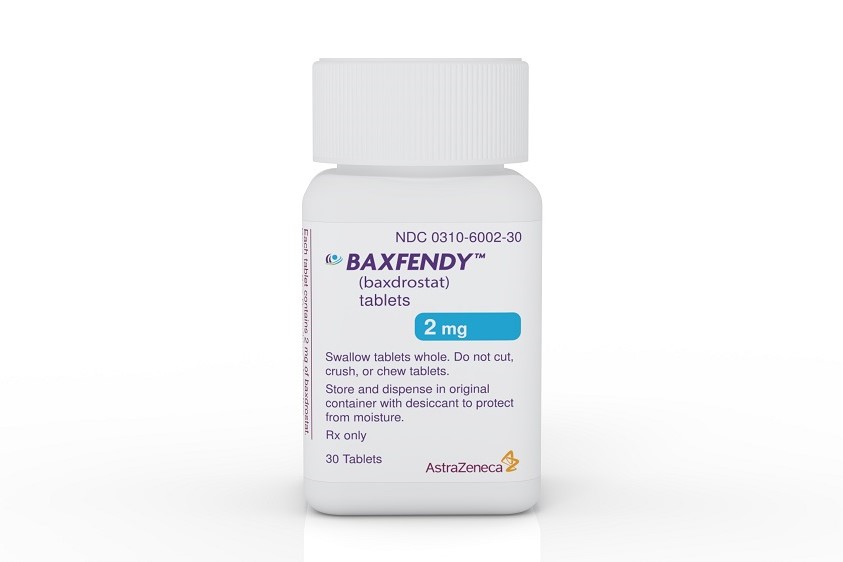
The U.S. Food and Drug Administration (FDA) has granted regulatory approval to a new therapeutic option for patients struggling with hypertension. AstraZeneca’s drug, Baxfendy (baxdrostat), marks a significant shift in cardiovascular care as the first-in-class aldosterone synthase inhibitor to reach the market for the treatment of high blood pressure, according to official regulatory announcements reported on May 18, 2026.
For millions of people worldwide, managing blood pressure remains a persistent clinical challenge. While various classes of antihypertensive medications have been available for decades, the introduction of an aldosterone synthase inhibitor provides a novel mechanism of action. By targeting the hormonal pathways that regulate sodium balance and blood pressure, this medication aims to address cases of uncontrolled hypertension where conventional therapies may prove insufficient.
A New Mechanism for Cardiovascular Health
At the core of this medical development is the drug’s ability to inhibit aldosterone synthase. Aldosterone is a hormone that plays a pivotal role in the body’s regulation of blood pressure by signaling the kidneys to retain sodium and excrete potassium. When this system becomes overactive, it can lead to sustained high blood pressure, placing patients at increased risk for heart disease, stroke, and kidney complications.
The approval of Baxfendy is particularly notable for its distinct approach to the renin-angiotensin-aldosterone system. Unlike existing therapies that primarily block the effects of hormones already circulating in the bloodstream, this new class of medicine works to reduce the production of aldosterone at its source. This targeted intervention is intended to provide more precise control over blood pressure levels, offering a potential breakthrough for patients who have not achieved their target clinical goals on standard regimens.
Strategic Importance for AstraZeneca
The introduction of Baxfendy into the pharmaceutical landscape arrives at a crucial time for AstraZeneca. The biopharmaceutical company has been actively expanding its cardiometabolic portfolio as it navigates the impending patent expiration of its legacy medications. As noted in corporate updates from the company, the focus remains on advancing science in areas of high unmet medical need, particularly where disease understanding has evolved to allow for more specific therapeutic targets.
In the competitive sector of cardiovascular medicine, the pursuit of “blockbuster” potential—drugs capable of generating significant global revenue—is often tied to the ability to treat large patient populations with chronic conditions. Hypertension is a leading global health concern, and by securing approval for a first-in-class treatment, AstraZeneca positions itself to capture a significant share of the market for patients whose blood pressure remains uncontrolled despite receiving multiple existing treatments.
What This Means for Patients
For the average patient, the approval of a new medication class represents more than just a chemical advancement; it signifies the potential for better long-term health outcomes. Uncontrolled hypertension is often referred to as a “silent killer” because it frequently presents without symptoms while causing cumulative damage to the cardiovascular system. The addition of an aldosterone synthase inhibitor to a physician’s toolkit may allow for more personalized treatment plans, particularly for those with resistant forms of the disease.
As with all new pharmaceutical approvals, the clinical adoption of Baxfendy will likely depend on real-world evidence, physician familiarity, and accessibility. Healthcare providers are expected to review the prescribing information closely to determine the optimal role for this drug within existing treatment protocols, often governed by international guidelines such as those set forth by the World Health Organization regarding the management of cardiovascular risks.
Looking Ahead
As of May 18, 2026, the medical community is turning its attention toward the rollout of this therapy. Patients and clinicians alike will be monitoring for further guidance on clinical implementation, potential side effect profiles, and long-term efficacy data that typically follow the initial launch of a novel drug class.
The next steps in the lifecycle of this medication will involve the integration of Baxfendy into national and regional clinical practice guidelines. We will continue to track official updates from the FDA and AstraZeneca as the drug becomes available for clinical use. We encourage our readers to discuss any questions regarding their personal treatment plans with their primary care physician or a specialist, as individual health needs vary significantly.
What are your thoughts on this new approach to blood pressure management? Join the conversation in the comments section below or share this report with your network to keep others informed on the latest developments in medical innovation.