
As we monitor global health developments this week, a concerning situation is unfolding in the Democratic Republic of the Congo. Health authorities have confirmed a rise in fatalities linked to an ongoing outbreak of the Ebola virus, underscoring the persistent challenges of managing infectious diseases in the region.
According to official reports from the Africa Centres for Disease Control and Prevention (Africa CDC), the death toll from the current outbreak in the Ituri province has reached 87 individuals. Dr. Jean Kaseya, Director-General of the Africa CDC, confirmed that a total of 336 cases have been identified as of May 17, 2026. This surge in cases highlights the significant public health burden currently facing the region.
Understanding the Current Outbreak
The situation in the Democratic Republic of the Congo is characterized by the identification of the “Bundibugyo” strain of the Ebola virus. This specific variant presents unique challenges to medical teams on the ground, primarily because there is currently no approved vaccine available to combat this particular strain. The lack of a targeted immunization strategy complicates efforts to contain the spread effectively.
The outbreak was first identified in April 2026. However, health officials have expressed caution regarding the full scope of the crisis. Because the initial index case—the first person to contract the virus—remains unidentified, experts have stated that the true scale of the epidemic is demanding to determine with absolute certainty. The ongoing surveillance efforts are aimed at identifying further chains of transmission to better understand the trajectory of the virus.
Assessing Regional Risk Levels
In response to the data, the Africa CDC has conducted a formal risk assessment for the continent. The organization has classified the risk level of the Ebola virus as “particularly high” within the Democratic Republic of the Congo. The risk is categorized as “high” for the broader East African region, while the risk to the African continent as a whole is currently considered “moderate.”
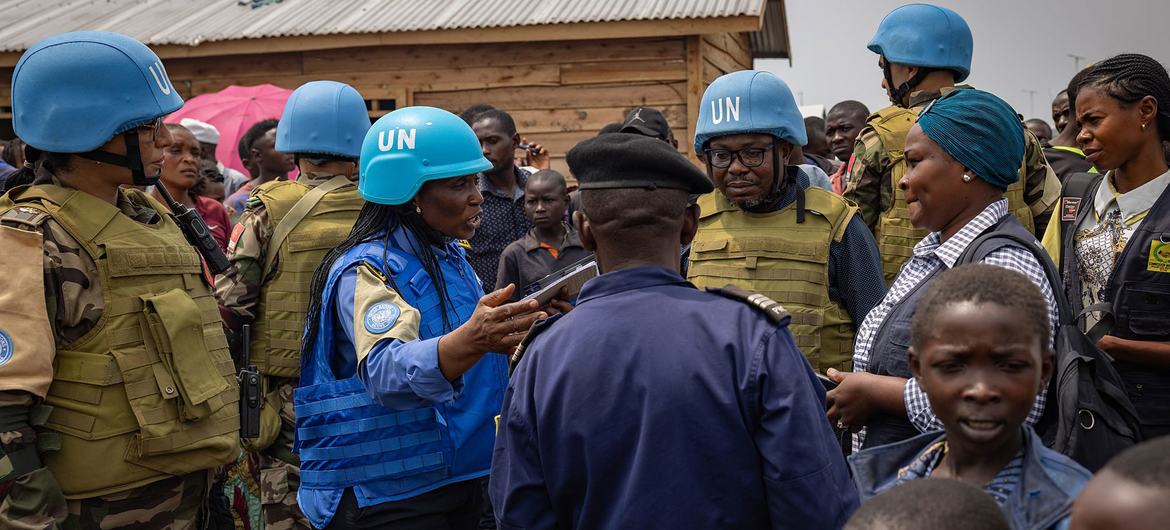
These classifications serve as a critical guide for member states and international partners in coordinating their response. The Africa CDC, headquartered in Addis Ababa, Ethiopia, continues to lead the regional oversight, emphasizing the necessity of robust diagnostic capabilities and rapid response protocols to mitigate further loss of life.
Clinical Context and Public Health Impact
Ebola virus disease, often historically referred to as Ebola hemorrhagic fever, remains a severe and often fatal illness in humans and non-human primates. The virus, which derives its name from the Ebola River where it was first identified, typically presents with symptoms such as fever, severe headache, muscle pain, fatigue, diarrhea, vomiting, and in advanced stages, unexplained hemorrhage or bleeding. The disease is primarily transmitted through direct contact with the blood or body fluids of infected individuals or animals.
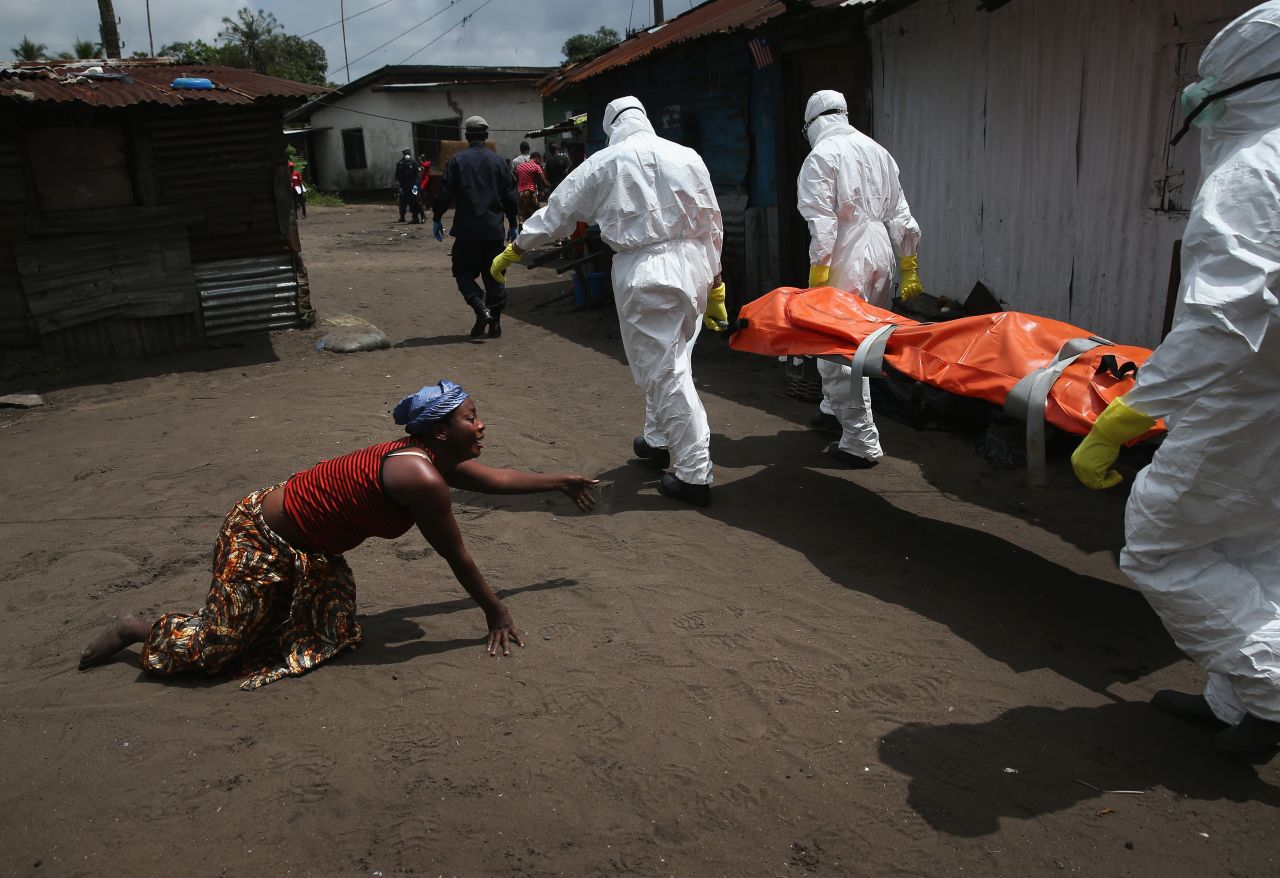
As the international community watches these developments, the focus remains on enhancing community engagement, improving infection control measures in healthcare settings, and supporting the logistical needs of the medical teams working in the affected areas. The absence of a specific vaccine for the Bundibugyo strain makes the reliance on traditional public health interventions—such as contact tracing, isolation of patients, and safe burial practices—more critical than ever.
Looking Ahead
The Africa CDC has committed to providing ongoing updates as more epidemiological data becomes available. For health professionals and the public, maintaining vigilance and adhering to the guidance issued by local health ministries and regional bodies is essential. We will continue to track this situation as further reports are released by the Africa CDC and international health organizations.
We invite our readers to stay informed by following official advisories and participating in community health discussions. If you have questions regarding the response or the nature of the virus, please share your thoughts or inquiries in the comments section below, and we will endeavor to address them in our upcoming coverage.