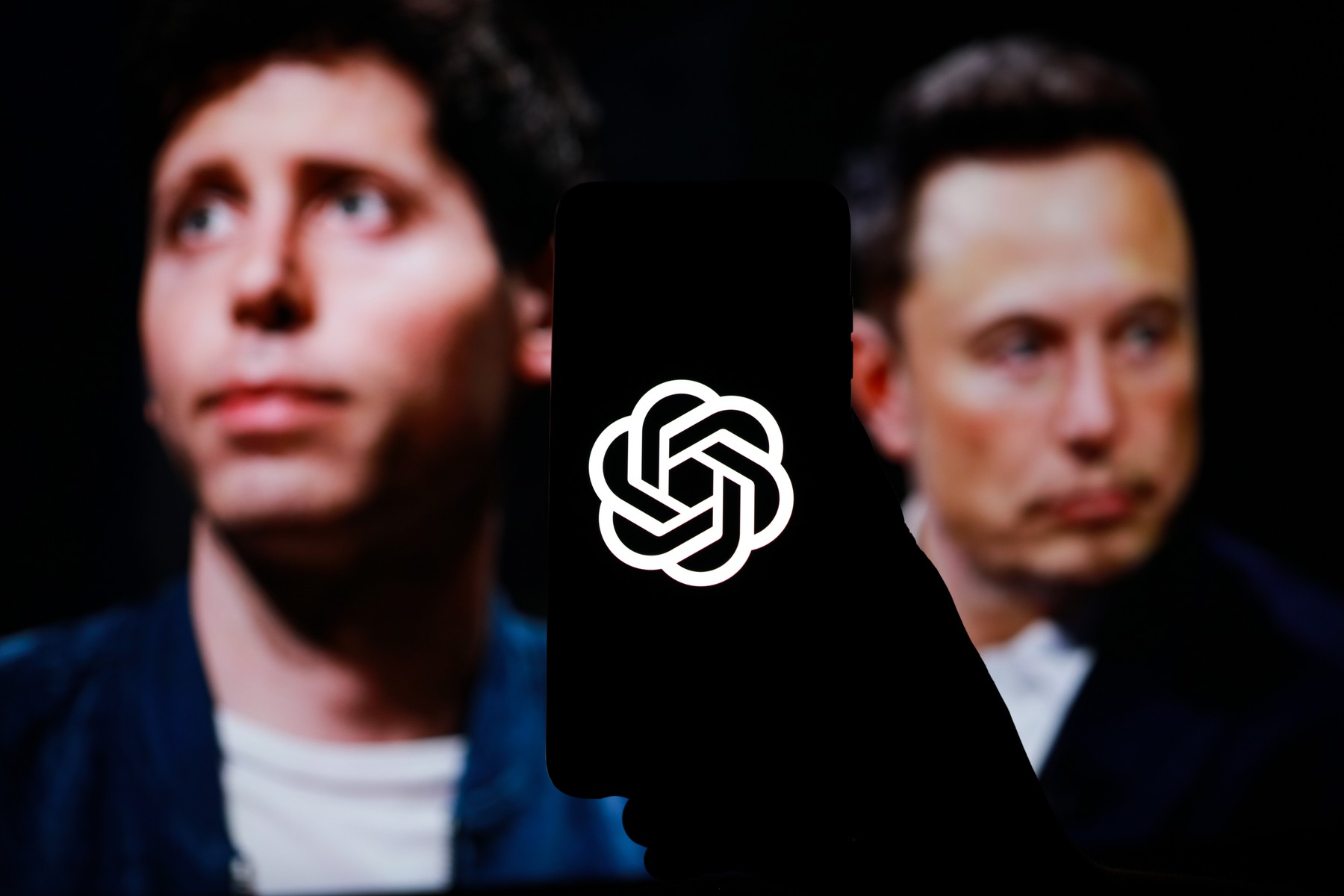
Elon Musk Loses Landmark OpenAI Lawsuit: Jury Rules He Waited Too Long to Sue
In a stunning legal setback for Elon Musk, a federal jury in Oakland, California, has unanimously dismissed his high-profile lawsuit against OpenAI and its co-founders Sam Altman and Greg Brockman. The jury determined that Musk’s claims—accusing the company of abandoning its nonprofit mission and enriching insiders—were filed beyond the statute of limitations. U.S. District Judge Yvonne Gonzalez Rogers adopted the jury’s advisory verdict, effectively ending the case after a three-week trial. The ruling clears a major legal hurdle for OpenAI as it prepares for a potential blockbuster initial public offering (IPO).
The verdict marks the first major legal defeat for Musk in his ongoing feud with OpenAI, a company he co-founded in 2015 alongside Altman and Brockman. Musk, who contributed approximately $38 million to OpenAI’s early development, had argued that the organization betrayed its original nonprofit mission by transitioning to a hybrid for-profit structure. His lawsuit, filed in February 2024, accused Altman and Brockman of “stealing a charitable organization” and using its transformation to enrich themselves. However, the jury rejected these claims, finding no liability and concluding that Musk’s legal action came too late under California’s statute of limitations.
“I was a fool,” Musk admitted in court earlier this month, acknowledging that his financial support for OpenAI was intended as a charitable gift to advance AI for humanity. The jury’s decision—deliberated for approximately 90 minutes—underscores the legal risks of challenging corporate transformations in the fast-moving AI sector. For OpenAI, the verdict is a critical victory, removing a significant overhang as it navigates its path to what could be one of the most anticipated tech IPOs in years.
Why This Lawsuit Matters: The Clash of Visionaries and Corporate Evolution
The dispute between Musk and OpenAI epitomizes the tensions between idealism and commercialization in the AI industry. OpenAI was launched in 2015 with a stated mission to ensure that artificial general intelligence (AGI) benefits all of humanity. Musk, a vocal advocate for AI safety and transparency, was a driving force behind the nonprofit’s formation. However, as the company scaled its operations, it faced the reality that sustained innovation required significant capital—capital that could only be raised through a for-profit model.
By 2019, OpenAI had shifted to a “capped-profit” structure, allowing it to generate revenue while maintaining its nonprofit core. This transition was met with criticism from some quarters, including Musk, who argued that the company had strayed from its original purpose. The legal battle became a proxy for broader debates about the ethics of AI development, corporate governance, and the role of philanthropy in cutting-edge technology.
“Am fost un prost. Le-am oferit finanțare gratuită pentru a crea un startup.”
Musk’s admission in court—translated from Romanian as “I was a fool”—reflects the personal and professional stakes of the case. Beyond the legal outcome, the lawsuit exposed fractures in the AI community, where Musk’s influence as both a financier and a thought leader has been matched by Altman’s operational leadership. The jury’s decision now forces Musk to reassess his legal strategies, while OpenAI can proceed with its fundraising plans unencumbered by litigation.
The Statute of Limitations: How a Technicality Doomed Musk’s Case
The jury’s ruling hinged on a technical but critical legal issue: the statute of limitations. California law generally requires that lawsuits related to corporate misconduct be filed within a specific timeframe—typically two to four years, depending on the nature of the claim. Musk’s lawsuit, filed in February 2024, was challenged by OpenAI’s legal team, which argued that the claims should have been brought much earlier, when the company first transitioned to its hybrid model in 2019.
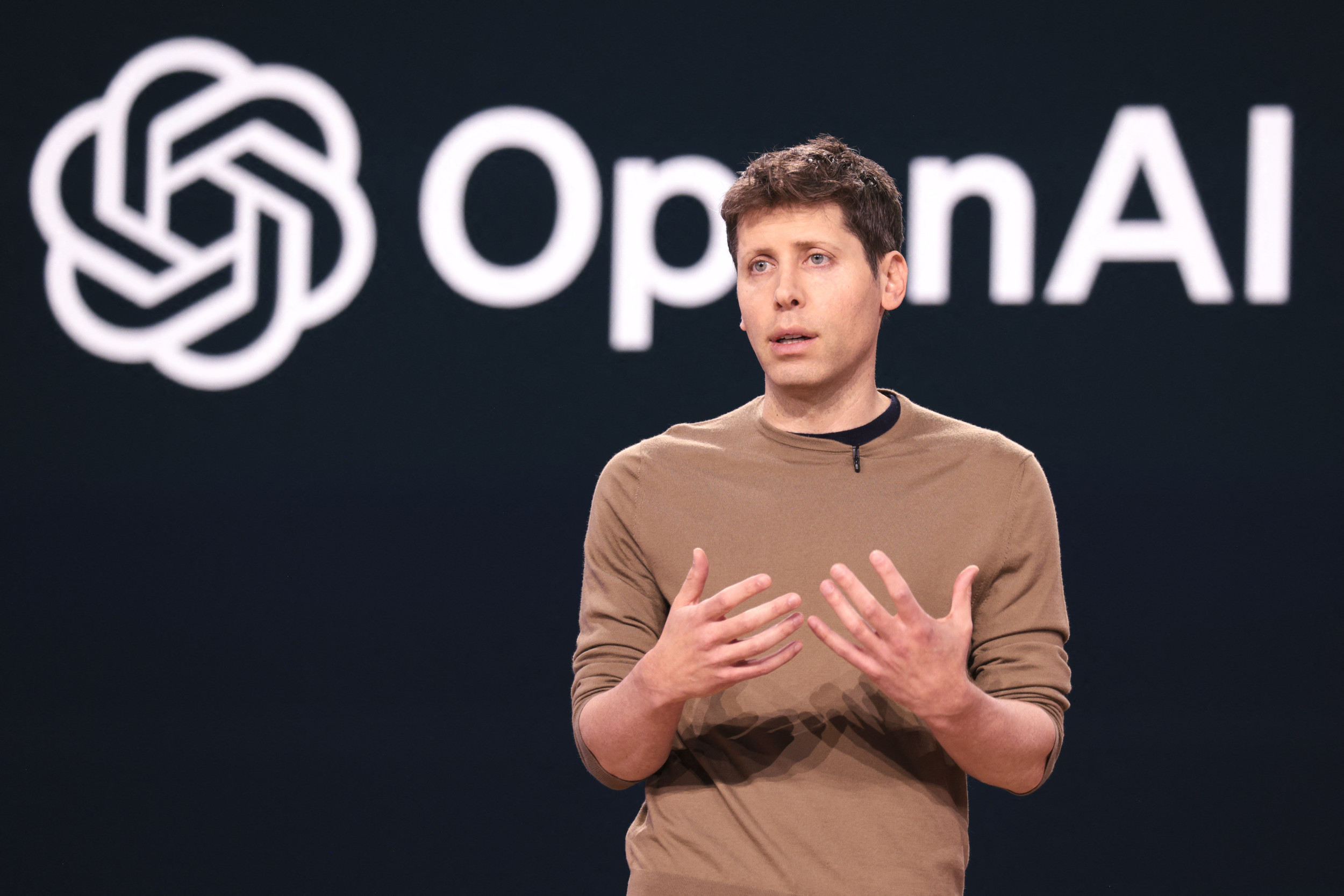
Judge Gonzalez Rogers, who presided over the trial, indicated that the evidence supported the jury’s conclusion. “There is a substantial volume of evidence that aligns with the jury’s finding,” she stated in court, adding that she was prepared to dismiss the case immediately based on the advisory verdict. This ruling sets a precedent for similar disputes in the tech sector, where the rapid pace of innovation often outstrips legal timelines.
Legal experts suggest that the case could have broader implications for how nonprofit organizations transition to for-profit structures. The verdict may encourage other founders and investors to file lawsuits sooner rather than later, lest they risk losing their claims to the passage of time. For Musk, the loss also serves as a reminder of the challenges of holding corporate leaders accountable in an environment where board decisions are often made behind closed doors.
Who Wins and Who Loses: The Fallout from the Verdict
OpenAI: The company emerges as the clear victor, with its legal cloud lifted just as it prepares for a potential IPO. The verdict removes a significant distraction and allows Altman and Brockman to focus on securing investor confidence. Analysts speculate that the IPO could value OpenAI at $30 billion or more, depending on market conditions and the company’s revenue growth trajectory. The ruling also strengthens Altman’s position as OpenAI’s CEO, reinforcing his authority over the company’s strategic direction.
Elon Musk: While the legal loss is a setback, Musk’s influence in the AI space remains intact. He continues to lead Neuralink, X (formerly Twitter), and SpaceX, and his public statements on AI ethics carry significant weight. The lawsuit’s failure may also push him to explore alternative legal avenues, such as shareholder activism or regulatory challenges, to advance his vision for AI governance.

Investors and the AI Industry: The verdict sends a signal to the broader tech community about the limits of legal recourse in corporate transformations. Investors may now approach AI startups with greater caution, understanding that disputes over mission drift can be resolved in favor of the incumbent leadership—provided the legal action is timely. The case also highlights the need for clearer governance frameworks in nonprofit-to-for-profit transitions, particularly in high-stakes industries like AI.
The Public: While the lawsuit was largely a corporate and legal battle, its outcome affects public trust in AI development. Musk’s claims about OpenAI’s mission drift resonated with some critics who question whether profit motives could compromise AI safety. The verdict, however, does little to address these broader concerns, leaving the ethical debates unresolved. As OpenAI moves forward, it will need to balance commercial success with transparency to maintain public confidence.
Beyond the Verdict: OpenAI’s Path Forward and Musk’s Next Moves
With the lawsuit dismissed, OpenAI can now proceed with its IPO preparations, though the company has not yet announced a formal timeline. Industry observers expect the process to unfold over the next 12–18 months, with regulatory scrutiny likely to focus on the company’s dual nonprofit-for-profit structure and its competitive positioning against rivals like Google DeepMind and Microsoft’s AI division.
For Musk, the loss is not necessarily the end of his involvement in OpenAI’s governance. He remains a board observer and could still influence the company’s direction through other channels. However, his legal defeat may embolden Altman to pursue initiatives that Musk opposes, such as aggressive commercialization or partnerships with other tech giants. Musk, in turn, may redirect his energies toward his own AI projects, including xAI, which is developing its own large language models.
The case also raises questions about the future of nonprofit organizations in the tech sector. As more companies grapple with the need for capital, the line between philanthropy and profit will continue to blur. Legal battles like this one may become more common, forcing courts to clarify the boundaries of corporate accountability in an era of rapid innovation.
Key Takeaways from the Verdict
- Legal Precedent: The ruling establishes that challenges to corporate transformations must be filed promptly to avoid dismissal on statute-of-limitations grounds.
- OpenAI’s IPO Path: The verdict clears a major obstacle for OpenAI’s potential initial public offering, which could value the company at $30 billion or more.
- Musk’s Influence: While legally defeated, Musk retains significant influence in AI through his other ventures and could pursue alternative strategies to shape the industry.
- Industry Impact: The case highlights the tension between idealism and commercialization in AI development, with broader implications for nonprofit governance.
- Public Trust: The outcome does little to resolve ethical concerns about AI’s alignment with humanitarian goals, leaving these debates open for future scrutiny.
- Next Steps: OpenAI will focus on IPO preparations, while Musk may explore regulatory or shareholder activism avenues to advance his vision for AI.
The legal battle between Elon Musk and OpenAI is now over, but its repercussions will ripple through the tech industry for years to come. As OpenAI prepares for its IPO and Musk refocuses his efforts, the broader questions about AI governance remain unanswered. What do you think is the biggest takeaway from this verdict? Share your thoughts in the comments below or join the discussion on our social media channels.
For ongoing updates on OpenAI’s IPO process and Elon Musk’s next moves, stay tuned to World Today Journal. We’ll continue to monitor the developments and provide in-depth analysis as they unfold.