
Sofia, Bulgaria — May 18, 2026 Mozilla, the nonprofit organization behind Firefox and other privacy-focused technologies, has sounded the alarm over proposed global regulations that could require virtual private network (VPN) users to verify their age—a measure intended to block minors from accessing certain online services. The organization warns that such restrictions could inadvertently expose all users to privacy risks and create significant barriers to digital access.
In a statement released today, Mozilla argues that age-verification mandates for VPN services could lead to widespread surveillance and undermine the core principles of online privacy. The organization highlights that VPNs are widely used not only by adults but also by journalists, activists, and businesses to protect sensitive communications and bypass censorship. Forcing all users through age-check systems could create new vulnerabilities for personal data.
The debate comes as governments and tech platforms increasingly seek to implement stricter controls over online content, particularly in response to concerns about child safety and misinformation. While age-verification measures are often framed as protective, critics like Mozilla contend they could set dangerous precedents for broader digital surveillance.
Why VPN Restrictions Could Threaten Global Privacy
Mozilla’s concerns center on two key issues: the potential for mass data collection and the risk of creating unintended digital divides. The organization explains that VPNs are frequently used to:

- Protect sensitive communications (e.g., by journalists, human rights defenders, and businesses)
- Bypass geographic content restrictions (e.g., accessing region-locked news or services)
- Secure connections on public Wi-Fi networks
If VPN providers are required to implement age-verification systems, Mozilla warns that this could:
- Force all users—regardless of age—to submit personal identification documents
- Create new attack surfaces for data breaches
- Discourage legitimate use of privacy tools by law-abiding citizens
According to Mozilla’s official statement, the organization is particularly concerned about proposals in the European Union and other jurisdictions that would treat VPNs as “gatekeepers” under digital services regulations. Such classifications could subject VPN providers to onerous compliance requirements, including real-time user monitoring.
Global Push for Age-Verification: What We Know
While Mozilla’s statement does not name specific countries, recent developments in several regions suggest growing interest in age-verification measures:
- European Union: Proposals under the Digital Services Act (DSA) could expand age-verification requirements for online platforms, though the exact scope for VPN services remains unclear. The European Commission has not yet finalized rules on VPN-specific obligations.
- United Kingdom: The Online Safety Bill, currently under review, includes provisions for age-verification on high-risk platforms. Industry groups have raised concerns about potential collateral damage to legitimate services.
- Japan: Recent discussions in the Diet have explored mandatory age checks for certain online services, though no legislation has been passed. Tech advocates argue such measures could conflict with existing privacy laws.
Mozilla’s intervention follows similar warnings from digital rights organizations, including the Electronic Frontier Foundation (EFF) and Access Now, which have previously criticized age-verification systems for their potential to enable mass surveillance. The organization’s statement emphasizes that “privacy is a fundamental right, not a privilege to be revoked based on arbitrary age thresholds.”
Who Stands to Lose?
The potential impacts of VPN restrictions extend beyond individual users:
- Journalists and Activists: Many reporters in authoritarian regimes rely on VPNs to communicate securely with sources. Age-verification requirements could expose their identities and sources to government surveillance.
- Modest Businesses: Companies using VPNs for secure remote work or international transactions could face compliance burdens that disproportionately affect smaller operations.
- Healthcare Providers: Medical professionals in regions with restricted information often use VPNs to access critical research. New verification requirements could create barriers to life-saving information.
- Students and Researchers: Academic institutions frequently use VPNs to access international databases. Age checks could create unnecessary obstacles for legitimate educational purposes.
Mozilla’s CEO, Mitchell Baker, stated in a prepared remark: “When governments propose solutions that sound protective on their face, we must ask: Who is this really protecting? And at what cost to everyone else’s fundamental rights?”
What Happens Next?
Mozilla has indicated it will engage in advocacy efforts at both the national and international levels to challenge overly broad age-verification requirements. The organization is expected to:

- Lobby policymakers to narrow the scope of age-verification mandates
- Publish technical analyses demonstrating the privacy risks of VPN-specific requirements
- Collaborate with other digital rights groups on public awareness campaigns
In the EU specifically, Mozilla will likely participate in upcoming consultations on the Digital Services Act’s implementation, where VPN services may be discussed as part of the “gatekeeper” classification. The next key deadline appears to be September 2026, when the European Commission is expected to release additional guidance on age-verification measures.
For readers concerned about these developments, Mozilla recommends:
- Using privacy-focused tools like Firefox with enhanced tracking protection
- Supporting organizations advocating for digital rights
- Engaging with policymakers to share personal stories about VPN usage
Key Takeaways
- Mozilla warns that VPN age-verification could create mass surveillance risks for all users, not just minors
- Proposed regulations in the EU, UK, and Japan may indirectly affect VPN services
- Journalists, businesses, and researchers could face significant disruptions if VPN access becomes restricted
- Mozilla plans advocacy efforts to challenge overly broad digital regulations
- The next critical policy discussions will occur in EU consultations by September 2026
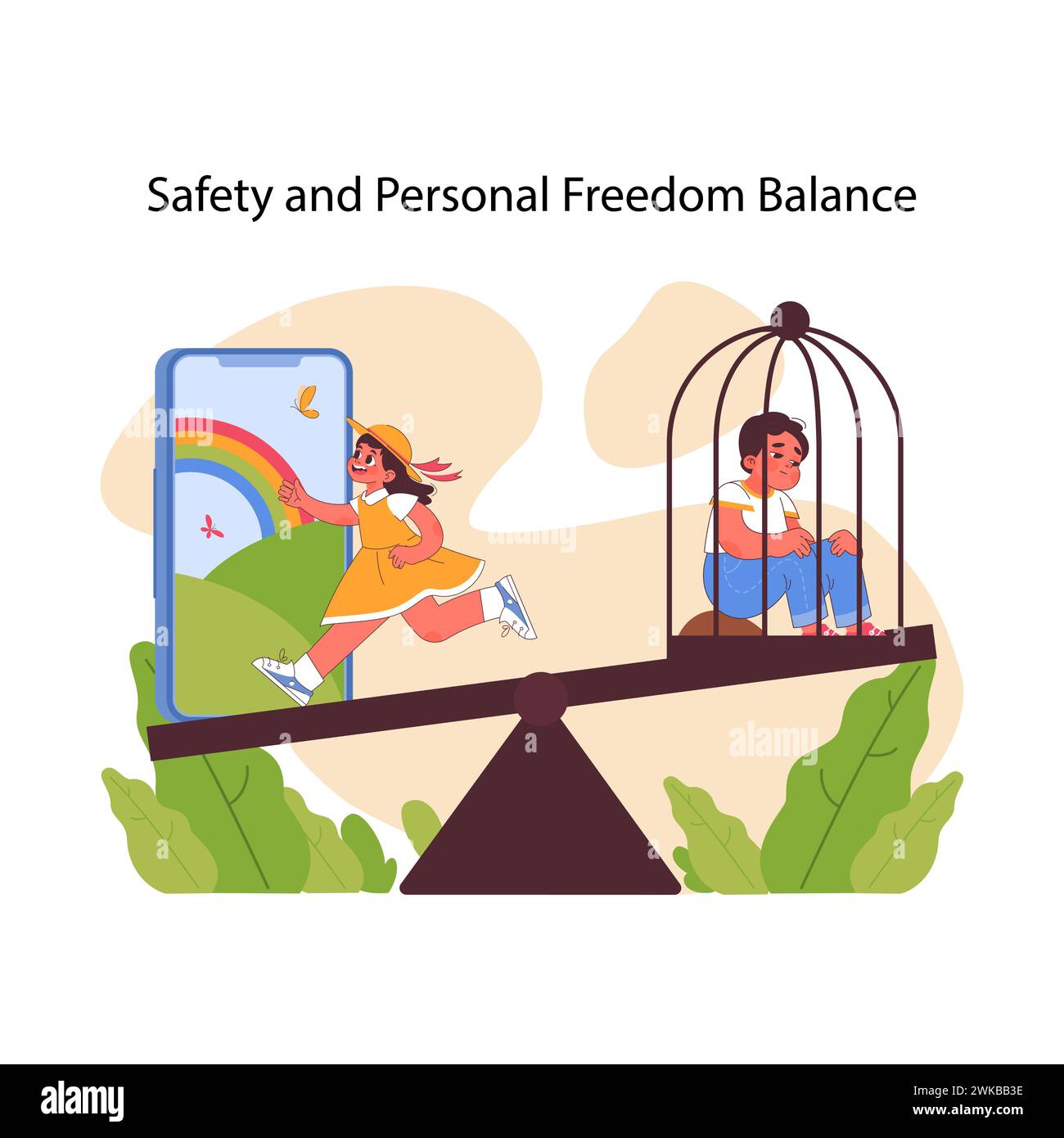
As the debate over online age verification intensifies, Mozilla’s intervention underscores the broader tension between digital safety and individual privacy rights. The organization’s stance reflects growing concerns among tech advocates that well-intentioned regulations could inadvertently erode fundamental online freedoms.
Maria Petrova is an international journalist with 14 years of experience covering geopolitics and digital rights. She holds an MA in International Relations from Sofia University and has reported from over 40 countries. Her work has been recognized with the European Press Prize for International Reporting.
What do you think? Should VPN services be subject to age-verification requirements? Share your perspective in the comments below or join the discussion on our social channels. For official updates on digital rights advocacy, follow Mozilla’s policy page.
- Trump Faces Backlash From Within: He Has Failed Us All
- Fed Officials Push for Interest Rate Hike Despite Cut
- Trabzonspor President Ertuğrul Doğan Says Club Could Sell 150 Million Euros in Players (archyworldys.com)
- EU AI Act Overview: Key Insights from Digital Law Expert Alexandre Lazarègue (newsdirectory3.com)