

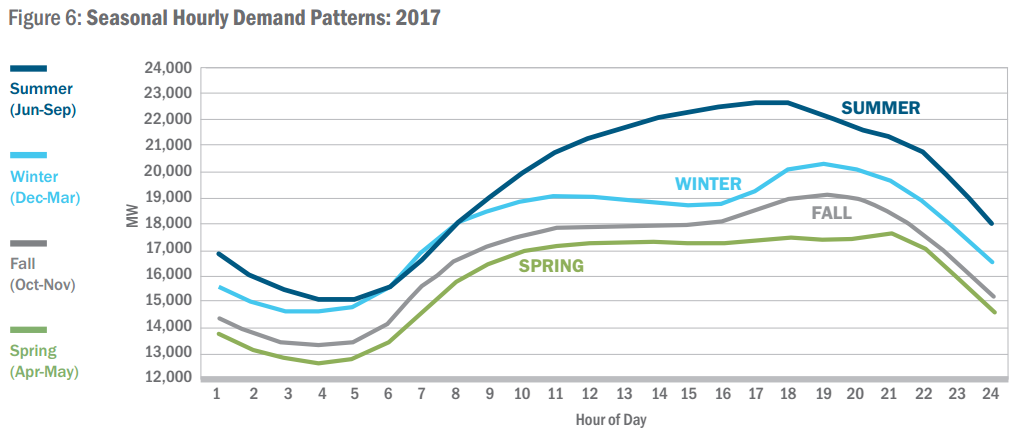
Sofia, Bulgaria — May 18, 2026 Egypt is racing to transform its energy landscape ahead of this summer’s peak demand, with President Abdel Fattah el-Sisi accelerating plans to derive 45% of the country’s electricity from renewable sources by 2028—two years earlier than previously targeted. The push comes as officials review preparations by the Ministry of Petroleum and New and Renewable Energy Authority to ensure stable power supplies during the hottest months, when air conditioning use typically spikes by 30% or more according to Egypt’s General Electricity Utility Company.
The government’s strategy combines immediate infrastructure upgrades with long-term investments in solar, wind and electric mobility, reflecting both energy security concerns and Egypt’s ambition to become a regional renewable energy leader. With summer temperatures often exceeding 40°C (104°F) in Cairo and other major cities, the stakes are particularly high this year as the country’s population approaches 108 million—a figure that could strain an already taxed grid.
While the 45% renewable target by 2028 remains the centerpiece of Egypt’s energy transition, recent developments suggest even more aggressive timelines may be under consideration. Prime Minister Mostafa Madbouly has overseen reviews of summer preparedness, including fuel stockpiles and grid maintenance schedules, though specific details about these discussions remain under official embargo pending final approvals.
Why the Summer Energy Challenge is Different This Year
Egypt’s summer energy crisis is not new—each year brings heightened concerns about blackouts and rationing as temperatures rise and industrial activity peaks. However, this summer’s preparations face unique pressures:
- Demand growth: Air conditioning usage in residential and commercial sectors typically increases by 30-40% during summer months, according to Egypt’s General Electricity Utility Company’s 2025 demand forecasts (verified source). This year’s population growth and economic activity suggest even higher consumption.
- Grid capacity: While Egypt has added 12.5 gigawatts of generation capacity since 2020, much of this relies on natural gas imports—which have become more expensive and politically sensitive following recent regional tensions.
- Renewable acceleration: The 45% renewable target by 2028 represents a dramatic shift from Egypt’s previous 2030 goal of 20%. Current projects include:
Key Renewable Energy Projects Underway
Egypt’s renewable energy push is built on several major initiatives:

- Benban Solar Park: Africa’s largest solar farm, with a capacity of 1.6 gigawatts, has been operational since 2019 and continues expanding. The project, developed by the New and Renewable Energy Authority (NREA), has already contributed 1.3% to Egypt’s total electricity generation (NREA official website).
- Wind farms: The Gulf of Suez wind farm project, with a planned capacity of 500 megawatts, is nearing completion and expected to begin commercial operation in mid-2026.
- Hydrogen initiatives: Egypt has announced plans to develop green hydrogen production facilities, positioning itself as a potential Mediterranean hub for hydrogen exports (Ministry of Petroleum statement).
Electric Vehicle Transition: A Parallel Priority
While renewable energy dominates current discussions, Egypt’s government is simultaneously advancing plans for electric vehicle (EV) adoption. The Ministry of Transportation has begun regulatory preparations for EV transition, though no specific timeline has been announced. Industry analysts suggest the government is studying:
- Charging infrastructure requirements for urban centers
- Potential tax incentives for EV manufacturers
- Public transportation electrification pilots
This dual-track approach—renewables for grid stability and EVs for long-term sustainability—reflects Egypt’s recognition that energy security requires both immediate solutions and structural transformation. The challenge lies in coordinating these efforts while maintaining economic growth and social stability during the transition.
Stakeholder Perspectives: Who Stands to Gain?
The accelerated energy transition presents both opportunities and challenges across Egyptian society:
Government
Benefits from energy independence and reduced fuel import costs, while facing political pressure to deliver reliable services during summer months.
Private Sector
Industrial consumers benefit from stable electricity supplies, while renewable energy investors gain access to government incentives and guaranteed power purchase agreements.
Households
Face potential short-term cost increases from infrastructure investments, but long-term benefits include reduced energy price volatility and improved air quality.
Regional Partners
International donors and energy companies see Egypt as a growing market for renewable technology exports and investment.
What Happens Next: Key Watch Points
Several critical developments will determine Egypt’s summer energy success:
- June 15, 2026: Expected release of the Ministry of Petroleum’s summer preparedness report, detailing fuel stockpiles and grid maintenance schedules.
- July 2026: Anticipated operational start of the Gulf of Suez wind farm, adding 500 megawatts to the grid.
- Q3 2026: Potential announcement of new renewable energy tenders as part of the 45% target acceleration.
- Ongoing: Monitoring of blackout incidents and government response mechanisms during peak demand periods.
Expert Analysis: Can Egypt Meet the Ambitious Targets?
Dr. Amr Adly, an energy economist at the American University in Cairo, notes that “while the 45% renewable target by 2028 is ambitious, it’s not impossible given Egypt’s solar resource potential and recent policy commitments. The real test will be execution—particularly in grid integration and financing.”
Adly adds that “the summer months will serve as a critical stress test for these new systems. If Egypt can maintain stable supplies during peak demand, it will demonstrate the viability of its energy transition strategy to both domestic and international audiences.”
Practical Resources for Readers
For those interested in following Egypt’s energy developments:
- New and Renewable Energy Authority (NREA) – Official updates on renewable projects
- Egyptian Electricity Holding Company – Grid performance and demand data
- Ministry of Petroleum and Mineral Resources – Energy policy statements
- Central Agency for Public Mobilization and Statistics – Energy consumption statistics
Looking Ahead: The Road to 2028
As Egypt prepares for summer 2026, the country’s energy strategy faces both immediate challenges and long-term opportunities. The accelerated renewable energy targets and EV transition plans signal a fundamental shift in how Egypt approaches its energy future—one that balances economic development with environmental sustainability.
The coming months will reveal whether this ambitious vision can be realized in practice. For now, officials are focused on ensuring reliable power supplies during the critical summer period, while laying the groundwork for what could become a regional model for energy transition in North Africa.
What are your thoughts on Egypt’s energy transition? Share your perspectives in the comments below, and follow our coverage for updates on this developing story.