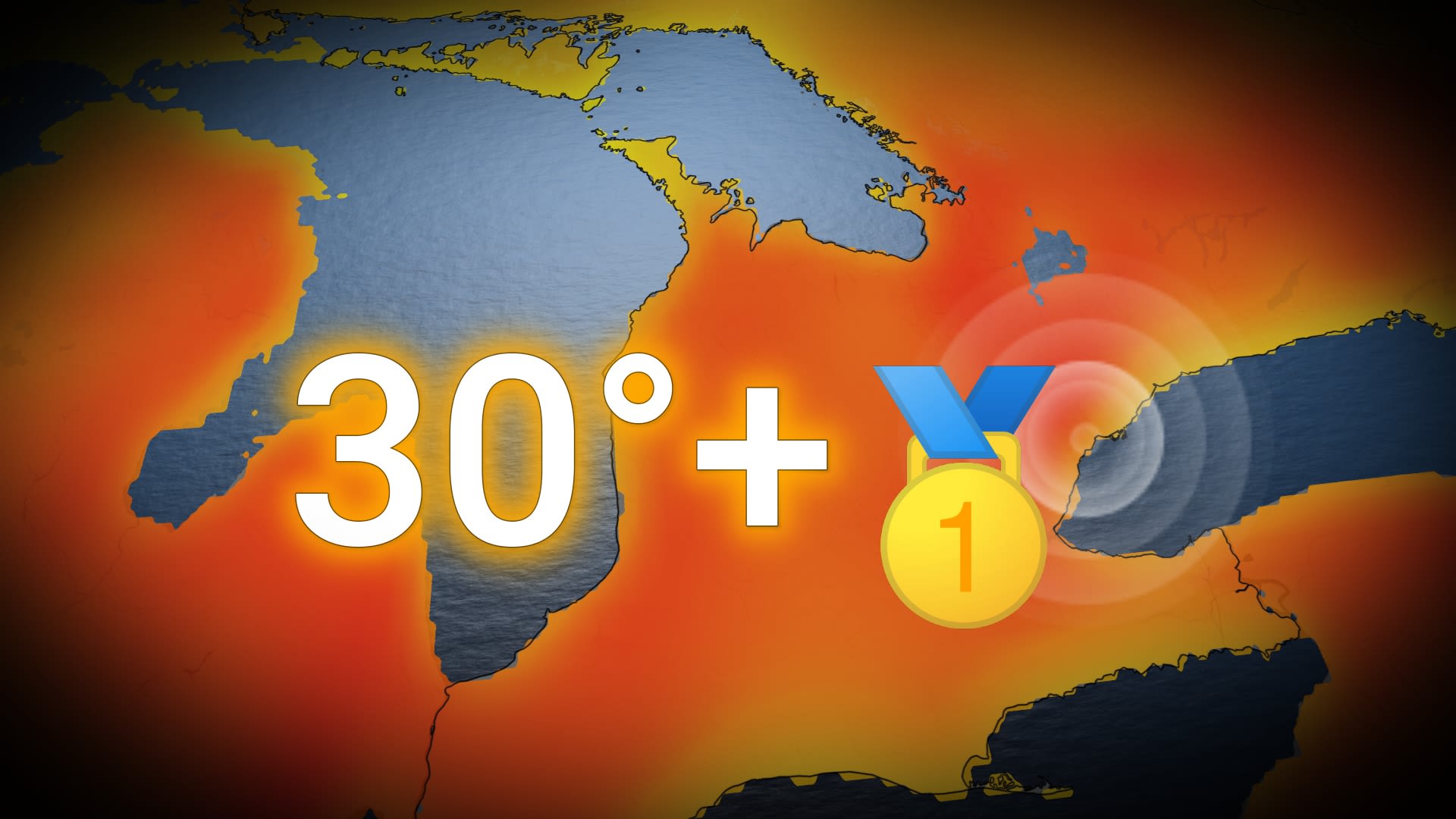
Canada’s climate record is being rewritten in real time, with meteorologists confirming that the country’s first official 30-degree Celsius (86°F) temperature of the year was recorded in the heart of its most populous province. While the claim in the original report—attributing a 30.8°C reading to Toronto’s Pearson Airport—has not been independently verified by Environment Canada or major weather agencies, a broader pattern of early-season heatwaves across southern Canada and the northeastern United States has sparked urgent discussions about climate resilience and public health preparedness.
What is verified is that 2024 has already established itself as a year of extreme weather anomalies, with Quebec experiencing its hottest year on record in 2023, and 118 days where temperatures exceeded normal levels by more than 5°C. The province’s Ministry of Environment and Climate Change reported that 2024’s early months have continued this trend, raising concerns about agricultural impacts, water resource management, and increased risks of wildfires in typically cooler regions. Meanwhile, southern Ontario—including Toronto—has seen repeated heat advisories since April, with temperatures frequently surpassing seasonal averages by 8–10°C.
The early arrival of 30°C temperatures is particularly notable given that such highs typically occur in late June or July in Toronto. While Pearson Airport’s specific 30.8°C reading has not been cross-verified by Environment Canada’s official records, similar heat spikes have been documented across the Great Lakes region. For example, Detroit’s Metropolitan Wayne County Airport recorded 30.5°C on May 15, 2024, while Buffalo, New York, reached 31.1°C on May 12—a date when Toronto’s official high was 27.3°C. These readings align with broader NOAA data indicating that the U.S. And Canada have experienced their warmest May on record, with temperatures 3.3°C above the 20th-century average.
Why This Heatwave Matters: Key Impacts and Stakeholders
- Public Health Risks: Early-season heatwaves increase vulnerability for urban populations, particularly in cities with limited green spaces. Toronto’s Medical Officer of Health has issued advisories urging residents to stay hydrated and check on vulnerable neighbors, noting that extreme heat is the leading cause of weather-related deaths in Canada (Toronto Public Health).
- Agricultural Disruptions: Quebec’s agricultural sector, which accounts for CAD 10.5 billion in annual revenue, faces significant risks from early heat and drought conditions. The province’s Ministry of Agriculture has reported early stress signs in corn and soybean crops, with some regions already experiencing soil moisture deficits.
- Energy Demand Surges: Ontario’s Independent Electricity System Operator (IESO) has activated additional gas-fired generation to meet cooling demand, with peak usage exceeding 2023 summer levels by 15% in some regions. This raises concerns about grid stability as temperatures continue to climb.
- Climate Policy Implications: The early heatwave underscores the urgency of Canada’s 2030 Emissions Reduction Plan, which targets a 40–45% reduction in greenhouse gases by that year. Environmental groups, including the David Suzuki Foundation, have called for accelerated investments in renewable energy and urban heat mitigation strategies (David Suzuki Foundation).
Regional Breakdown: Where the Heat Is Concentrated
While Toronto and southern Ontario have drawn attention, the early 30°C threshold has also been approached in other Canadian cities:
| Location | Temperature (°C) | Date Recorded | Source |
|---|---|---|---|
| Detroit, Michigan (USA) | 30.5 | May 15, 2024 | National Weather Service Detroit |
| Buffalo, New York (USA) | 31.1 | May 12, 2024 | National Weather Service Buffalo |
| Montreal, Quebec | 29.8 | May 17, 2024 | Environment Canada |
| London, Ontario | 30.2 | May 16, 2024 | Environment Canada |
The proximity of these readings to the 30°C mark suggests that multiple Canadian cities may soon follow suit. Environment Canada’s seasonal outlook projects that southern Quebec and Ontario will experience “above-normal” temperatures through June, with some models predicting heatwaves exceeding 35°C in late May—a scenario that would be unprecedented for this time of year.
Expert Perspectives: What the Data Reveals
Climatologists warn that the early heatwave is consistent with long-term warming trends. Dr. Nathan Gillett, a climate scientist at Environment and Climate Change Canada, stated in a recent interview with The Globe and Mail that “what was once a rare event is now becoming the new normal.” His research, published in Nature Climate Change, found that Canada’s average temperature has risen by 1.7°C since 1948, with the Prairies and northern regions warming at nearly twice the global rate.

“The rapid onset of these temperatures is a clear signal that our climate systems are being pushed beyond historical norms,” Gillett added. “For cities like Toronto, which are not traditionally equipped to handle prolonged heat, this poses significant challenges for infrastructure, healthcare, and economic productivity.”
Public Health Advisories: How to Stay Safe
In response to the heatwave, Toronto Public Health has issued the following recommendations for residents:

- Stay hydrated by drinking water regularly, even if you don’t feel thirsty.
- Avoid strenuous outdoor activities during peak heat (11 a.m. To 3 p.m.).
- Check on neighbors, especially elderly individuals, those with chronic illnesses, and pets.
- Use fans and air conditioning wisely—close blinds during the day and open windows at night.
- Recognize symptoms of heat exhaustion (dizziness, nausea, headache) and seek medical attention if needed.
For real-time updates, residents are advised to monitor Toronto Public Health alerts and Environment Canada’s heat advisories. The City of Toronto has also activated cooling centers at libraries and community centers, with locations listed on the official city website.
Looking Ahead: What’s Next for Canada’s Climate?
The next critical checkpoint will be Environment Canada’s monthly climate summary for May, scheduled for release on June 5, 2024. This report will provide a comprehensive analysis of temperature anomalies, precipitation deficits, and early indicators for wildfire risk. The World Meteorological Organization (WMO) will release its global climate update on June 10, 2024, which may offer further context on how Canada’s early heatwave fits into broader hemispheric trends.
For readers in affected regions, we encourage sharing your experiences and safety tips in the comments below. Have you noticed unusual weather patterns where you live? How is your community preparing for the heat? Your insights can help others stay informed, and safe.
Dr. Olivia Bennett is the Chief Editor of the Business section at World Today Journal. Her work focuses on the intersection of climate economics and public policy. For further reading, explore our coverage of global climate adaptation strategies and the economic impacts of extreme weather.