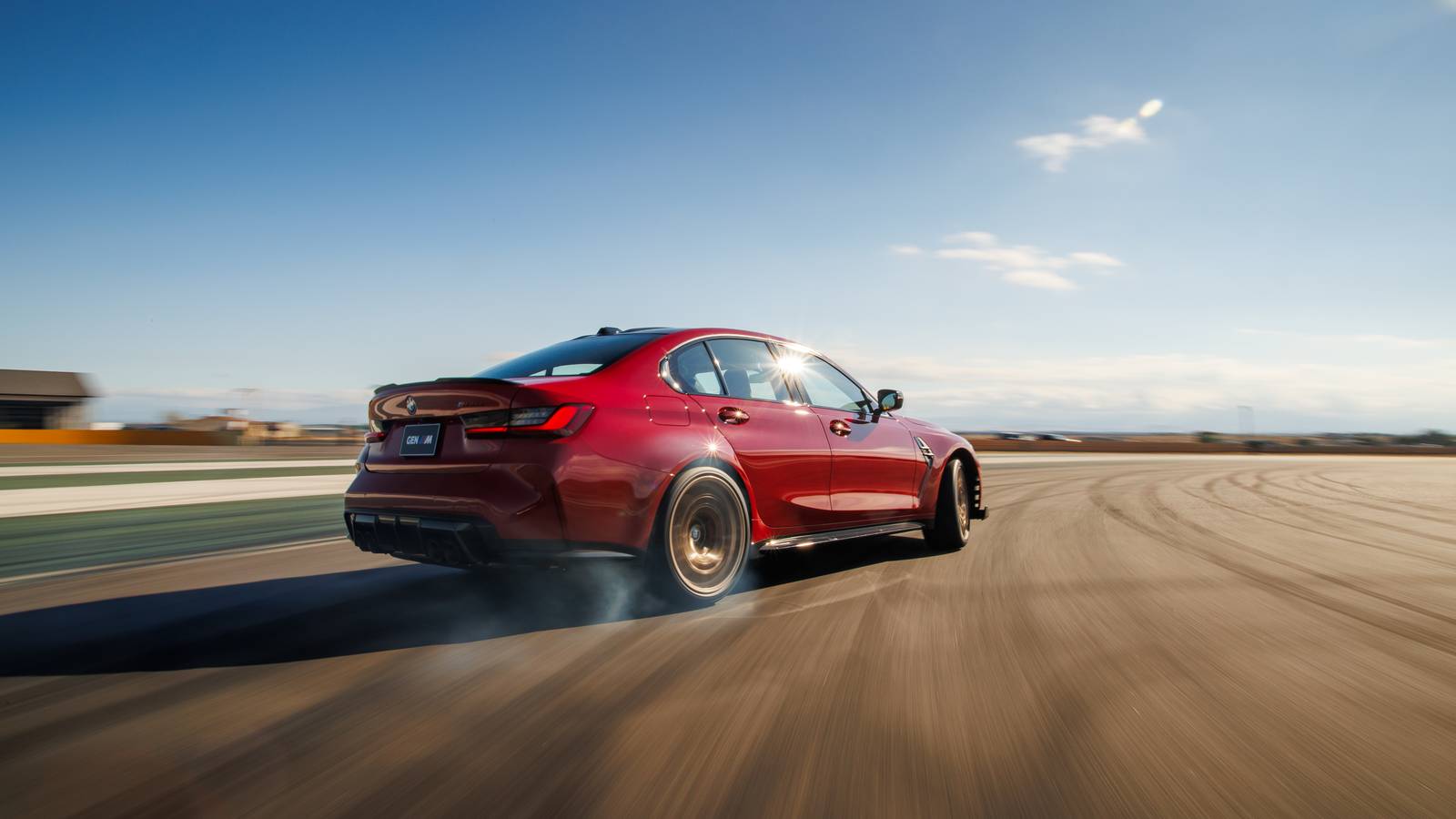
As the automotive world pivots toward electrification and automated driving systems, there remains a persistent, vocal contingent of enthusiasts who refuse to let the art of the manual transmission fade into history. BMW, a manufacturer long defined by its “Ultimate Driving Machine” ethos, is acknowledging this sentiment as the iconic M3 performance sedan reaches its 40th anniversary. The latest iteration of the M3 continues to offer a six-speed manual transmission, serving as a poignant, high-performance farewell to the traditional three-pedal setup that has defined the lineage since its inception.
For purists, the inclusion of a manual gearbox in a modern, high-output sports sedan is more than just a mechanical choice; it is a tactile connection between driver and machine. As I have tracked throughout my career in technology journalism, the industry is rapidly digitizing the driving experience, often at the expense of the visceral feedback that defined the golden age of performance motoring. The M3’s commitment to this feature, even in its twilight, highlights a strategic decision by the BMW Group to cater to its most loyal performance-focused customer base.
The Evolution of a Performance Icon
Since the launch of the original E30 M3 in the mid-1980s, the model has functioned as the benchmark for the compact sports sedan segment. Over the past four decades, the M3 has evolved from a homologation special into a sophisticated, high-tech powerhouse. According to data from the BMW Group’s 2025 annual reports, the company maintains a global manufacturing footprint that supports the complex engineering required for such high-performance vehicles, producing over 2.4 million cars annually across its international facilities.

The decision to retain a manual transmission in an era where dual-clutch and automatic gearboxes are objectively faster in terms of shift times and acceleration metrics is a bold move. It reflects a deep understanding of the “enthusiast” demographic. For these drivers, the “Handschalter”—the German term for a manual shifter—is the primary interface for managing the vehicle’s power delivery. By keeping this option available, BMW ensures that the 40th-anniversary celebrations are not merely nostalgic, but functional in a way that resonates with those who value the mechanical process of driving.
Engineering for the Purist
Technologically, the integration of a manual transmission into a modern M3 chassis requires significant calibration. Modern engine management systems must be tuned to interface with a driver-operated clutch, ensuring that torque delivery remains predictable during aggressive gear changes. This is a delicate balance of software and hardware engineering—a subject I have explored extensively through my background in computer science and digital innovation.

The current generation of M3 models showcases the pinnacle of this integration. While the industry trends heavily toward software-defined vehicles, BMW has managed to preserve the analog soul of the M3 without sacrificing the safety and stability features expected in a contemporary luxury vehicle. This commitment is supported by the company’s massive investment in research and development, with total assets exceeding €265 billion as of the 2025 fiscal year, as reported in the official BMW Group corporate disclosures.
Key Takeaways for the Performance Enthusiast
- Heritage: The BMW M3 marks 40 years of production, cementing its status as one of the most significant nameplates in automotive history.
- Mechanical Purity: The continued availability of the six-speed manual transmission remains a primary draw for drivers seeking a traditional, tactile driving experience.
- Market Positioning: By prioritizing the manual option, BMW reinforces its brand identity as the “Ultimate Driving Machine” amidst a broader industry shift toward full automation.
- Global Reach: Despite its focus on niche performance, the brand remains a global conglomerate, with production facilities spanning from Germany to the United States and China.
What Happens Next?
As we look toward the future of the M division, the industry remains focused on the next major milestones in powertrain development. While this manual-transmission M3 serves as a celebratory capstone to a 40-year legacy, the broader automotive market is awaiting the next round of official product roadmap updates from Munich. Enthusiasts should keep a close watch on the official BMW brand website for upcoming announcements regarding future performance vehicle configurations and potential limited-edition releases.
The transition toward electrification is inevitable for the wider industry, but for today, the M3 stands as a reminder that there is still a place for the manual gearbox. What are your thoughts on the future of the manual transmission in performance cars? Share your perspective in the comments below and be sure to subscribe for more updates as we continue to track the latest in automotive technology and industry trends.