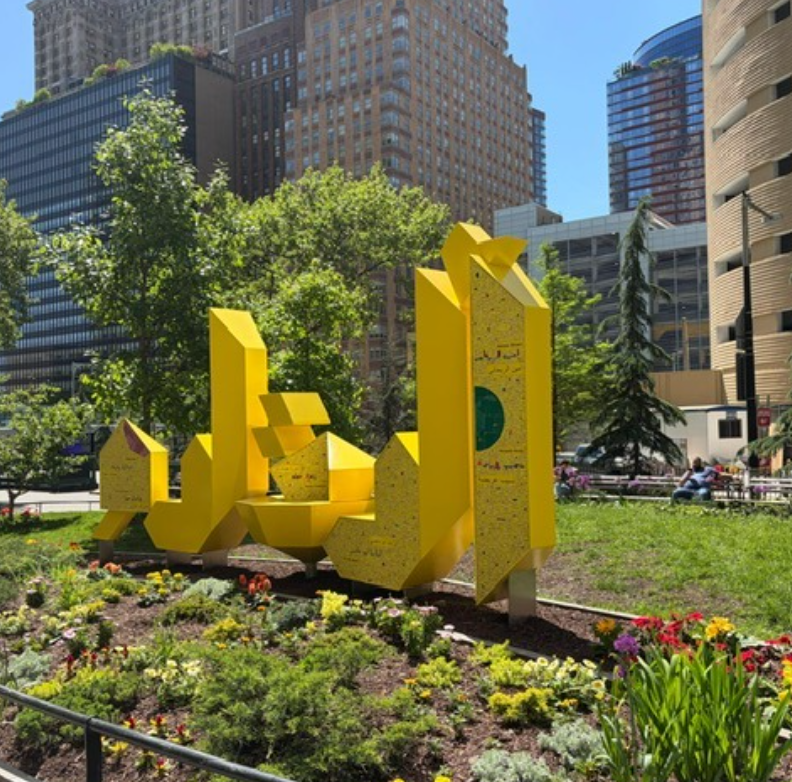
In the heart of New York City, an artistic controversy has emerged around a large-scale installation honoring a group of Arab-American writers—including the legendary Lebanese-American poet Kahlil Gibran—who shaped modern literature through their contributions during the early 20th century. The project, titled “The Circle of the Pen”, was unveiled in a prominent urban park, sparking debates about cultural representation, artistic integrity, and the legacy of diaspora writers. While the installation celebrates Gibran’s enduring influence as the author of The Prophet, a work translated into over 100 languages and sold in millions of copies, critics argue that the homage misrepresents the historical context of the writers it commemorates. The controversy underscores broader tensions between artistic tribute and historical accuracy in public spaces.
The installation, which features sculptural portraits and excerpts from the works of the “Circle of the Pen” collective, was designed to reflect the intellectual and artistic exchange between Lebanese and Syrian writers who immigrated to the U.S. In the early 1900s. Gibran, who arrived in America as a child in 1895 and later became a central figure in the Mahjar literary movement, is often associated with this group. However, historians and cultural organizations have raised questions about the accuracy of the installation’s portrayal of the collective’s dynamics, particularly regarding Gibran’s role and the political climate of the time.
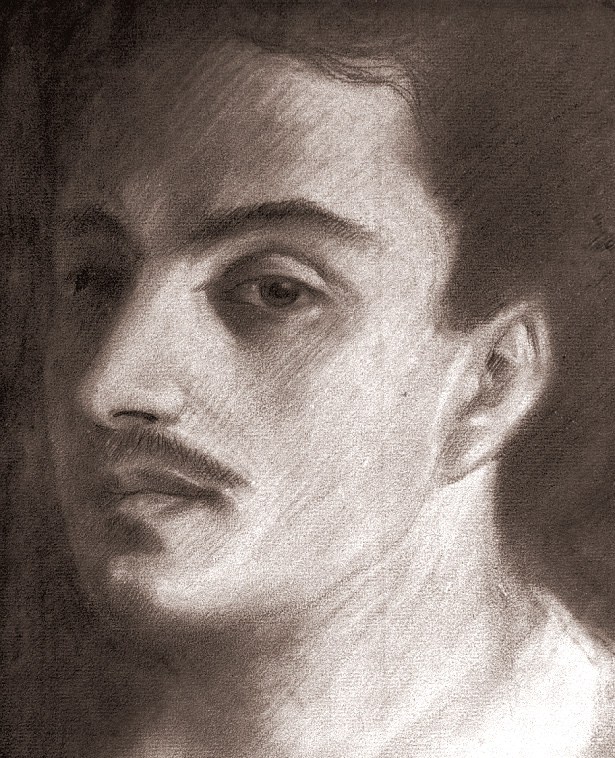
According to verified records, Gibran was born in Bsharri, Lebanon, in 1883, and his family emigrated to the United States when he was 12 years old. He studied at the Académie Julian in Paris and later became a prolific writer, artist, and philosopher, blending Arabic and English in his works. His most famous book, The Prophet, published in 1923, remains a cornerstone of spiritual and philosophical literature, with estimates suggesting it has sold over 9 million copies in the U.S. Alone [1]. The installation’s inclusion of Gibran alongside other writers from the Mahjar movement—such as Ameen Rihani and Mikhael Naïm—has drawn praise for its celebration of Arab-American literary heritage but also scrutiny over potential oversimplifications of their individual contributions.
The Controversy: Artistic Tribute vs. Historical Context
The debate centers on whether the installation accurately reflects the complexities of the “Circle of the Pen” and its members’ relationships. While Gibran is widely recognized as a unifying figure in Arab-American literature, some scholars argue that the collective was more diverse in its political and artistic perspectives than the installation suggests. For example, the group included writers who engaged with both progressive and conservative ideals, and their works often addressed themes of identity, exile, and resistance—contexts that some critics say are downplayed in the public art.

Dr. Lama Abu-Odeh, a legal scholar and expert on Arab-American history at Georgetown University, noted in a recent interview that “public art has a responsibility to educate as much as it celebrates.” She highlighted the need for such installations to contextualize the historical and political landscapes in which these writers operated, particularly during a period marked by colonialism, war, and diaspora struggles [2]. The controversy has also reignited discussions about how cultural narratives are curated in public spaces, especially in cities with significant immigrant communities.
Who Was Kahlil Gibran, and Why Does His Legacy Matter?
Kahlil Gibran (1883–1931), often referred to as Gibran Khalil Gibran, was a multifaceted figure whose work transcended borders and languages. Born in present-day Lebanon under Ottoman rule, he immigrated to the U.S. As a child and became a bridge between Eastern and Western literary traditions. His poetry, essays, and visual art explored themes of love, spirituality, and human connection, resonating with readers worldwide. Gibran’s rejection of the label “philosopher” notwithstanding, his works—particularly The Prophet—have been studied in academic circles for their philosophical depth and enduring relevance.
Gibran’s life and work reflect the broader experiences of Arab immigrants in the early 20th century, many of whom navigated the challenges of assimilation while preserving their cultural identities. The “Circle of the Pen” collective, which included Gibran, was part of this larger movement, producing literature that addressed the struggles and aspirations of the diaspora. However, the installation’s portrayal of this group has been criticized for homogenizing their diverse backgrounds and ideologies.
For instance, while Gibran’s The Prophet is celebrated for its universal themes, some of his contemporaries in the Mahjar movement wrote explicitly about the Ottoman Empire’s decline, the Armenian Genocide, and the rise of Arab nationalism—topics that are absent from the installation’s narrative. This omission has led some historians to question whether the art serves as a true homage or a simplified, sanitized version of history.
Public Reaction and the Future of the Installation
The controversy has drawn responses from both supporters and critics of the installation. Supporters argue that public art should prioritize celebration over historical precision, allowing communities to connect with their heritage in accessible ways. They point to the installation’s role in fostering dialogue about Arab-American contributions to global literature and culture.
Critics, however, emphasize the importance of accuracy in public narratives, particularly in spaces funded by municipal or private resources. They call for additional interpretive materials—such as plaques or digital guides—to provide deeper context about the writers and the era they represented. Some cultural organizations have proposed collaborating with historians to develop supplementary educational resources that accompany the installation.
As of this writing, the creators of the installation have not publicly addressed the criticisms in detail, though local arts councils are reportedly exploring ways to enhance the project’s educational value. The New York City Department of Cultural Affairs, which oversees public art installations, has stated that it encourages community feedback and will consider recommendations for improvements [3].
Key Takeaways
- Artistic Tribute vs. Historical Accuracy: The controversy highlights the tension between celebrating cultural heritage and ensuring historical representation in public art.
- Kahlil Gibran’s Legacy: Gibran’s works, particularly The Prophet, continue to influence global literature, but his role within the “Circle of the Pen” is complex and often misunderstood.
- Community Engagement: Public art projects benefit from collaboration with historians and cultural organizations to provide context and depth.
- Broader Implications: The debate reflects ongoing discussions about how immigrant narratives are presented in public spaces and the responsibility of artists to educate as well as inspire.
What Happens Next?
The next steps for the “Circle of the Pen” installation will likely involve consultations between the artists, cultural historians, and city officials to address the concerns raised. While no official timeline has been announced, the New York City Department of Cultural Affairs has indicated that it will review proposals for supplementary materials or adjustments to the installation. For those interested in following updates, the department’s website and local arts publications will provide further details as they develop.
In the meantime, the controversy serves as a reminder of the power of public art to spark conversations about history, identity, and representation. Whether the installation evolves to incorporate more historical context or remains as a celebratory homage, it underscores the importance of balancing artistic vision with cultural responsibility.
We welcome your thoughts on this topic. Should public art prioritize celebration or education? Share your perspectives in the comments below or on our social media channels. For more on cultural heritage and public art, explore our Culture section.
Related reading