
As international diplomatic efforts continue to navigate the complexities of Middle Eastern security, a new proposal from Tehran has surfaced, aiming to alter the current regional landscape. On Tuesday, May 19, 2026, Iranian officials disclosed details of a diplomatic initiative presented to the United States, seeking a comprehensive de-escalation strategy. The proposal, which emphasizes the lifting of sanctions and the release of frozen assets, has become a focal point of recent discussions regarding the future of regional stability and the ongoing challenges of international diplomacy.
The core of the Iranian proposal, as outlined by Kazem Gharibabadi, the Deputy Foreign Minister of Iran, includes a multi-faceted approach to ending hostilities. According to reports from the Deutsche Welle (DW) coverage of the situation, the initiative calls for the removal of economic sanctions, the release of blocked financial resources, and the cessation of the maritime blockade currently affecting the country. These demands are framed by Tehran as essential components for establishing a sustainable regional calm.
Key Components of the Iranian Initiative
The diplomatic overture presented by Tehran extends beyond economic relief. The proposal explicitly addresses the broader context of regional conflict. Specifically, the initiative calls for the termination of hostilities across all active fronts, with a specific mention of the situation in Lebanon. The plan includes a demand for the withdrawal of United States forces from areas in close proximity to Iranian territory and requests compensation for damages resulting from the ongoing conflict.
This proposal represents a significant, albeit challenging, attempt to redefine the parameters of the relationship between Washington and Tehran. The inclusion of compensation and troop withdrawal reflects the long-standing tensions that have characterized the geopolitical environment in the region. The complexity of these demands highlights the significant hurdles that remain for any potential breakthrough in bilateral negotiations.
Diplomatic Challenges and Regional Context
The path toward a formal negotiation process remains fraught with difficulty. Abbas Araghchi, a senior Iranian official, has previously noted that the inconsistent and often excessive positions held by the United States serve as a substantial obstacle to the progress of diplomacy. These concerns regarding the credibility and consistency of international partners have long been a recurring theme in Iranian foreign policy discourse.
The international community is currently monitoring these developments closely, as any shift in the status quo could have profound implications for global energy markets and regional security. The current situation remains fluid, with observers noting that the gap between the stated goals of both nations remains wide. The reliance on indirect channels of communication continues to complicate the ability of both parties to reach a mutually agreeable framework for de-escalation.
Looking Ahead: The Diplomatic Horizon
As of May 19, 2026, there have been no official responses from the White House regarding this specific version of the proposal. The international community, including regional allies and global powers, is waiting to see if these suggestions will serve as a foundation for renewed, substantive talks or if they will remain a unilateral statement of intent. The volatility of the situation means that developments can occur rapidly, often shifting the focus from diplomatic rhetoric to tactical maneuvering.
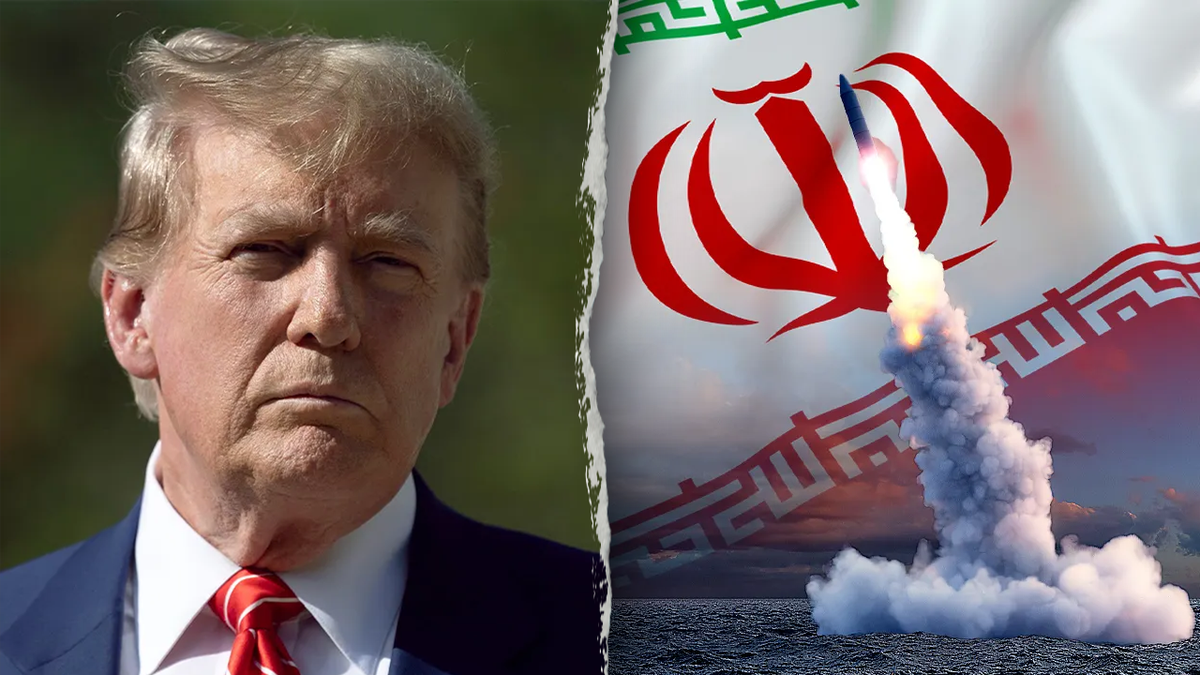
For those following the situation, clarity on the next steps will likely depend on whether Washington views these terms as a basis for formal negotiation or as a non-starter. We will continue to monitor official statements from both the U.S. State Department and the Iranian Ministry of Foreign Affairs for any indications of a shift in posture. As the situation evolves, the focus will remain on whether these diplomatic overtures can effectively move beyond the current impasse to achieve a verifiable and lasting regional settlement.
We invite our readers to share their analysis of these developments in the comments section below. Stay tuned for further updates as we continue to track this developing story.
Keep reading