
Russian President Vladimir Putin arrived in Beijing on Tuesday, May 20, 2026, for a two-day state visit aimed at deepening ties with China at a moment of heightened geopolitical tension. The trip follows closely behind U.S. President Donald Trump’s recent summit with Chinese leader Xi Jinping in Beijing, raising questions about shifting global alliances and the strategic calculus behind Moscow’s diplomatic moves. With Russia’s military engagement in Ukraine showing no signs of abating and Western sanctions tightening, Putin’s visit to China—long a cornerstone of Russia’s multipolar strategy—comes as a critical test of how far Beijing is willing to go in supporting Moscow economically and politically.
In a pre-visit address released by the Kremlin, Putin framed the relationship as having reached a “truly unprecedented level,” signaling that the partnership extends beyond symbolic gestures to concrete cooperation in energy, technology, and security. Analysts note that while China has avoided direct military or financial support for Russia’s war in Ukraine, the two nations have expanded trade, particularly in commodities like oil and gas, and aligned on opposition to Western-led institutions. The timing of Putin’s visit—just days after Trump’s own high-profile engagement with Xi—suggests a deliberate effort to counterbalance U.S. Influence in Asia, even as both Moscow and Beijing seek to stabilize their own relationships with Washington.
The visit also arrives against the backdrop of recent developments in Russia’s domestic and foreign policy. Earlier this year, Putin’s administration announced a constitutional amendment allowing him to remain in power until 2036, a move widely seen as consolidating his grip on power. Meanwhile, tensions with former allies, including Wagner Group leader Yevgeny Prigozhin, have exposed fractures within Russia’s security apparatus. Internationally, the poisoning of opposition figure Alexei Navalny in 2024 and the ongoing conflict in Ukraine have further isolated Russia, making China’s role as a potential diplomatic and economic lifeline all the more critical.
Why This Visit Matters: The Strategic Stakes
Putin’s trip to China is not merely a diplomatic courtesy but a calculated move with far-reaching implications. For Russia, China represents the largest potential market for its energy exports, particularly as European buyers scale back purchases due to sanctions. According to U.S. Energy Information Administration data, Russian oil exports to China surged by over 30% in the first quarter of 2026 compared to the same period last year, underscoring Beijing’s role as a key buyer. Beyond energy, the two countries have accelerated cooperation in semiconductor technology, artificial intelligence, and infrastructure projects under China’s Belt and Road Initiative.
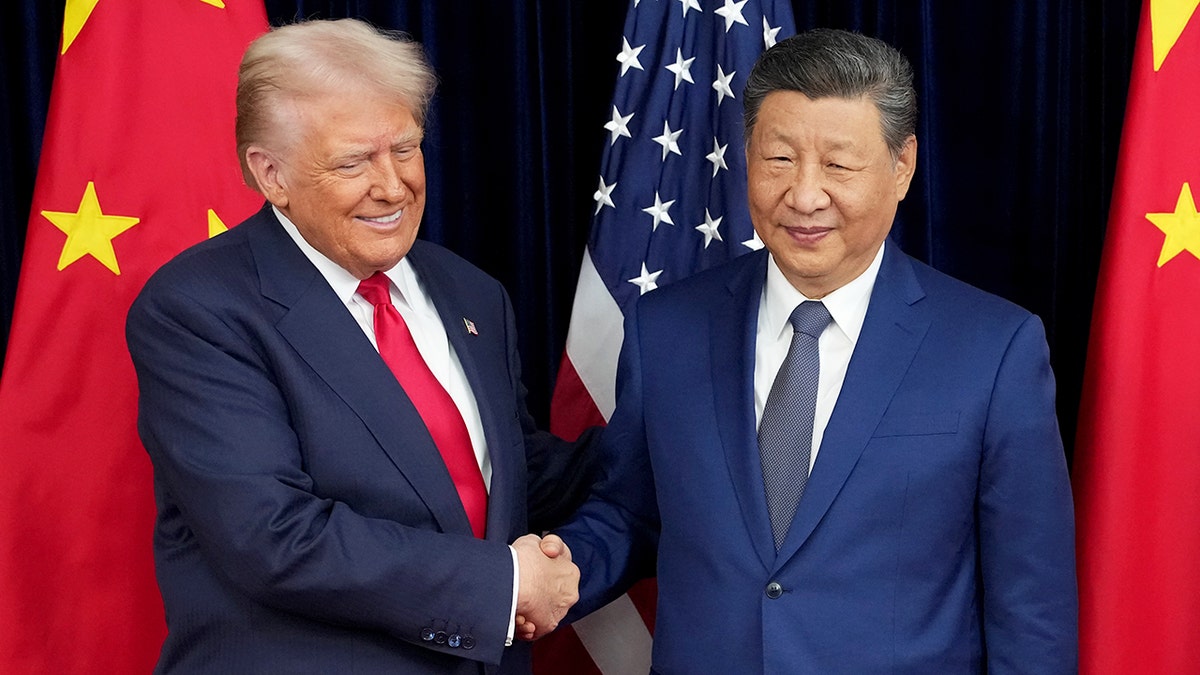
For China, the visit offers an opportunity to reinforce its stance as a global power independent of Western dominance. While Xi has sought to maintain a delicate balance—avoiding direct conflict with the U.S. While supporting Russia’s sovereignty—Beijing’s willingness to deepen ties with Moscow could provoke backlash from Washington. The recent Trump-Xi summit, where the two leaders discussed trade and Taiwan, may have left Xi eager to demonstrate China’s ability to navigate complex alliances. Putin’s visit, serves as a counterpoint: a reminder that China’s partnership with Russia is not merely transactional but rooted in shared opposition to Western hegemony.
Yet, the relationship is not without its complexities. While China has avoided condemning Russia’s actions in Ukraine, it has also refused to recognize Russia’s annexations of Ukrainian territory—a position that has frustrated Putin’s government. The visit will likely focus on economic cooperation rather than political endorsements, with both sides expected to sign agreements on trade, investment, and technology transfers. Observers suggest that any public statements on Ukraine will be carefully worded to avoid alienating either Washington or Kyiv.
Economic and Military Cooperation: What’s on the Table?
Key areas of discussion during Putin’s visit are expected to include:
- Energy deals: Expansion of pipelines and liquefied natural gas (LNG) exports to China, which has become Russia’s largest buyer of seaborne LNG. Negotiations may also cover long-term contracts for oil deliveries, with China potentially increasing its reliance on Russian crude as sanctions cut off other markets.
- Technology and AI: Collaboration on quantum computing, 5G infrastructure, and military-grade AI, areas where both countries seek to reduce dependence on Western suppliers. Reports indicate preliminary talks on joint ventures in semiconductor manufacturing, though progress has been slow due to U.S. Export controls.
- Defense and security: While China has historically avoided direct military alliances, the visit may see discussions on deepening defense ties, including joint military exercises and arms sales. Russia has already supplied weapons to China, including Su-35 fighter jets and S-400 missile systems, but larger-scale cooperation remains constrained by mutual distrust.
- Financial and trade mechanisms: Efforts to bypass Western sanctions, such as using Chinese yuan for Russian trade and exploring alternative payment systems like Russia’s Mir card network in China.
One of the most closely watched aspects of the visit is whether China will commit to new infrastructure projects in Russia, particularly in the Far East, where Moscow has struggled to attract investment. The two countries have also discussed expanding the Power of Siberia 2 gas pipeline, which would further entrench China’s energy dependence on Russia. However, environmental and logistical challenges—including protests from local communities in Russia—could delay or reshape these plans.
The U.S. Factor: Trump’s Summit and Its Aftermath
Putin’s visit to China follows closely on the heels of U.S. President Donald Trump’s own high-profile trip to Beijing, where he met with Xi Jinping to discuss trade, Taiwan, and global security. Trump’s summit, which concluded just days before Putin’s arrival, has added a layer of complexity to the geopolitical chessboard. While Trump has taken a more conciliatory approach toward China than his predecessors, his administration has maintained pressure on Russia over Ukraine, including expanded sanctions and support for Ukrainian defense.
Analysts suggest that Xi may have used Trump’s visit to signal to Putin that China’s priorities remain focused on stabilizing its relationship with the U.S., even as it deepens ties with Russia. Putin, in turn, is likely using his visit to demonstrate that Russia remains a critical partner for China, regardless of U.S. Policy shifts. The contrast between the two summits—one emphasizing economic cooperation, the other underscoring strategic alignment—highlights the competing narratives shaping global diplomacy.
For Trump, Putin’s visit to China may present a political challenge. While his administration has pursued a more pragmatic approach to China, hardliners in Congress and among U.S. Allies could interpret deepening Sino-Russian ties as a direct threat. The White House has yet to issue a formal response to Putin’s trip, but officials are expected to emphasize that the U.S. Remains committed to supporting Ukraine and maintaining pressure on Russia through sanctions and military aid.
Domestic and Regional Implications
Beyond the bilateral relationship, Putin’s visit has ripple effects across Eurasia and beyond. In Europe, where energy prices remain volatile and support for Ukraine is waning in some quarters, the visit may reignite debates about whether Russia can bypass Western sanctions through Chinese partnerships. Meanwhile, in Central Asia, where Russia and China both have significant influence, the visit could shape regional dynamics, particularly in countries like Kazakhstan and Uzbekistan, which balance ties between Moscow and Beijing.

In Russia itself, the visit is being closely watched by domestic audiences, particularly as public sentiment toward the war in Ukraine has grown increasingly critical. While state media has framed the trip as a triumph of Russian diplomacy, independent polls suggest that many Russians view China as a reluctant partner rather than a true ally. The visit may also serve as a distraction from domestic challenges, including economic stagnation and political repression, which have fueled protests in recent months.
What Happens Next: Key Checkpoints
The outcomes of Putin’s visit will unfold over the coming weeks, with several milestones to watch:
- Joint press conference: Expected on Wednesday, May 21, where Putin and Xi are likely to announce new agreements on trade, energy, and technology. Statements on Ukraine will be closely scrutinized for any shifts in China’s position.
- Economic announcements: Officials from both countries are expected to reveal details on new infrastructure projects, energy deals, and financial cooperation. Look for updates from the Chinese Ministry of Commerce and the Kremlin.
- U.S. Response: The Biden administration (assuming Trump does not return to office) or a potential second Trump administration will likely issue statements on the visit, with a focus on sanctions enforcement and support for Ukraine.
- Market reactions: Global energy markets will react to any new deals on oil and gas exports, particularly if China commits to long-term contracts. The International Energy Agency will monitor these developments closely.
For readers seeking real-time updates, the following sources provide authoritative coverage:
As the visit unfolds, one question looms large: Can China and Russia turn their strategic partnership into a tangible counterweight to Western influence, or will the visit prove to be more symbolic than substantive? The answers will shape the geopolitical landscape for years to come.
What are your thoughts on the implications of Putin’s visit to China? Share your insights in the comments below, and don’t forget to follow World Today Journal for ongoing coverage of this developing story.