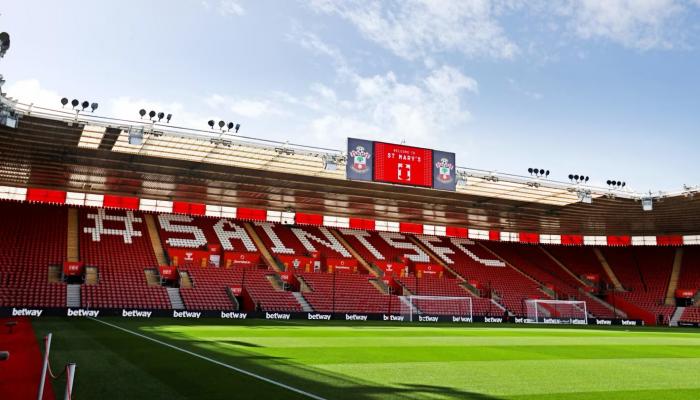
LISBON — The high-stakes race for Premier League promotion has been plunged into unprecedented turmoil following reports of an investigation into alleged “spying” activities involving Southampton FC. The unfolding situation has sent shockwaves through the English football pyramid, threatening to fundamentally alter the landscape of the upcoming Championship playoff final.
As the footballing world awaits official confirmation, reports from international media outlets suggest that Southampton could face immediate disqualification from the promotion playoffs. The allegations, which center on unauthorized intelligence gathering or “spying” on rival clubs, have raised urgent questions regarding the integrity of the competition and the regulatory oversight of the English Football League (EFL).
If the disqualification is upheld by the governing bodies, the playoff final—previously expected to feature the Saints—would be significantly restructured. Current projections suggest a potential matchup between Middlesbrough and Hull City, as the league moves to finalize the schedule following the potential removal of Southampton from the proceedings.
The Allegations: Intelligence Gathering and the “Spying” Controversy
While the specific details of the alleged misconduct remain under wraps, the core of the controversy involves claims of “spying”—a term frequently used in professional football to describe the unauthorized recording of training sessions, the use of drones to monitor rival tactics, or the illicit acquisition of proprietary scouting data. In the hyper-competitive environment of the Championship, where the financial windfall of Premier League promotion can exceed hundreds of millions of pounds, the temptation to gain an unfair tactical advantage is a constant concern for regulators.
The current reports suggest that the investigation focuses on whether Southampton officials or staff engaged in activities that breached the EFL’s strict codes of conduct regarding fair play and competitive integrity. Should the investigation conclude that a breach occurred, the sanctions could range from heavy fines and points deductions to the most severe penalty: total expulsion from the playoff tournament.
At this stage, the English Football League (EFL) has not issued a formal statement confirming the status of the investigation or any pending disciplinary actions. However, the gravity of the claims has already triggered a flurry of activity among club executives and legal teams across the division.
The High Stakes of the Promotion Race
To understand why a “spying” scandal carries such devastating weight, one must look at the economic and sporting implications of the Championship playoffs. The “richest game in football,” as the playoff final is often called, offers a direct pathway to the Premier League—a move that can transform a club’s financial trajectory overnight.
For a club like Southampton, which has been a perennial contender for top-flight football, the prospect of being disqualified due to administrative or ethical misconduct is not just a sporting disaster, but a potential corporate crisis. The impact extends far beyond the pitch, affecting:

- Financial Stability: The loss of projected Premier League television revenue and sponsorship deals.
- Player Recruitment: The ability to attract and retain elite talent is heavily dependent on a club’s status in the footballing hierarchy.
- Brand Reputation: The long-term damage to a club’s image as a fair competitor in the global market.
- Stakeholder Confidence: The reaction of investors, fans and commercial partners to allegations of systemic rule-breaking.
The suddenness of these reports has left fans and analysts alike in a state of uncertainty, with many calling for absolute transparency from both Southampton FC and the EFL to ensure the legitimacy of the promotion process remains unquestioned.
The Evolution of Football Intelligence: Scouting vs. Espionage
The controversy surrounding Southampton highlights a growing tension in modern football: the thin, often blurred line between advanced data analytics and illegal espionage. In the modern era, “intelligence” is the lifeblood of successful clubs. The use of sophisticated software, GPS tracking, and deep-learning algorithms to analyze player movements and tactical patterns is standard practice.
However, as clubs push the boundaries of what is possible with data, the regulatory framework is struggling to keep pace. The distinction between “legitimate scouting”—observing a player or team in a public or sanctioned setting—and “espionage”—the covert acquisition of private tactical information—is becoming increasingly complex.
Historically, football has seen various “spygate” scandals, often involving the illicit use of video footage or the poaching of staff members specifically to gain access to proprietary training methodologies. As the technology used to gather information becomes more sophisticated, the EFL and the Premier League face the daunting task of updating their statutes to prevent a new era of tactical theft.
What Happens Next? The Regulatory Roadmap
As the investigation progresses, the footballing community is looking toward several key milestones that will determine the fate of the Southampton campaign and the structure of the playoff final. The process will likely follow a rigorous legal and disciplinary sequence:

- The Fact-Finding Phase: The EFL’s independent regulatory commission will review all available evidence, which may include digital forensics, witness testimonies, and internal club communications.
- The Formal Hearing: If sufficient evidence of a breach is found, a formal hearing will be convened to determine the severity of the misconduct.
- The Ruling: A decision will be handed down regarding potential sanctions, including the possibility of disqualification from the playoffs.
- The Appeals Process: Any decision made by the commission will almost certainly be met with an appeal by the affected club, potentially delaying the playoff schedule.
For the clubs involved in the playoffs, such as Middlesbrough and Hull City, the situation creates a period of intense logistical and psychological pressure. They must prepare for a final that may or may not include a change in opposition, all while the shadow of the Southampton investigation looms over the entire competition.
Key Takeaways: The Southampton Controversy
- Unverified Allegations: Reports suggest Southampton FC is under investigation for “spying” or unauthorized intelligence gathering.
- Potential Disqualification: If the allegations are proven, Southampton could be expelled from the Championship playoffs.
- Altered Playoff Final: A disqualification could lead to a final featuring Middlesbrough vs. Hull City.
- Regulatory Scrutiny: The case highlights the urgent need for clearer definitions regarding scouting and data ethics in English football.
- Awaiting Official Word: No formal confirmation has been released by the EFL or Southampton FC regarding the specifics of the investigation.
The integrity of the English football pyramid relies on the belief that success is earned through merit, strategy, and hard work, rather than through clandestine intelligence operations. As this story develops, the eyes of the global sporting community remain fixed on the EFL, waiting to see how they will uphold the standards of the gorgeous game.
Next Checkpoint: We are closely monitoring the EFL’s official communication channels for any formal statement regarding the status of the investigation or the eligibility of Southampton FC for the upcoming playoff fixtures.
What are your thoughts on the impact of these allegations on the integrity of the Championship? Do you believe the current regulations are sufficient to prevent “spying” in modern football? Let us know in the comments below and share this story with your network.
Worth a look