WASHINGTON / TEHRAN — In a move that has sent shockwaves through global energy markets and heightened diplomatic tensions in the Middle East, President Donald Trump has issued a high-stakes ultimatum to the Iranian government. According to developing reports, the administration has signaled that Tehran has a narrow window of only “two to three days” to respond to specific U.S. Demands before the possibility of significant military or economic escalation becomes imminent.
The ultimatum, which places the international community on high alert, arrives at a moment of extreme volatility in the Persian Gulf. While the rhetoric from the White House suggests a readiness to act, Notice conflicting reports regarding the administration’s immediate intentions, with some indications suggesting a temporary pause in military momentum as the President weighs regional diplomatic pressures.
The window for negotiation appears to be closing rapidly. While the primary deadline is set for the next 48 to 72 hours, there are indications that the administration may extend this period, potentially allowing for diplomatic channels to remain open until the beginning of next week. This period of uncertainty has left regional stakeholders and global observers questioning whether the current standoff will culminate in a breakthrough or a major military confrontation.
A Narrow Window for Diplomacy
The core of the current crisis lies in the specific, yet unquantified, demands issued by the Trump administration to the leadership in Tehran. The President’s declaration of a two-to-three-day deadline serves as a definitive marker in a long-standing cycle of brinkmanship between Washington and Tehran. The brevity of the timeframe suggests an administration seeking to force a decisive conclusion to ongoing disputes, likely regarding nuclear capabilities, regional proxy activities, or maritime security in the Strait of Hormuz.
However, the timeline is not as rigid as it initially appeared. Observers note that the administration has signaled a willingness to wait, with some reports suggesting the deadline could be pushed into the early part of next week. This flexibility may provide a slim margin for back-channel communications to yield a tangible result before the administration shifts from diplomatic pressure to more coercive measures.
Regional Pressures and the “Freeze” on Escalation
Despite the aggressive nature of the ultimatum, the White House is not operating in a vacuum. Significant geopolitical friction is occurring behind the scenes, as allies in the Gulf region have reportedly exerted considerable pressure on the President to avoid immediate military action. These regional partners, whose economic stability is inextricably linked to the security of the Persian Gulf, have expressed concerns that a direct strike could trigger a wider regional conflagration.
This pressure has reportedly led to a “freeze” in the immediate momentum for a military strike. Rather than moving straight toward kinetic action, the administration appears to be navigating a complex path between maintaining its “maximum pressure” stance and respecting the stability concerns of its Arab allies. This hesitation highlights the delicate balancing act required of the Trump administration: projecting strength to deter Tehran while ensuring that the tactical pursuit of security does not destabilize the broader regional architecture.
The White House Perspective: “Significant Progress”
Amidst the tension, a more optimistic tone has emerged from the Vice President’s office. Vice President JD Vance has commented on the ongoing negotiations, suggesting that the administration’s recent maneuvers may be yielding results. Vance has stated that he believes “significant progress” has been made in discussions with Iran, providing a counter-narrative to the more alarmist projections of imminent war.
This discrepancy between the hardline ultimatum and the Vice President’s optimistic assessment suggests a dual-track foreign policy. One track utilizes the threat of force and strict deadlines to maximize leverage, while the second track seeks to exploit any opening for a negotiated settlement. Whether these two tracks are working in tandem or are in conflict remains to be seen, as the world awaits Tehran’s response to the looming deadline.
Key Takeaways: The Iran-US Standoff
- The Ultimatum: President Trump has issued a 2-to-3-day deadline to the Iranian government to meet specific U.S. Demands.
- Potential Extension: There are indications the deadline may be extended into early next week to allow for further diplomatic maneuvering.
- Regional Influence: Pressure from Arab allies in the Gulf has reportedly caused the administration to pause or “freeze” the immediate momentum for military action.
- Diplomatic Outlook: Vice President JD Vance has signaled that “significant progress” is being made, suggesting a potential path toward negotiation.
- Global Impact: The standoff continues to create volatility in global energy markets and heightens the risk of regional escalation.
Geopolitical Implications and Stakeholders
The outcome of this 72-hour window will have profound implications for several key stakeholders:
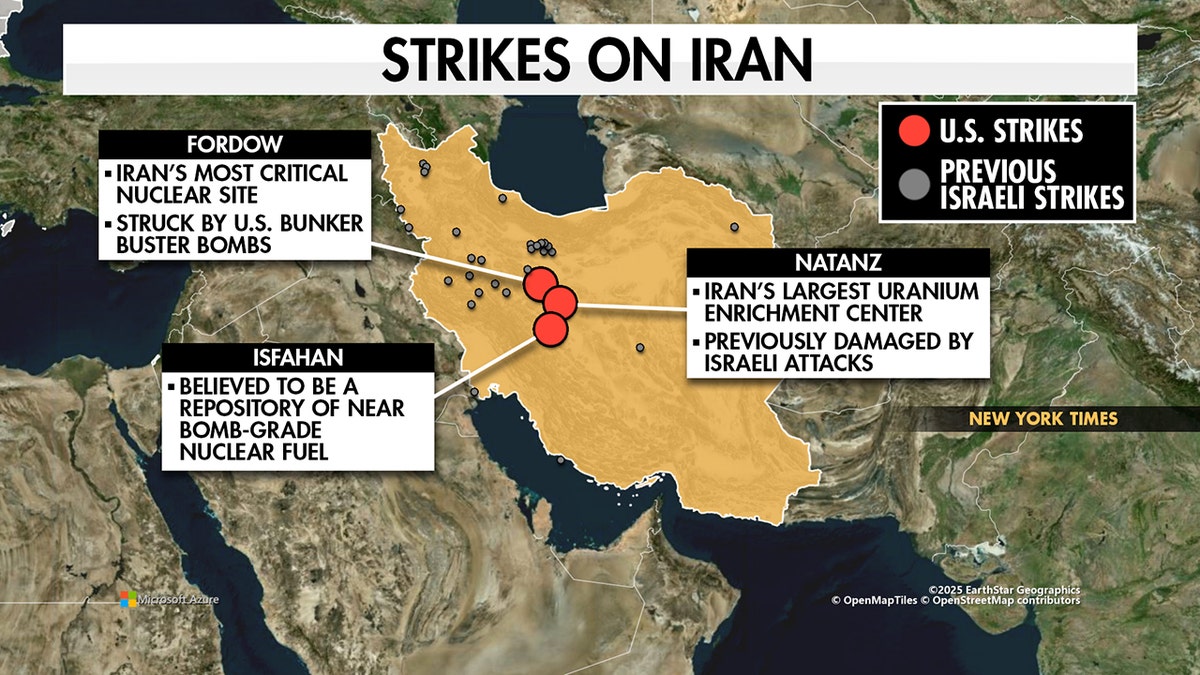
- The Iranian Government: Tehran faces a choice between concessions that may undermine its domestic standing or a response that could invite direct U.S. Intervention.
- U.S. Administration: The Trump administration must balance its promise of strength with the practical necessity of maintaining regional stability and preventing an uncontrolled escalation.
- Gulf Allies: Countries such as Saudi Arabia and the UAE are caught between the need for U.S. Security guarantees and the desire to avoid a regional war that would devastate their economies.
- Global Markets: The uncertainty surrounding the Persian Gulf continues to influence oil prices and international shipping costs, impacting global inflation and economic stability.
As the clock ticks toward the end of this diplomatic window, the international community remains focused on the movements within both Washington and Tehran. The coming days will determine whether this ultimatum is the final catalyst for a new era of engagement or the prelude to a significant military escalation in the Middle East.
Next Checkpoint: The administration is expected to provide a formal update regarding the status of negotiations and the validity of the current deadline within the next 48 hours.
For more updates on this developing story, please follow World Today Journal. We encourage you to share this report and join the conversation in the comments below.