The global economic landscape is currently grappling with the far-reaching consequences of heightened geopolitical volatility in the Middle East. As military engagements in the region continue, the financial implications are becoming increasingly clear, illustrating a fundamental truth in international economic policy: making enemies often translates into significant, long-term costs for the domestic economy. This lesson from the ongoing Iran conflict highlights how the pursuit of aggressive foreign policy objectives can lead to a precarious fiscal environment, impacting everything from national debt levels to the cost of basic consumer goods.
For global markets, the economic cost is not merely academic. The stability of the Strait of Hormuz—a critical maritime chokepoint—is essential for the global flow of oil and natural gas. Disruptions or increased tensions in this region historically trigger volatility in energy markets, which subsequently drives up shipping costs and, by extension, the prices of essential goods worldwide. When supply chains are strained by conflict, the secondary impacts on food security and industrial production become inevitable, affecting not only developed economies but also vulnerable populations in regions like Sub-Saharan Africa and South Asia.
The fiscal reality of modern warfare is often obscured by the sheer magnitude of the figures involved. When policymakers discuss multi-billion-dollar military appropriations, the scale of these expenditures can be hard for the average citizen to contextualize. However, when these costs are viewed as a percentage of the total national budget, the priorities of a government become starkly apparent. The willingness to authorize massive military spending while simultaneously restricting funding for domestic programs—such as healthcare subsidies or tax credits—represents a profound shift in national investment strategy.
The True Cost of Military Expansion
Historical data suggests that military spending does not exist in a vacuum; it often displaces other critical public investments. During the early 2000s, U.S. Military spending as a percentage of Gross Domestic Product (GDP) saw a notable increase following the commencement of operations in Afghanistan, and Iraq. Projections made prior to these conflicts had anticipated a downward trend in defense spending, yet the reality of sustained combat operations led to a significant divergence between planned and actual expenditures. This gap represents hundreds of billions of dollars annually that might have otherwise been directed toward infrastructure, education, or public health.
Understanding the “peace dividend”—the economic benefit realized when military spending is reduced during periods of lower geopolitical tension—provides a useful framework for evaluating current policy. In the 1980s and 1990s, the reduction of tensions with the Soviet Union allowed for a strategic recalibration of defense budgets. As the geopolitical climate shifted, military spending as a percentage of GDP declined, allowing for a reallocation of resources that many economists argue supported a period of robust economic growth. The decision to prioritize or abandon such dividends significantly influences a nation’s long-term economic trajectory.
Geopolitical Strategy and Economic Stability
The evolution of international alliances, particularly the expansion of NATO in the post-Cold War era, remains a subject of intense debate among foreign policy experts. While proponents argued that expansion was necessary for regional stability, critics—including various high-level officials from the Reagan administration—cautioned that such moves could inadvertently create new antagonisms. The economic cost of maintaining a “major enemy” status is high, requiring sustained and escalating investments in defense infrastructure and military readiness.
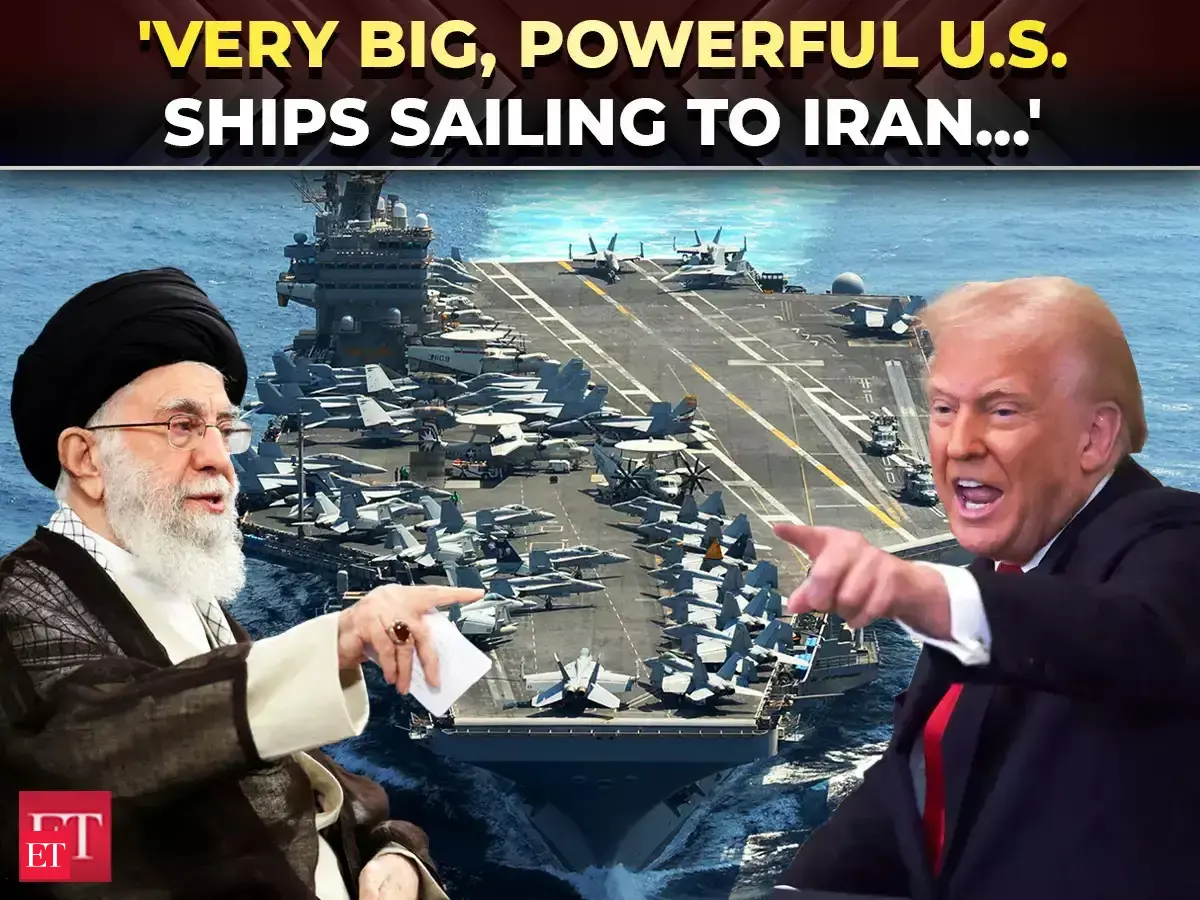
The current administration’s approach to Iran, marked by the withdrawal from the 2015 nuclear agreement and subsequent escalations, has created a complex environment for both regional security and global trade. The failure to maintain diplomatic mechanisms for addressing nuclear proliferation has contributed to a cycle of tension that directly impacts the global economy. As military budgets are proposed at levels intended to reach 5 percent of GDP, households are effectively bearing the cost of these policies through reduced availability of funds for domestic priorities. This raises a critical question for voters and taxpayers: what is the strategic objective of this increased spending, and how does it compare to the potential benefits of alternative investments?
Evaluating the Path Forward
As the U.S. Government navigates these challenges, the economic indicators suggest that the current trajectory of military-focused spending may be unsustainable. With China’s economy continuing to grow and the U.S. Maintaining complex relationships with global allies, the strategy of “seeking enemies” appears to be an inefficient and costly defense doctrine. If the primary goal of government spending is to ensure national security and economic prosperity, the current reliance on military escalation may be working against those particularly interests.
The consequences of these decisions are not limited to the current fiscal year. They set precedents for budget allocations that will dictate the availability of resources for generations to come. Transparency in budget reporting, which allows citizens to see exactly how their tax dollars are being distributed, is essential for a functioning democracy. Without clear context, the public remains unable to effectively evaluate whether their government is prioritizing their long-term well-being or pursuing objectives that may offer little in the way of tangible security.
The next major checkpoint for these fiscal discussions will occur during the upcoming congressional budget hearings, where lawmakers will be expected to debate the administration’s proposed military appropriations. These sessions will provide a critical venue for examining the necessity of such expenditures and their impact on the broader economy. We encourage our readers to monitor these developments through official government transcripts and to engage in the ongoing conversation regarding the balance between defense spending and domestic priorities. Share your thoughts on how these economic policies are affecting your community in the comments below.