
Switzerland’s fiscal landscape is undergoing a groundbreaking shift as the canton of Zug prepares to implement a radical new policy: residents could soon see a portion of their tax payments returned to them if the canton runs a budget surplus. This unprecedented move—dubbed the “Steuerrevolution” (tax revolution)—marks the first time a Swiss canton has formally proposed a direct refund mechanism for excess tax revenues, a concept that could redefine public finance transparency and citizen trust in government across the country.
The initiative comes as Zug, known globally as a hub for multinational corporations and high-net-worth individuals, grapples with a decades-long tradition of fiscal prudence. While Swiss cantons have long reported surpluses—often exceeding CHF 1 billion annually—these funds have historically been reinvested in infrastructure, education, or reserved for future deficits. Zug’s proposal, however, introduces a novel approach: allocating a portion of these surpluses directly back to taxpayers, effectively turning excess revenue into a shared dividend.
Yet the plan is not without controversy. Critics argue that such a policy could undermine long-term fiscal stability, while supporters hail it as a bold step toward greater accountability. With Zug’s government expected to unveil detailed legislation in the coming months, the move could set a precedent for other cantons grappling with how to balance surpluses in an era of rising public expectations. For now, the question remains: Will this “tax revolution” become a model for fiscal innovation—or a cautionary tale about the risks of redistributing surplus funds?
Why Zug? The Canton Leading Switzerland’s Fiscal Experiment
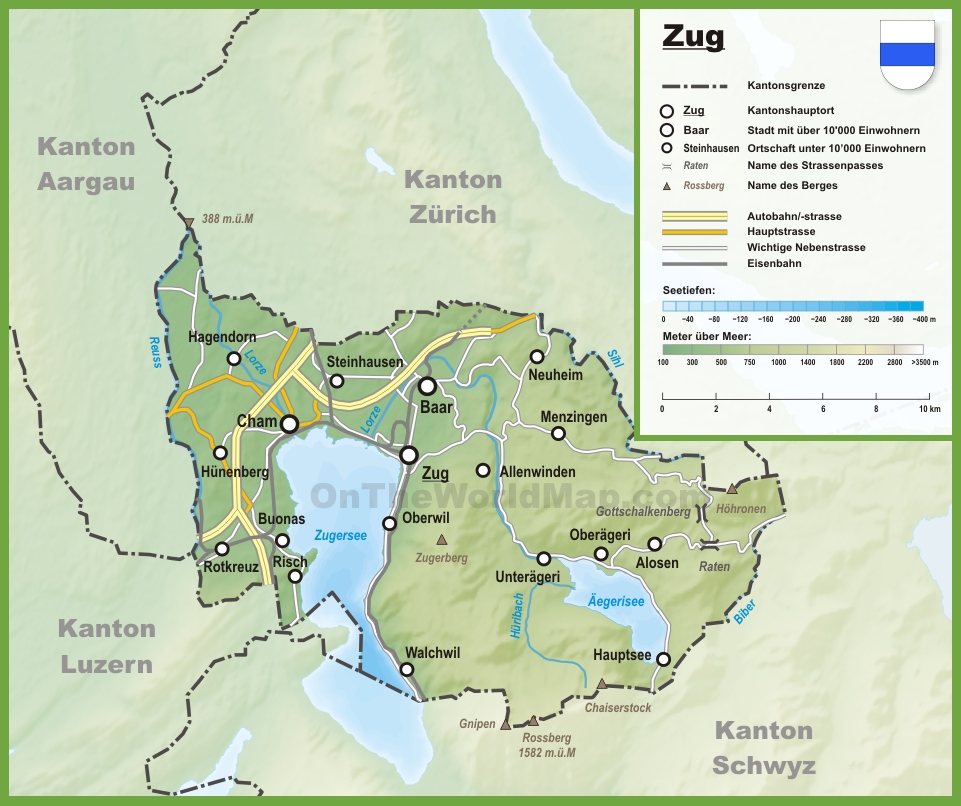
Zug, one of Switzerland’s 26 cantons, stands out for its economic dynamism. Home to over 400,000 residents and a GDP per capita among the highest in the world, Zug has long been a magnet for businesses and investors. Its tax system, while competitive by European standards, has historically prioritized reinvestment over direct citizen returns. However, recent years have seen mounting public scrutiny over how surplus funds are managed, particularly as other cantons—such as Zurich and Vaud—have faced debates over transparency and equitable distribution.
According to the Swiss Federal Statistical Office, cantons like Zug consistently report surpluses, with totals often exceeding CHF 1 billion annually. For example, in 2023, Zug’s budget surplus reached approximately CHF 800 million, a figure that could theoretically fund significant refunds if the policy were adopted. However, no canton has yet implemented a formal refund mechanism, making Zug’s proposal both ambitious and untested.
The idea of returning surplus funds to taxpayers is not entirely new. Similar concepts have been explored in other federal systems, such as Alaska’s Permanent Fund Dividend, where oil revenues are distributed annually to residents. Yet Switzerland’s decentralized fiscal structure—where cantons operate with significant autonomy—presents unique challenges. Unlike federal programs, a cantonal refund policy would require local legislative approval, public buy-in, and careful design to avoid unintended consequences, such as reduced revenue for essential services.
How Would It Work? Key Proposals and Challenges
While official details of Zug’s proposed policy remain under development, leaked discussions suggest several potential structures:
- Proportional Refunds: Residents would receive a percentage of their annual tax payments back, calculated based on the canton’s surplus. For example, if Zug’s surplus were CHF 1 billion and the policy targeted a 10% refund rate, eligible taxpayers might see returns ranging from CHF 100 to CHF 1,000 annually, depending on their tax bracket.
- Flat Dividend: A fixed amount per taxpayer, regardless of income, could be introduced to ensure broad participation. This model aligns with Alaska’s approach but would require Zug to define eligibility criteria carefully to avoid overburdening low-income households.
- Conditional Refunds: Some proposals link refunds to specific fiscal milestones, such as maintaining a surplus for three consecutive years, to ensure sustainability.
However, challenges abound. Fiscal experts warn that over-reliance on surplus refunds could incentivize cantons to underinvest in critical areas like infrastructure or education. The policy’s political viability hinges on public support—a factor that remains untested. “This is uncharted territory for Switzerland,” notes SwissInfo in a recent analysis. “While the idea resonates with voters’ demands for transparency, the execution will require careful balancing of economic and social priorities.”
Stakeholders and Reactions: Who Stands to Gain—or Lose?
The potential impacts of Zug’s policy extend beyond its borders, with implications for Swiss fiscal policy, corporate taxation, and citizen-government relations. Here’s how key groups are likely to be affected:
- Residents: If implemented, Zug’s policy could position the canton as a leader in fiscal innovation, potentially attracting residents who prioritize transparency and direct benefits. However, critics argue that refunds might disproportionately benefit high earners, widening inequality rather than addressing it.
- Businesses: Zug’s reputation as a low-tax haven could be both bolstered and complicated. While refunds might appeal to individual taxpayers, corporations could view the policy as destabilizing if it signals unpredictable fiscal management.
- Other Cantons: Should Zug’s experiment succeed, neighboring cantons—particularly those with surpluses like Zurich or Vaud—may explore similar measures. Conversely, failure could reinforce the status quo of reinvestment over redistribution.
- Federal Government: While cantons operate autonomously, the federal government may monitor Zug’s approach closely. Any shift in cantonal fiscal behavior could have broader implications for Switzerland’s economic stability and inter-cantonal equity.
Public opinion polls in Zug suggest cautious optimism. A recent survey by Leaders.ch indicated that 58% of respondents supported the concept of surplus refunds, though only 34% believed it should be a top priority. The gap highlights the need for clear communication about the policy’s design and potential trade-offs.
Precedents and Comparisons: How Does Zug’s Plan Stack Up?
Zug’s proposed policy is not the first attempt to return surplus funds to citizens, but This proves the first in Switzerland. Here’s how it compares to other models:
| Policy | Location | Funding Source | Refund Mechanism | Annual Payout (Est.) | Key Challenge |
|---|---|---|---|---|---|
| Alaska Permanent Fund Dividend | United States | Oil revenues | Flat dividend per resident | ~USD 1,000–2,000 | Dependence on volatile oil prices |
| Norway’s Government Pension Fund | Norway | Sovereign wealth fund | One-time payouts (rare) | Varies (last payout: ~NOK 8,000) | Political resistance to frequent payouts |
| Proposed Zug Surplus Refund | Switzerland | Cantonal tax surpluses | Proportional or flat dividend | CHF 100–1,000 (hypothetical) | Sustainability and equity design |
While Alaska’s model demonstrates the feasibility of surplus distributions, Switzerland’s decentralized system presents unique hurdles. Unlike federal programs, Zug’s policy would require local legislative approval and could face legal challenges if it conflicts with existing cantonal financial regulations. “The devil is in the details,” warns Swiss legal experts, emphasizing the need for clear guidelines on eligibility, funding sources, and long-term sustainability.
What Happens Next? The Roadmap for Zug’s Fiscal Revolution
Zug’s government has indicated that the policy will undergo rigorous public consultation before any legislation is introduced. Key milestones include:
- Public Hearings: Scheduled for late 2026, these sessions will allow residents, businesses, and stakeholders to voice concerns and suggestions. Dates and locations will be announced by the Canton of Zug’s official website.
- Legislative Draft: Expected in early 2027, the draft will outline the refund structure, eligibility criteria, and funding sources. A vote by Zug’s parliament will follow.
- Referendum Possibility: If approved by parliament, the policy could face a public referendum, where Zug’s residents will have the final say. Swiss referendums are binding, meaning the outcome will determine the policy’s fate.
- Pilot Phase: Should the policy pass, Zug may implement a phased rollout, starting with a small percentage of the surplus to gauge public and economic impact.
The timeline underscores the cautious approach Zug is taking. Unlike rapid policy shifts in other countries, Switzerland’s consensus-driven system ensures thorough debate. “This is not a rushed experiment,” says Dr. Markus Feldmann, a fiscal policy expert at the University of Zurich. “It’s a deliberate exploration of how to align fiscal responsibility with citizen expectations.”
Key Takeaways: What This Means for Switzerland—and Beyond
- Fiscal Transparency: Zug’s policy could set a new standard for how cantons communicate surplus management, potentially increasing public trust in government finances.
- Inter-Cantonal Competition: If successful, other cantons may adopt similar measures, creating a fiscal arms race where transparency and citizen benefits become key differentiators.
- Economic Implications: Businesses and high-net-worth individuals may reassess Zug’s attractiveness, balancing lower taxes against the potential for refunds.
- Global Precedent: Switzerland’s decentralized model offers a unique case study for other federal systems exploring surplus redistribution.
- Political Risks: The policy’s success hinges on careful design to avoid unintended consequences, such as reduced revenue for public services.
For now, Zug’s “Steuerrevolution” remains a work in progress. As the canton navigates public consultations and legislative hurdles, the world will watch to see whether this bold experiment in fiscal innovation can deliver on its promise—or become a cautionary tale about the complexities of redistributing surplus funds.
The next critical checkpoint is the public hearings scheduled for late 2026. Residents and stakeholders are encouraged to participate and share their perspectives. For updates on the policy’s development, visit the Canton of Zug’s official website or follow official announcements from the cantonal government.
What do you think about Zug’s plan to return surplus funds? Could this model work in your country? Share your thoughts in the comments below—or tag us on social media to join the conversation. #ZugTaxRevolution #SwissFiscalPolicy #SurplusRefunds
Worth a look