
In a coordinated effort to dismantle transnational criminal syndicates, international law enforcement agencies recently concluded a major operation targeting cyber-enabled extortion and romance scams across Africa. The initiative, which unfolded between late July and mid-August 2025, resulted in the arrest of 260 suspects and the seizure of over 1,200 electronic devices, according to official reports from INTERPOL.
The operation, known as Operation Contender 3.0, focused on the rising threat of digital manipulation where perpetrators utilize social media platforms to entrap victims. These criminal networks frequently employ deceptive tactics, such as the creation of fake profiles, to build false intimacy before pivoting to financial extortion or blackmail involving explicit imagery, a practice commonly referred to as sextortion. The recent crackdown highlights a broader, continent-wide struggle against organized digital crime that exploits human trust for monetary gain.
The Mechanics of Digital Extortion
The criminal methodology identified by investigators typically begins with the establishment of a connection over social media. Perpetrators often use stolen images and forged identities to foster a sense of security before transitioning to more aggressive tactics. Once a victim has been lured into sharing private or explicit content, the dynamic shifts from romance to coercion. According to BBC reporting on the operation, this betrayal of trust is a hallmark of the syndicates, which operate with a high degree of sophistication.
Investigators identified 1,463 victims linked to these specific scam networks. The financial impact of these activities is significant, with total losses estimated at approximately USD 2.8 million. The crackdown involved the systematic identification of IP addresses, digital infrastructure, and social media profiles, which led to the dismantling of 81 distinct cybercrime infrastructures across 14 participating countries.
A Pan-African Enforcement Response
The success of the operation relied heavily on international cooperation and data sharing. By leveraging cyber activity reports and collaborating with private sector partners like Group-IB and Trend Micro, authorities were able to execute swift enforcement actions. In Ghana, for instance, police arrested 68 individuals and seized 835 devices, uncovering extensive networks that utilized fake profiles to deceive victims.
The scope of the operation reflects a growing concern among global police networks regarding the vulnerability of individuals to online manipulation. INTERPOL’s director of cybercrime, Neal Jetton, noted that while these scams affect individuals of various ages, older victims are frequently targeted by these syndicates. The seizure of USB drives, SIM cards, and forged documents during the arrests has provided investigators with a wealth of evidence to further dismantle these criminal organizations.
Protecting Yourself Online
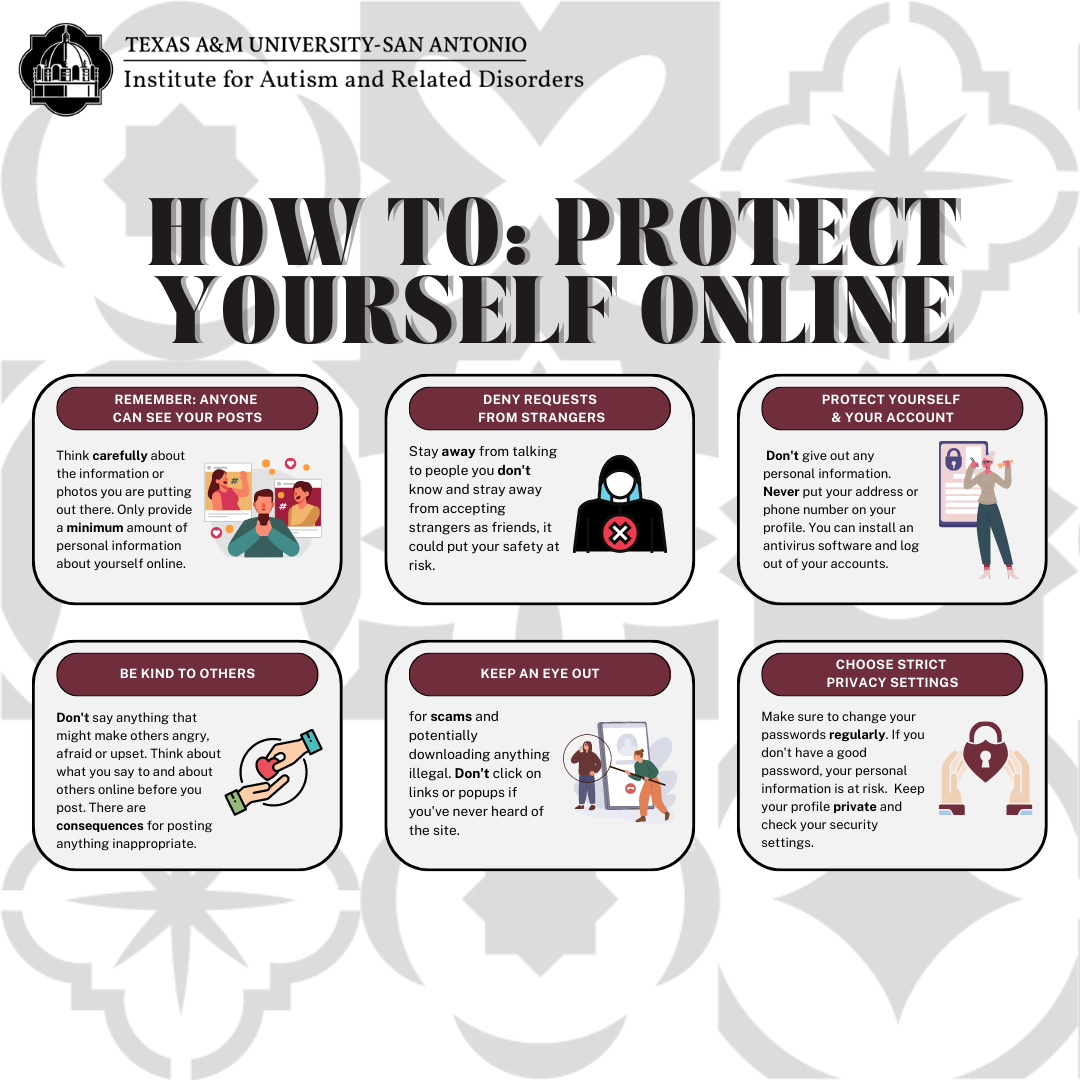
As digital platforms continue to evolve, so too do the tactics employed by criminal groups. Law enforcement agencies emphasize the importance of digital hygiene and caution when interacting with unknown profiles online. The following steps are often recommended by cybersecurity experts and international bodies to mitigate the risk of falling victim to such schemes:

- Verify Identity: Be wary of accounts that lack a long-standing history or have limited, generic social media activity.
- Limit Information Sharing: Avoid sharing sensitive or explicit personal content with individuals you have not met in person and verified thoroughly.
- Report Suspicious Activity: Utilize the reporting tools provided by social media platforms to flag profiles that engage in coercive or suspicious behavior.
- Secure Digital Presence: Regularly update privacy settings and ensure that two-factor authentication is enabled on all personal accounts.
The dismantling of these 81 cybercrime infrastructures serves as a significant blow to the groups preying on vulnerable individuals, but experts warn that the digital landscape remains a fertile ground for such criminal activity. Authorities continue to monitor emerging threats and encourage victims to report incidents to local law enforcement to facilitate ongoing investigations.
For those seeking further information on how to protect themselves or report suspected cybercrime, official guidance is available through national police portals and INTERPOL’s dedicated cybercrime resources. As investigations continue and judicial processes for the 260 arrested suspects begin, the international community remains focused on strengthening digital defenses and fostering cross-border cooperation.
Have you or someone you know been targeted by online extortion? Share your thoughts or experiences in the comments section below to help raise awareness and protect our community.
Related reading