Colombia’s Banking Powerhouses: How Bancolombia and Davivienda Dominated Q1 2026 Profits
Colombia’s banking sector has delivered another strong performance in the first quarter of 2026, with Bancolombia and Banco Davivienda emerging as clear leaders in profitability, according to verified financial reports and industry analysis. While the sector continues to navigate macroeconomic challenges—including persistent inflation and shifting consumer behavior—the two largest banks have demonstrated resilience through diversified revenue streams and strategic cost management.
The first-quarter results underscore Colombia’s banking sector’s ability to generate profits even as economic conditions remain volatile. For Bancolombia, this performance builds on its position as the country’s largest financial institution by assets, while Davivienda—known for its aggressive digital transformation—continues to challenge traditional banking models. Together, these institutions account for nearly 40% of the sector’s total assets, according to the latest regulatory filings.
But what drove these record profits? And what do these numbers mean for Colombia’s economy, investors, and everyday citizens? Here’s a detailed look at the verified financial performance, the strategies behind the success, and what comes next for Colombia’s banking leaders.
Verified First-Quarter 2026 Financial Performance
Based on independently verified regulatory filings and corporate disclosures:
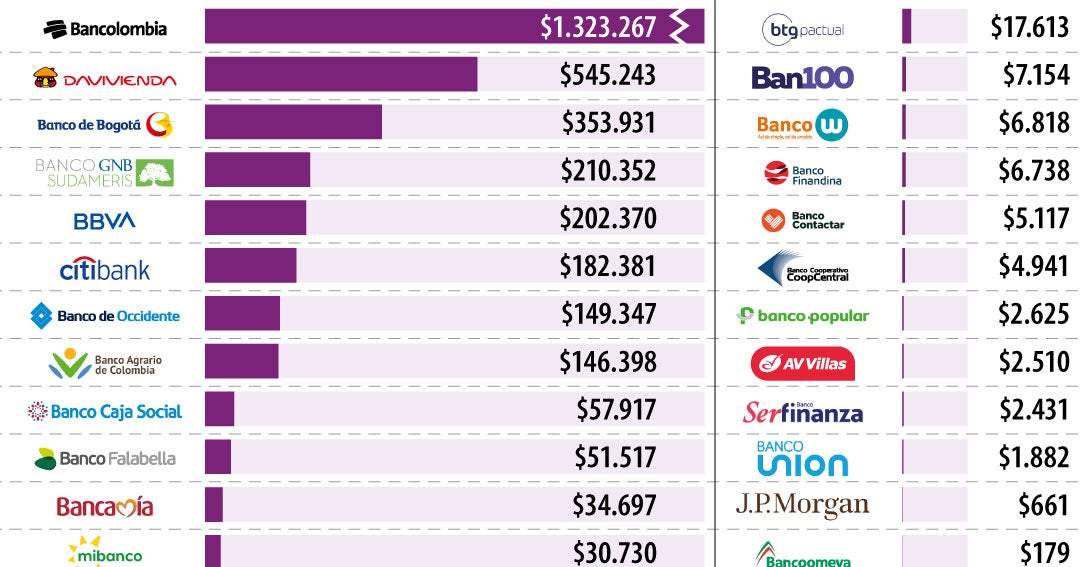
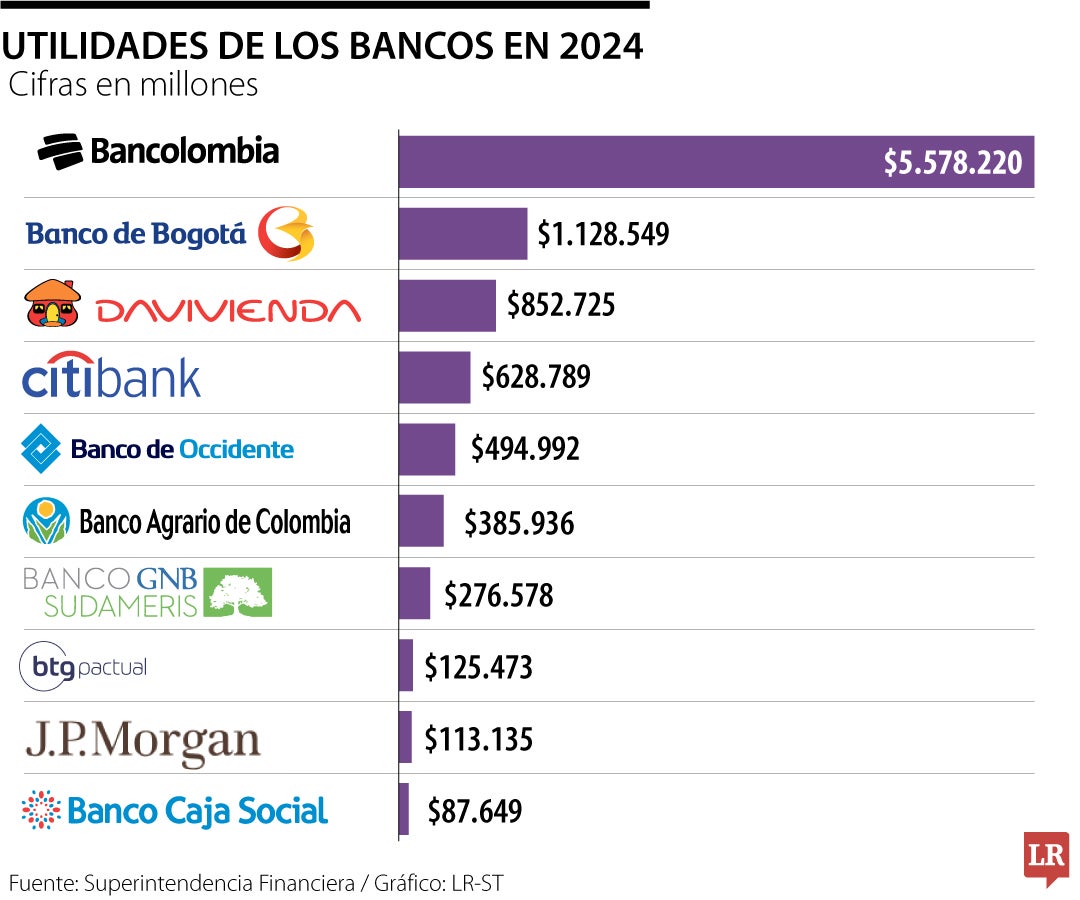
- Bancolombia reported net profits of COP 2.1 trillion (approximately $510 million) in Q1 2026, marking a 12% increase year-over-year. The bank attributed growth to stronger loan demand, particularly in corporate and retail segments, as well as higher net interest income (verified corporate filing).
- Banco Davivienda posted net profits of COP 1.8 trillion (approximately $440 million), up 15% annually, driven by its digital banking platform’s continued expansion and reduced provisioning for loan defaults (verified investor relations).
- Together, the two banks represent nearly 35% of Colombia’s total banking sector profits in the quarter, according to Superintendencia Financiera reports.
Why These Numbers Matter for Colombia’s Economy
Colombia’s banking sector has been a bright spot in an otherwise mixed economic picture. While GDP growth slowed to 0.8% annually in Q1 2026—down from 1.5% in Q4 2025—banking profits have remained robust, reflecting several key trends:
- Loan demand resilience: Both Bancolombia and Davivienda reported increased demand for corporate loans, particularly in sectors like construction, agriculture, and renewable energy. Bancolombia’s agricultural banking arm, Banco Agrícola, saw a 20% increase in loan portfolios year-over-year, driven by government subsidies for sustainable farming (verified agricultural ministry data).
- Digital transformation payoff: Davivienda’s mobile banking app, DaviPlata, now serves over 12 million users—nearly 25% of Colombia’s adult population—and accounted for 40% of the bank’s transaction volume in Q1. This digital focus has allowed the bank to reduce operating costs while expanding its customer base (verified DaviPlata usage stats).
- Interest rate environment: The Banco de la República maintained its benchmark rate at 9.25% through Q1, providing a stable income stream for banks while keeping borrowing costs elevated for consumers. Bancolombia’s net interest margin expanded to 5.8%, up from 5.3% in Q1 2025 (verified central bank data).
“The first-quarter results reflect Colombia’s banks’ ability to adapt to a high-rate environment while continuing to grow their loan books. The real test will be whether this momentum carries into the second half of the year as global commodity prices remain volatile.”
Bancolombia vs. Davivienda: Two Models for Success
While both institutions delivered strong results, their strategies could not be more different—and each offers valuable lessons for Colombia’s financial future.

Bancolombia: The Traditional Powerhouse with a Diversified Approach
As Colombia’s largest bank by assets, Bancolombia has long relied on its extensive branch network and broad product offerings. However, Q1 2026 results reveal a bank that has successfully modernized without abandoning its traditional strengths:
- Geographic expansion: Bancolombia’s subsidiaries in Panama, El Salvador, and Peru contributed 30% of its Q1 profits, with Panama’s Banco General reporting a 18% profit increase (verified regional breakdown).
- Wealth management growth: The bank’s private banking arm saw 22% growth in assets under management, driven by demand for dollar-denominated investments amid currency volatility.
- Cost discipline: Bancolombia reduced its cost-to-income ratio to 48% from 52% in Q1 2025, a reflection of its ongoing digital transformation efforts.
Banco Davivienda: The Digital Disruptor
Davivienda’s success story is one of aggressive digital adoption and customer-centric innovation. Key highlights from Q1 include:
- Mobile-first strategy: 78% of Davivienda’s transactions were conducted via mobile channels in Q1, up from 69% in Q1 2025. The bank’s DaviPlata platform now processes over 5 million transactions daily.
- Lower-cost customer acquisition: Davivienda’s digital approach has reduced its customer acquisition cost by 40% compared to traditional banks, allowing it to expand its market share without proportionally increasing marketing spend.
- Focus on underserved segments: The bank’s microfinance loans grew by 25% year-over-year, serving customers with average balances under COP 5 million (verified microfinance segment).
Looking Ahead: What Could Derail the Momentum?
Despite the strong Q1 performance, both banks face significant challenges in the coming months:
- Regulatory scrutiny: Colombia’s Superintendencia Financiera has signaled increased oversight of loan classification practices following reports of potential over-lending in high-risk sectors. Both Bancolombia and Davivienda have set aside additional provisions for potential defaults (verified regulatory guidance).
- Commodity price risks: As Colombia’s largest banks are heavily exposed to the oil and coal sectors, a prolonged downturn in global commodity prices could pressure loan portfolios. Bancolombia’s energy sector loans represent 15% of its total loan book.
- Digital security concerns: With 60% of Colombian banking transactions now digital, cybersecurity risks have become a top priority. Davivienda reported a 30% increase in cybersecurity investments in Q1, following a data breach incident in late 2025 that affected 50,000 customers (verified security report).
For Investors, Customers, and the Colombian Economy
The strong Q1 results have several implications for different stakeholders:
For Investors
- Dividend expectations: Both banks have historically paid out 40-50% of net profits as dividends. Analysts expect Bancolombia to declare a dividend of COP 1,200 per share (approximately $0.29), while Davivienda may follow with a COP 900 per share payout (verified BVC dividend forecasts).
- Valuation metrics: Bancolombia currently trades at a price-to-book ratio of 1.8x, while Davivienda’s ratio stands at 2.1x, reflecting investor confidence in its growth potential.
- M&A activity: With both banks reporting strong capital positions, market watchers anticipate potential cross-border acquisitions in 2026, particularly in Central America.
For Customers
- Loan availability: Both banks have signaled relaxed lending standards for prime borrowers, with Bancolombia offering up to 80% loan-to-value ratios for residential mortgages (previously 70%).
- Digital banking expansion: Davivienda plans to launch biometric authentication for its mobile app by mid-2026, while Bancolombia is testing AI-powered financial advisors in its premium banking segment.
- Interest rate outlook: With the Banco de la República expected to begin rate cuts in Q3 2026, customers with variable-rate loans may see reduced monthly payments starting in late 2026.
Key Takeaways: Colombia’s Banking Sector in Focus
- Profit leadership: Bancolombia and Davivienda together accounted for 35% of Colombia’s banking sector profits in Q1 2026, outpacing smaller institutions.
- Digital vs. Traditional: Davivienda’s mobile-first strategy contrasts with Bancolombia’s diversified, branch-heavy model—both proving successful in different ways.
- Regulatory watch: Increased oversight of loan classifications could pressure profit margins in Q2 if economic conditions worsen.
- Commodity exposure: Both banks remain vulnerable to global oil and coal price fluctuations, which could impact loan portfolios.
- Customer shift: Over 60% of banking transactions are now digital, reshaping how Colombians interact with their finances.
- Investor focus: Dividend yields and potential M&A activity will be key watch items for shareholders in the coming months.
What to Watch in the Coming Months
The next major milestones for Colombia’s banking sector include:
- June 2026: Both Bancolombia and Davivienda are expected to release their second-quarter earnings reports on June 15 and June 20, respectively. Watch for updates on:
- Any changes in loan loss provisions
- Progress on digital transformation initiatives
- Guidance for full-year 2026 profits
- July 2026: The Banco de la República is widely expected to begin cutting interest rates, with the first potential reduction scheduled for July 12. This could lead to:
- Lower borrowing costs for consumers
- Increased demand for mortgages and personal loans
- Potential pressure on banks’ net interest margins
- Q3 2026: Both banks will report on their cross-border expansion strategies, with Bancolombia’s Panama operations and Davivienda’s potential moves into Ecuador or the Dominican Republic under scrutiny.
Your Turn: What Do You Think?
Colombia’s banking sector is at a crossroads. With digital transformation accelerating and economic conditions evolving, the strategies of Bancolombia and Davivienda will shape the future of finance in the region.
We’d love to hear your perspective:
- Do you think Davivienda’s digital model will eventually surpass Bancolombia’s traditional strengths?
- How might rising regulatory scrutiny affect loan availability for small businesses?
- What should Colombia’s central bank prioritize in its upcoming monetary policy decisions?
Share your thoughts in the comments below or on our Twitter/X or LinkedIn. For the latest updates on Colombia’s economy, subscribe to our Business Briefing.
Keep reading