
The journey of an elite athlete is rarely a linear trajectory. For Indian trap shooter Shapath Bharadwaj, the path to international competition has been defined by resilience, tactical precision, and a steadfast commitment to his craft. Representing India at the highest levels of competitive shooting requires not only physical stamina but an immense psychological fortitude to navigate the pressures of global sporting arenas.
As the landscape of international shooting sports continues to evolve, athletes like Bharadwaj serve as a testament to the rigorous training standards maintained by the National Rifle Association of India (NRAI). His return to elite-level competition underscores the depth of talent emerging from India’s regional shooting hubs, bringing renewed focus to the technical demands of the trap discipline.
The Evolution of a Competitive Trap Shooter
Trap shooting is a sport of margins, where success is often measured in fractions of a second and millimeters of trajectory. The International Shooting Sport Federation (ISSF) outlines the complex technical requirements for trap events, emphasizing the need for consistent performance under varying environmental conditions. For Bharadwaj, transitioning from regional success to representing India on the continental stage has involved years of specialized conditioning.
His development as a marksman has been closely monitored by national selectors, who look for athletes capable of maintaining focus during high-stakes qualifiers. The transition to senior-level competition is a significant milestone for any shooter, requiring an adjustment to the increased volume of international travel, equipment maintenance, and the psychological demands of representing a nation with a growing footprint in global shooting sports.
Navigating the Path to the Asian Games
The Asian Games represent one of the most prestigious platforms for athletes across the continent, acting as a critical benchmark for performance before the Olympic cycle. Preparing for such an event involves a multi-layered approach to sports science and mental health. Athletes often face significant logistical hurdles, from securing specialized ammunition and optics to managing the rigorous schedule of international training camps.
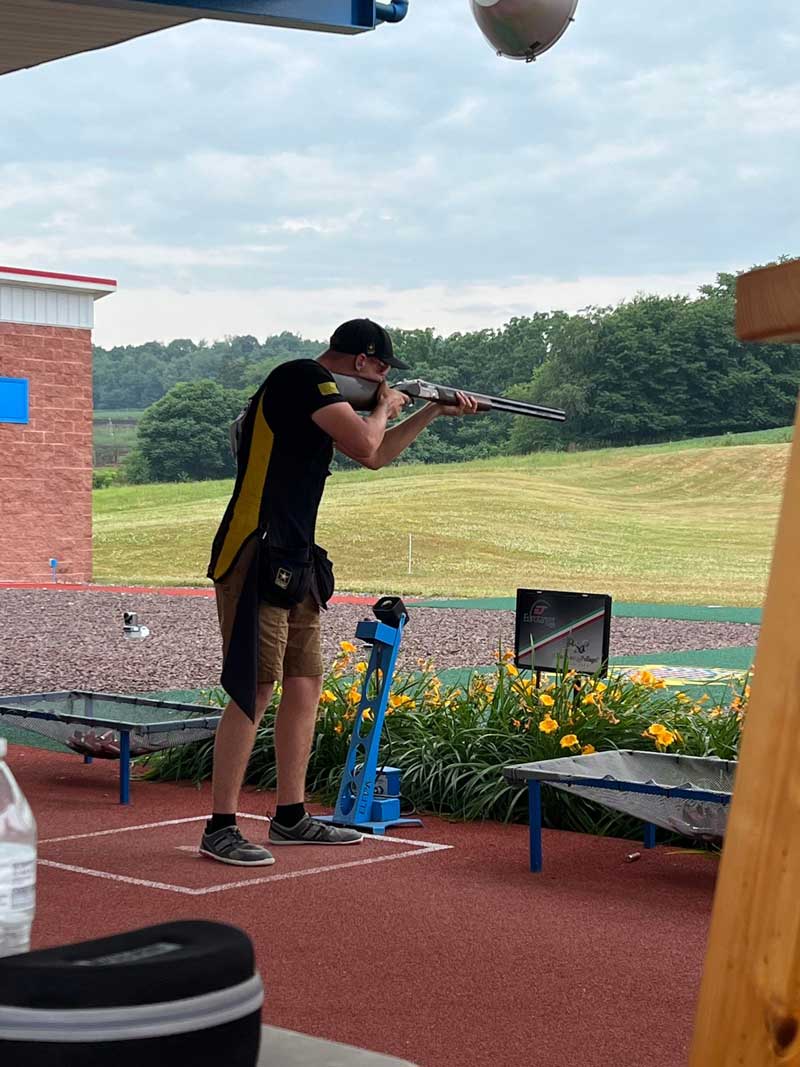
According to updates provided by the National Rifle Association of India (NRAI), the selection process for major games is highly competitive, based on a combination of domestic rankings and international medal performances. Bharadwaj’s path to inclusion in the national squad reflects a period of consistent growth, having successfully met the criteria established by the federation’s technical committee.
Why Resilience Matters in Precision Sports
In the realm of elite shooting, the term “comeback” is often used to describe an athlete’s return to form after a period of stagnation or injury. However, for a trap shooter, the reality is often more nuanced—it is about the refinement of technique and the stabilization of performance metrics. The mental strain of competition, combined with the physical toll of repetitive motion, makes the sport uniquely challenging.
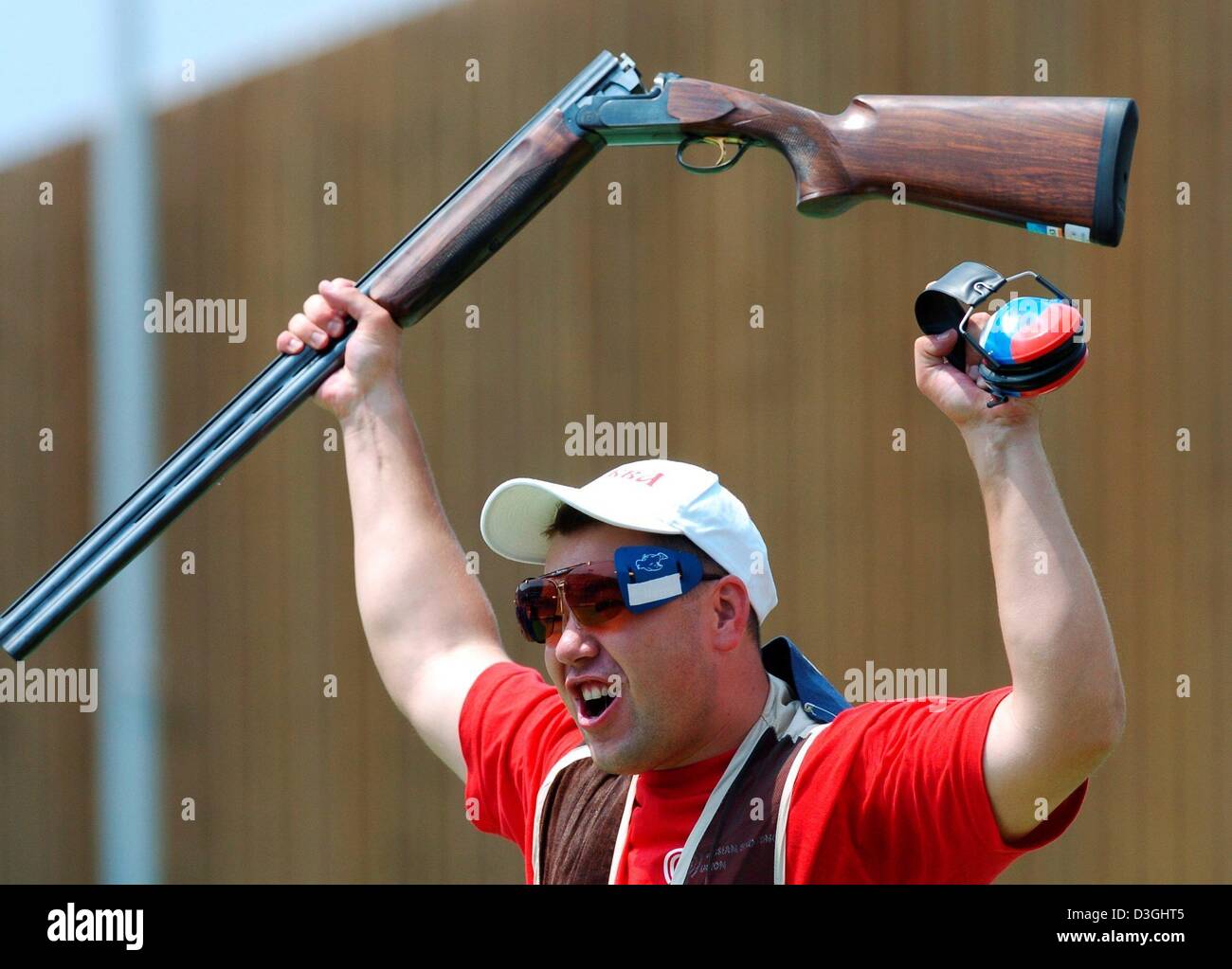
Experts in sports psychology often highlight that the ability to rebound from a missed target—the “reset” mechanism—is what separates podium finishers from the rest of the field. Bharadwaj’s career trajectory offers a case study in this type of mental discipline. By focusing on the fundamentals of his stance, visual tracking, and trigger control, he has managed to maintain his competitiveness in a field that is becoming increasingly crowded with young, high-performing talent.
Key Factors in Modern Shooting Performance
- Technical Consistency: The ability to replicate shooting mechanics under extreme pressure.
- Equipment Optimization: Fine-tuning firearms and ammunition to match specific environmental variables.
- Mental Conditioning: Developing strategies to manage anxiety and maintain focus during long qualifying sessions.
- Federation Support: The role of national bodies in providing access to world-class coaching and training facilities.
Looking Ahead: The Future of Indian Trap Shooting
As we look toward the next cycle of international events, the focus for athletes like Bharadwaj remains on incremental improvement. The upcoming calendar for the ISSF world circuit will provide the necessary testing ground for shooters to refine their strategies before future continental and global games. For supporters and followers of the sport, the next official update from the NRAI regarding squad selections and international rankings will be the primary source for tracking his ongoing progress.

The rise of Indian shooting on the global stage is a story that continues to unfold, driven by the dedication of individual athletes and the systemic support of national sports organizations. As competitive standards tighten, the commitment required to stay at the elite level only increases, making the accomplishments of these athletes all the more significant.
What are your thoughts on the development of shooting sports in India? Join the discussion in the comments section below and share this report with your network.
Worth a look