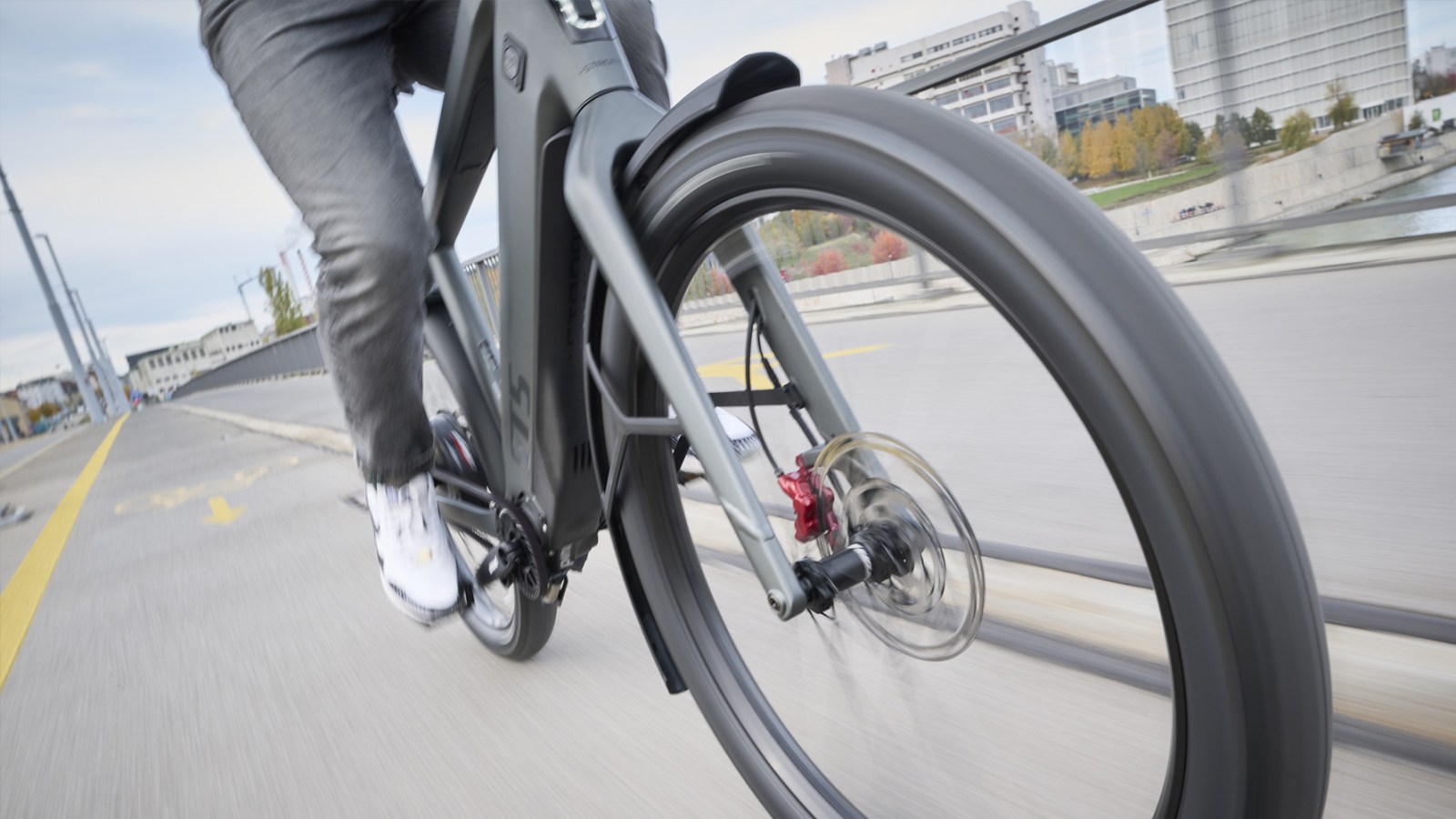
Electric speedbikes are experiencing an unprecedented surge in popularity across Belgium, setting new registration and sales records as commuters increasingly ditch traditional automobiles for high-speed two-wheel alternatives. According to recent market reports from industry associations such as Traxio, sales figures for speed pedelecs—which are capable of assisting riders up to 45 kilometers per hour—have climbed steadily, reflecting a broader shift in European micro-mobility habits and urban transit planning.
The boom in Belgium reflects changing consumer attitudes toward daily commuting, particularly as traffic congestion worsens in major urban centers like Brussels, Antwerp, and Ghent. With robust infrastructure investments and clearer regulatory frameworks distinguishing speedbikes from standard electric bicycles, consumers are finding these high-performance machines to be viable, time-efficient replacements for cars on suburban-to-urban commutes.
This growth trajectory highlights a maturing market where safety gear, mandatory insurance, and registration requirements are well-understood by buyers. As manufacturers introduce longer-range batteries and more integrated frames, the appeal of the speedbike extends beyond dedicated cycling enthusiasts to mainstream professionals looking for reliable, green transportation.
Understanding the Belgian Speedbike Surge
The rapid adoption of speed pedelecs in Belgium is driven by several converging factors, including rising fuel costs, expanded cycle highway networks, and corporate leasing programs. According to mobility data analyzed by organizations tracking the Belgian two-wheeler market, company bike leasing schemes have played a pivotal role in accelerating sales. Many employers now offer electric speedbikes as part of standard employee benefit packages, significantly lowering the financial barrier to entry for high-end models that often cost several thousand euros.
Unlike standard electric bicycles that cut off motor assistance at 25 kilometers per hour, speedbikes require a specific classification under Belgian and European traffic laws. Riders must wear a certified helmet, hold a valid moped or driver’s license depending on their age, and equip their vehicles with a rear license plate and insurance. Despite these stricter legal requirements compared to traditional bicycles, consumer demand has not slowed down; instead, it has shifted toward higher-quality, durable models designed for all-weather commuting.
Infrastructure and Safety on Regional Cycling Corridors
The physical landscape for cycling in Belgium has transformed dramatically to accommodate faster two-wheeled traffic. Regional authorities in Flanders and Wallonia have invested heavily in high-speed bike highways—known locally as fietssnelwegen—which connect major residential hubs with industrial parks and city centers. These wide, well-lit paths are specifically engineered to handle the higher speeds of speed pedelecs while minimizing conflict between slower cyclists and pedestrians.
Safety organizations and local police zones emphasize that integrating speedbikes safely into the traffic mix requires ongoing education for all road users. Recent municipal campaigns focus on right-of-way rules at intersections and speed management in mixed-use zones. Infrastructure planners continue to evaluate accident statistics and commuter feedback to refine lane widths and separation barriers, ensuring that the record growth in vehicle numbers does not lead to a corresponding rise in traffic incidents.
Economic Impact and Future Market Outlook
The commercial success of the electric speedbike sector has provided a substantial boost to local bike shops, specialized dealerships, and European manufacturing brands. Independent bicycle retailers report that maintenance and servicing for high-powered electric drivetrains now constitute a major share of their business revenue. Furthermore, the shift toward sustainable transport aligns with national climate goals aimed at reducing carbon emissions from commuter traffic.
Market analysts project that the upward trend in Belgian speedbike registrations will persist as battery technology improves and municipal authorities expand parking facilities and charging stations at railway hubs. Stakeholders anticipate further policy discussions regarding access to certain regional roads and greenways, but the fundamental demand remains strong. Official transport ministry updates and forthcoming quarterly registration statistics from Traxio will provide further clarity on how this mobility trend evolves throughout the remainder of the year.
Keep reading