
Navigating the complex landscape of wireless service agreements often feels like a balancing act between cost and connectivity. For many mobile users, the traditional “one-size-fits-all” monthly subscription model has long been a source of frustration, particularly when paying for data allowances that go unused. In a shift toward more flexible consumer options, AT&T has introduced its new Build-A-Plan service, offering a customizable wireless solution that starts at a base price of $15 per month.
As a technology editor, I have seen numerous attempts by major carriers to simplify billing, but the move toward a modular, “build your own” approach represents a significant change in how providers view consumer autonomy. By allowing users to select a foundational plan and augment it with specific data and tethering needs, the company is positioning itself to compete more aggressively for budget-conscious subscribers who prioritize control over their monthly expenses.
Understanding the Build-A-Plan Framework
The core of the new offering is a base tier designed for light users or those who primarily rely on Wi-Fi connectivity. For $15 per month, the plan includes unlimited talk and unlimited text services, along with a 1GB allotment of mobile data. This structure is intended to serve as a starting point, rather than a rigid cap on service capabilities.
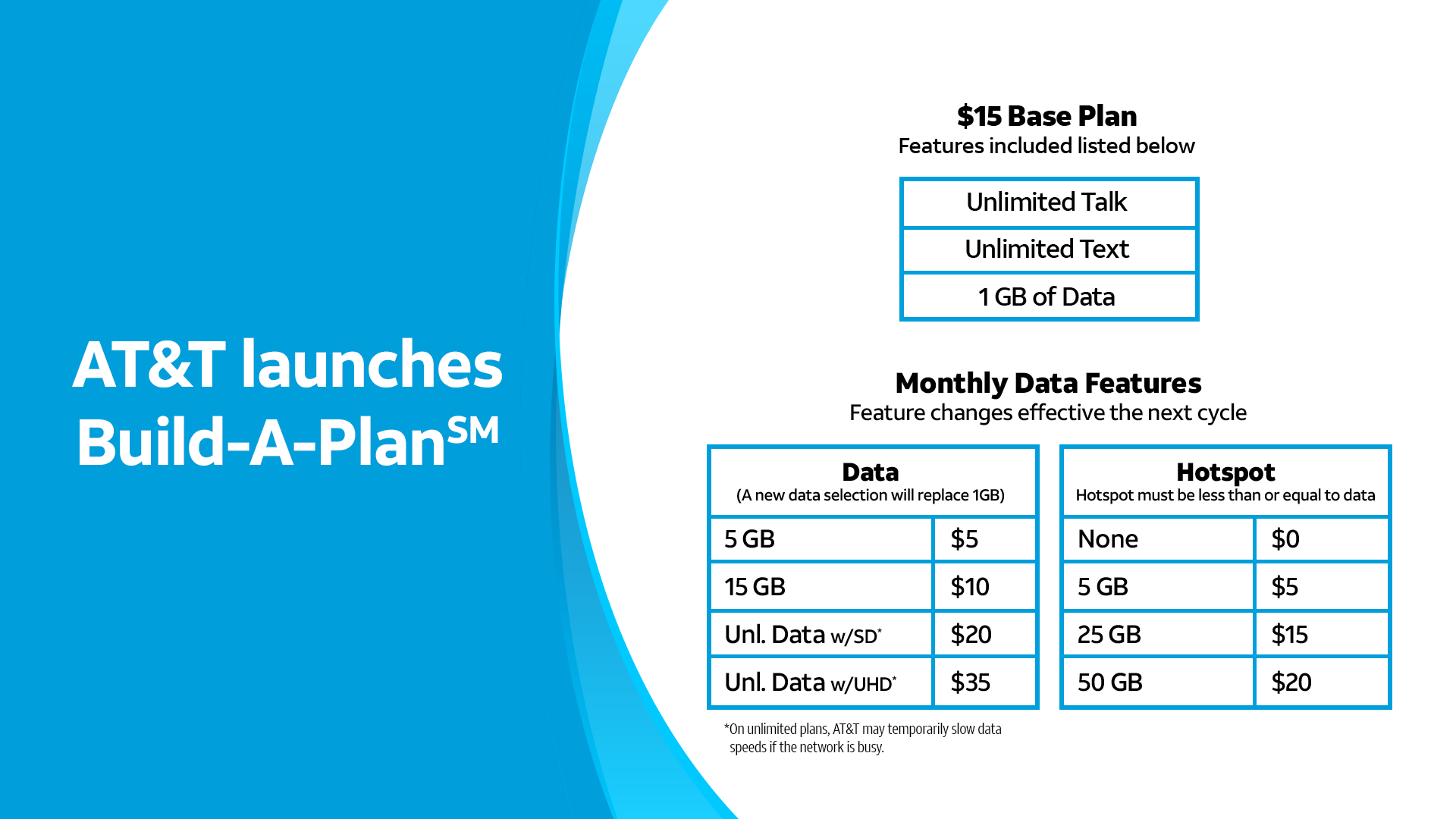
What distinguishes this from standard prepaid or postpaid offerings is the flexibility provided for the subsequent billing cycle. Subscribers are not locked into a fixed data tier; instead, they have the ability to supplement their mobile data and tethering capacity based on their anticipated usage. This “à la carte” approach to data management is a notable shift, moving away from the static, high-cost bundles that have dominated the industry for years. According to official AT&T service documentation, these plans are part of a broader push to modernize how customers interact with their wireless accounts and manage their digital footprints.
Consumer Impact and Market Context
The introduction of a $15 entry point is a strategic play in a crowded market where mobile virtual network operators (MVNOs) have historically thrived by offering low-cost, low-data alternatives. By bringing this level of customization to its own network, AT&T is addressing a specific segment of the population: students, seniors and remote workers who maintain consistent access to home or office internet but require reliable cellular service for emergencies or on-the-go communication.
While the base plan is modest, the ability to add data as needed offers a safety net for users who may experience fluctuating usage patterns. It is important to note, however, that consumers should carefully review the terms and conditions regarding data speeds and potential throttling, as is standard practice with any unlimited talk and text plan on major carrier networks. Prospective customers can review the full range of current service options and specific regional availability through the official AT&T portal.
Key Takeaways for Potential Subscribers
- Base Cost: The entry-level plan is priced at $15 per month for individual lines.
- Standard Inclusions: Every plan includes unlimited talk and text capabilities.
- Data Flexibility: Users receive 1GB of data in the base tier, with options to scale up mobile and hotspot data for the next billing cycle.
- Contract Status: As with many modern prepaid-style offerings, these plans are typically designed to operate without the constraints of long-term annual contracts.
Moving Forward with Wireless Customization
The long-term success of this initiative will likely depend on the ease of the digital interface used to adjust these plans. In an era where mobile users expect instant changes to their digital services via smartphone apps or web dashboards, the friction associated with “building” a plan is as important as the price itself. As the telecommunications industry continues to evolve, we can expect to see more carriers experimenting with modular pricing structures that mirror the subscription-based models common in software and streaming services.
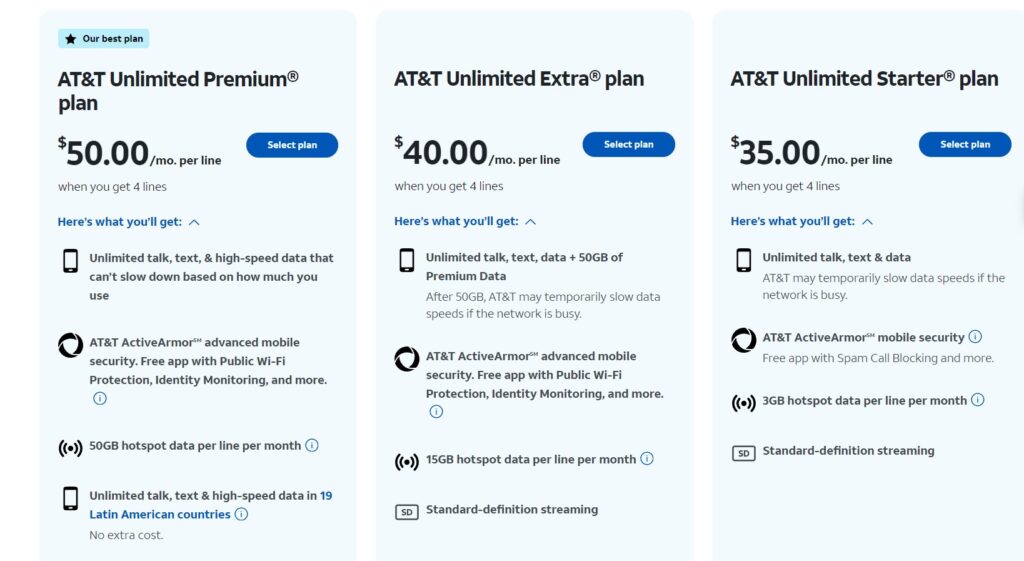
For those interested in tracking how this rollout impacts broader industry pricing, AT&T provides regular updates on their service modifications and availability through their official news and information hub. We will continue to monitor the reception of the Build-A-Plan service and report on any adjustments to the carrier’s broader consumer strategy as they develop. Have you tried customizing your mobile plan, or do you prefer the simplicity of a flat-rate unlimited package? Share your thoughts in the comments section below.