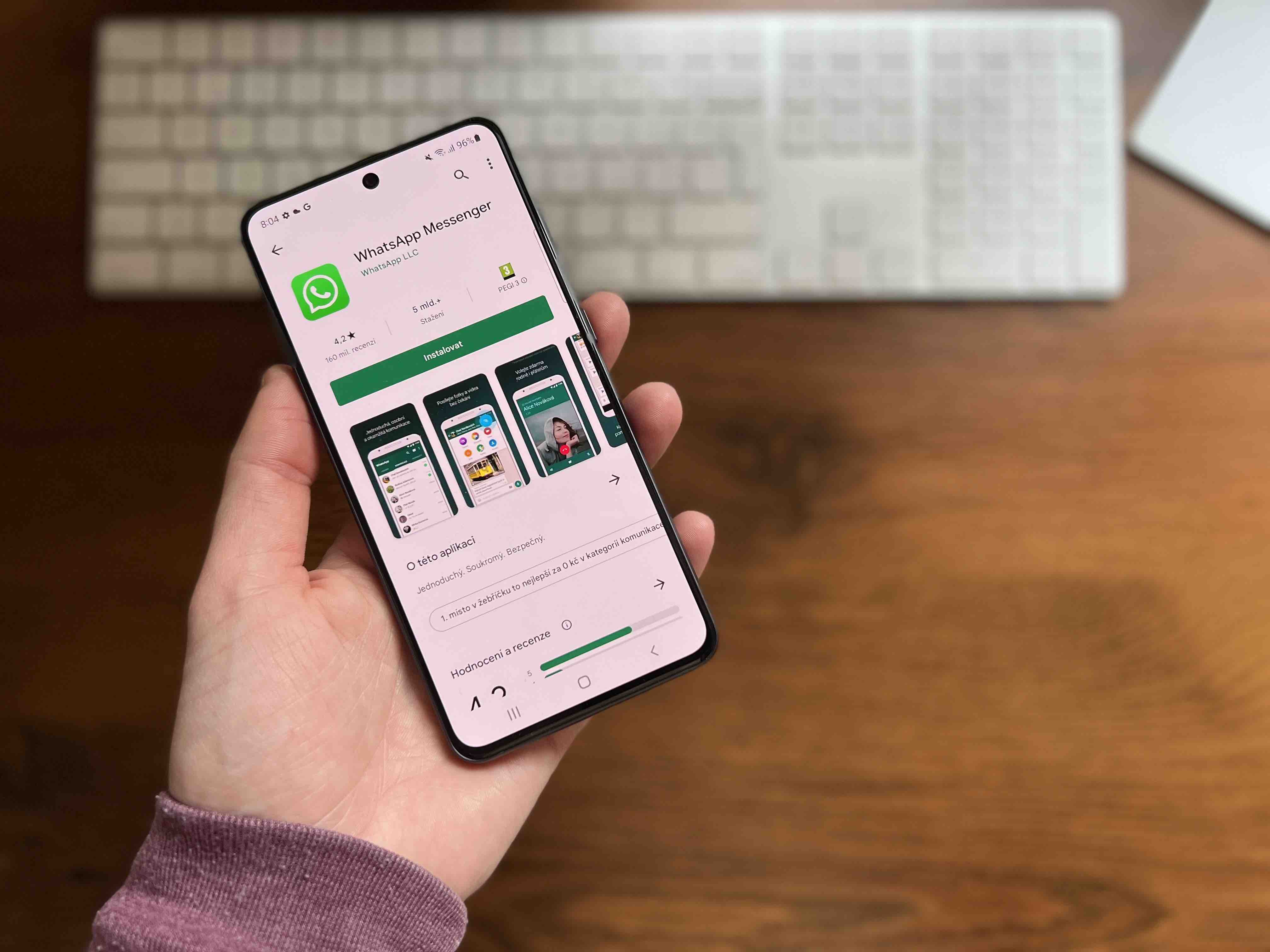
WhatsApp is expanding its paid subscription features through an initial trial phase, rolling out options designed primarily for business accounts and enhanced messaging features across global markets. According to reports from TechCrunch and The Verge, the communication platform owned by Meta Platforms Inc. has begun offering tiered subscription models that introduce advanced capabilities for commercial users managing high-volume customer interactions.
The transition toward paid tiers marks a strategic shift for the messaging giant, which has traditionally maintained a free-for-all model for its billions of individual consumers. As companies increasingly rely on WhatsApp Business to handle customer service, sales, and appointments, Meta is introducing fee-based enhancements to monetize these enterprise interactions while keeping core messaging free for everyday users.
Industry analysts note that this rollout follows months of quiet backend testing across select international regions. By introducing subscription options, WhatsApp aims to capture revenue from commercial entities that utilize its infrastructure to drive customer engagement, mirroring strategies deployed by parent company Meta across its broader ecosystem of applications, including Facebook and Instagram.
What the WhatsApp Paid Subscription Offers Business Users
The new subscription tier introduces several distinct features tailored specifically for commercial operators and small-to-medium businesses. According to official feature breakdowns published by WhatsApp, subscribers gain access to enhanced multi-device linking capabilities, allowing up to ten connected devices per account so multiple customer support agents can manage a single business number simultaneously.
Additionally, the paid tier introduces custom click-to-chat link generation and advanced scheduling tools that integrate directly into business profiles. These features enable clients to book appointments and view real-time availability without leaving the application interface. Meta has emphasized that standard messaging, voice calls, and end-to-end encryption remain entirely free for all personal and business users globally, ensuring that baseline communication tools are unaffected by the new paywalls.
The expansion comes as digital marketplace competitors, such as Telegram and WeChat, continue to experiment with monetization models tailored to power users and commercial ecosystems. Market research firm Statista reports that global business messaging usage has grown significantly over the past three years, driving demand for enterprise-grade management tools within consumer-facing apps.
Global Rollout Timeline and Pricing Structure
Meta has chosen a phased deployment strategy for the subscription service, launching trial versions in select pilot regions before a broader worldwide rollout. Pricing structures vary depending on the local market and the specific tier selected by the business account holder, with introductory promotional rates offered during the initial trial period.
According to updates shared via Meta corporate announcements, regional availability depends on local regulatory approvals and infrastructure readiness. Businesses interested in upgrading can access the subscription options directly through the settings menu of the WhatsApp Business application, where prompts guide administrators through account verification and payment setup.
As the trial period progresses, Meta is expected to gather user feedback and refine the feature set ahead of a permanent commercial launch. Users and business owners seeking official updates can monitor the WhatsApp Business blog or check the application’s internal help center for the latest availability details in their respective regions.
Worth a look