The release of Forza Horizon 6 has marked a significant milestone for the racing simulation genre, drawing players into a meticulously rendered virtual Japan. As a technology editor who has tracked the evolution of open-world gaming for nearly a decade, I have observed few titles capture the intersection of geographic fidelity and technical performance as effectively as this latest entry from Microsoft’s gaming division.
Forza Horizon 6 has rapidly become a focal point for both casual enthusiasts and technical analysts, particularly following its high-profile debut on the Steam platform. Beyond the aesthetic appeal of its sakura-laden landscapes and the urban density of its digital Tokyo, the game introduces substantial under-the-hood optimizations that redefine how players interact with modern high-fidelity assets.
Technical Breakthroughs in Asset Delivery
One of the most noteworthy aspects of Forza Horizon 6 is its implementation of advanced data management systems, which have drastically improved the user experience. Industry reports have highlighted the efficiency of the title’s new shader delivery architecture, which has significantly reduced initial load times for PC users. By optimizing the way graphical pipelines are compiled and initialized, the development team has managed to condense startup sequences that previously required nearly a minute and a half into a matter of seconds.
This technical shift is not merely a quality-of-life improvement; it reflects a broader industry trend toward “just-in-time” asset streaming. By minimizing the friction between the player clicking “play” and entering the driving environment, the developers have addressed one of the most common complaints regarding modern, large-scale open-world titles. For those of us who follow software engineering, seeing this level of optimization in a title of this scale is a testament to current advancements in hardware-accelerated rendering and background resource allocation.
A Virtual Tour of Japan
The core appeal of Forza Horizon 6 remains its setting. The decision to base the game in Japan has long been requested by the community, and the execution focuses on a balance between iconic landmarks and the natural beauty of the Japanese countryside. The visual fidelity of the spring season—characterized by vibrant, falling cherry blossoms and dynamic lighting—serves as a showcase for the game’s engine.

The environment is designed to be more than just a backdrop; it is a functional playground. Whether navigating the tight, neon-lit corridors of a virtual Tokyo or testing vehicle handling on winding mountain passes, the attention to detail is consistent. What we have is particularly relevant for players utilizing high-refresh-rate monitors or ultra-wide displays, where the game’s ability to maintain frame consistency across varied environments becomes a key performance metric.
Market Reception and Performance
The commercial reception of Forza Horizon 6 has been robust, with early metrics suggesting it is one of the strongest launches for a Microsoft-published title on Steam. This success is often attributed to a combination of high critical praise and the technical stability that accompanied the launch. In the gaming industry, a “record-breaking” start usually implies a confluence of effective marketing, pre-release hype, and the delivery of a product that meets or exceeds the technical expectations of the player base.
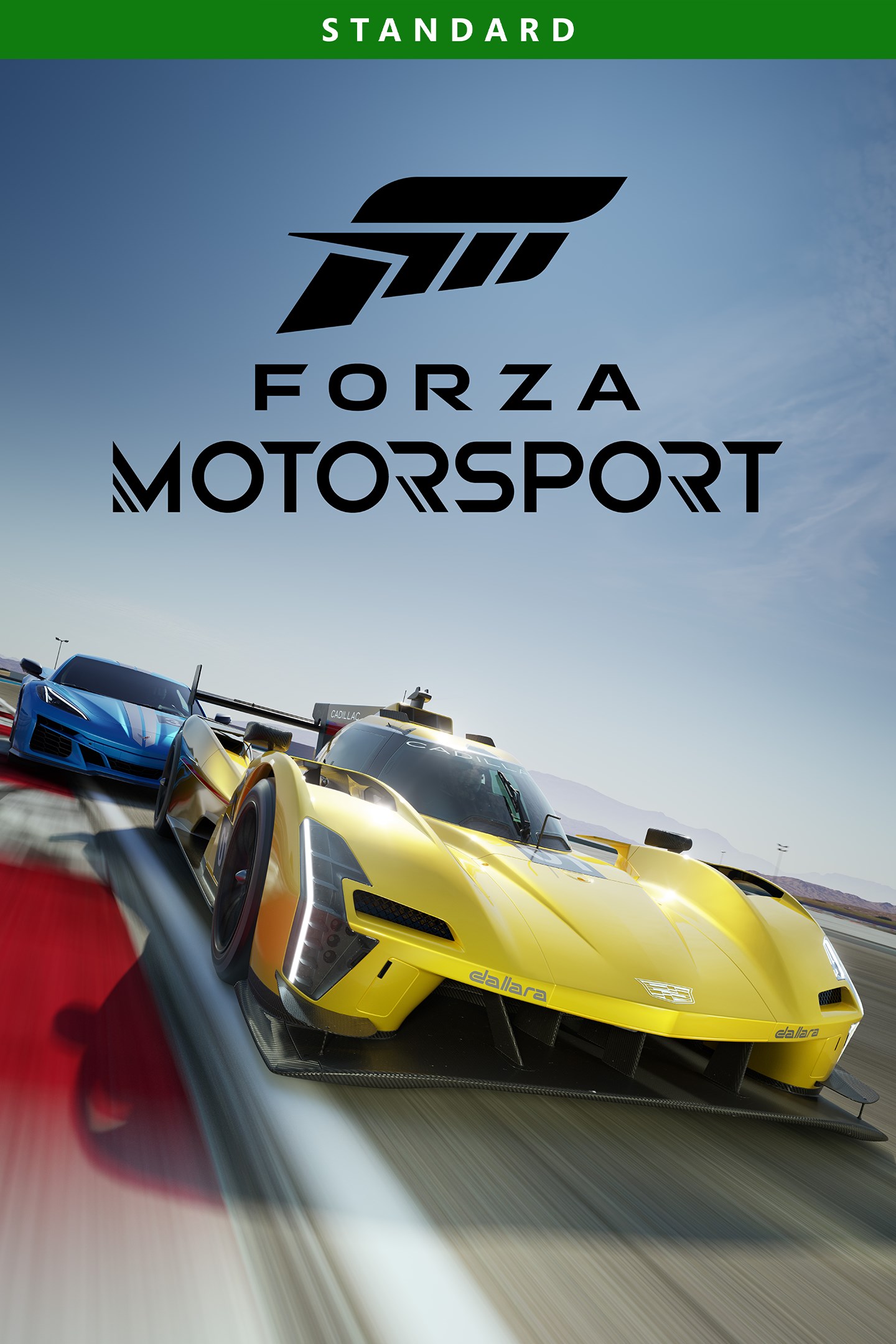
For prospective players, the game offers a scalable experience. Those with high-end hardware can push the graphical settings to capture the nuances of the Japanese architecture, while the optimization efforts mentioned earlier ensure that the title remains accessible to a wider range of PC specifications. This balance is crucial for a global audience, where hardware disparities are the norm rather than the exception.
Looking Ahead
As Forza Horizon 6 continues to settle into the market, the focus will likely shift toward post-launch support, including community events and potential content expansions. The developers have established a strong foundation, and the current state of the game suggests that it will remain a staple in the racing community for the foreseeable future.

The transition to a virtual Japan has proven successful, blending the technical prowess of modern PC gaming with the creative ambition of the open-world genre. Whether you are a fan of automotive culture or simply appreciate the engineering required to bring such a vast world to life, this title represents a high-water mark for the franchise.
We will continue to monitor official updates from the development team regarding future patches and seasonal content updates. Have you had a chance to explore the virtual streets of Tokyo in the new game yet? Share your experiences and your favorite in-game photo locations in the comments below.