
As the international community navigates an increasingly complex security environment, the presence and strategic positioning of US troops in Europe remain a central pillar of transatlantic defense architecture. Discussions surrounding the operational posture of North Atlantic Treaty Organization (NATO) allies and the United States military presence on the continent have intensified in recent months, reflecting broader geopolitical shifts and the ongoing commitment to collective security frameworks.
From my vantage point here at the World Today Journal, the discourse surrounding the deployment of military assets—often scrutinized through various analytical lenses—requires a grounding in verifiable policy and official statements. While public debate often centers on the logistical and strategic implications of these troop rotations, the core of the matter remains the enduring commitment of the United States to the Article 5 mutual defense clause of the North Atlantic Treaty, which serves as the cornerstone of the alliance’s deterrence strategy (NATO Collective Defence – Article 5).
The Strategic Rationale for US Troop Presence
The strategic framework governing US military presence in Europe is fundamentally rooted in the objective of maintaining stability across the Euro-Atlantic region. This involves a multifaceted approach, encompassing rotational deployments, joint military exercises, and the prepositioning of defense equipment. According to the US Department of Defense, these efforts are designed to reassure allies, deter potential aggression, and maintain the readiness of forces capable of responding to a wide spectrum of security challenges.
For observers in Washington and European capitals alike, the focus remains on the integration of these forces into the broader NATO command structure. The Alliance’s current posture, bolstered by decisions made at recent summits to enhance the eastern flank’s defensive capabilities, underscores a shift toward a more robust and responsive military footprint. This transition is not merely about troop numbers but about the qualitative improvement of command and control capabilities, intelligence sharing, and interoperability between allied nations.
Operational Realities and Transatlantic Cooperation
The daily reality of US troops stationed in Europe involves rigorous training schedules and continuous collaboration with host-nation military units. These activities are conducted under the auspices of various bilateral and multilateral agreements that define the legal and operational parameters of the deployment. Transparency in these exercises is a key component of NATO’s policy, aimed at preventing miscalculation and ensuring that military movements are understood within the context of defensive training.
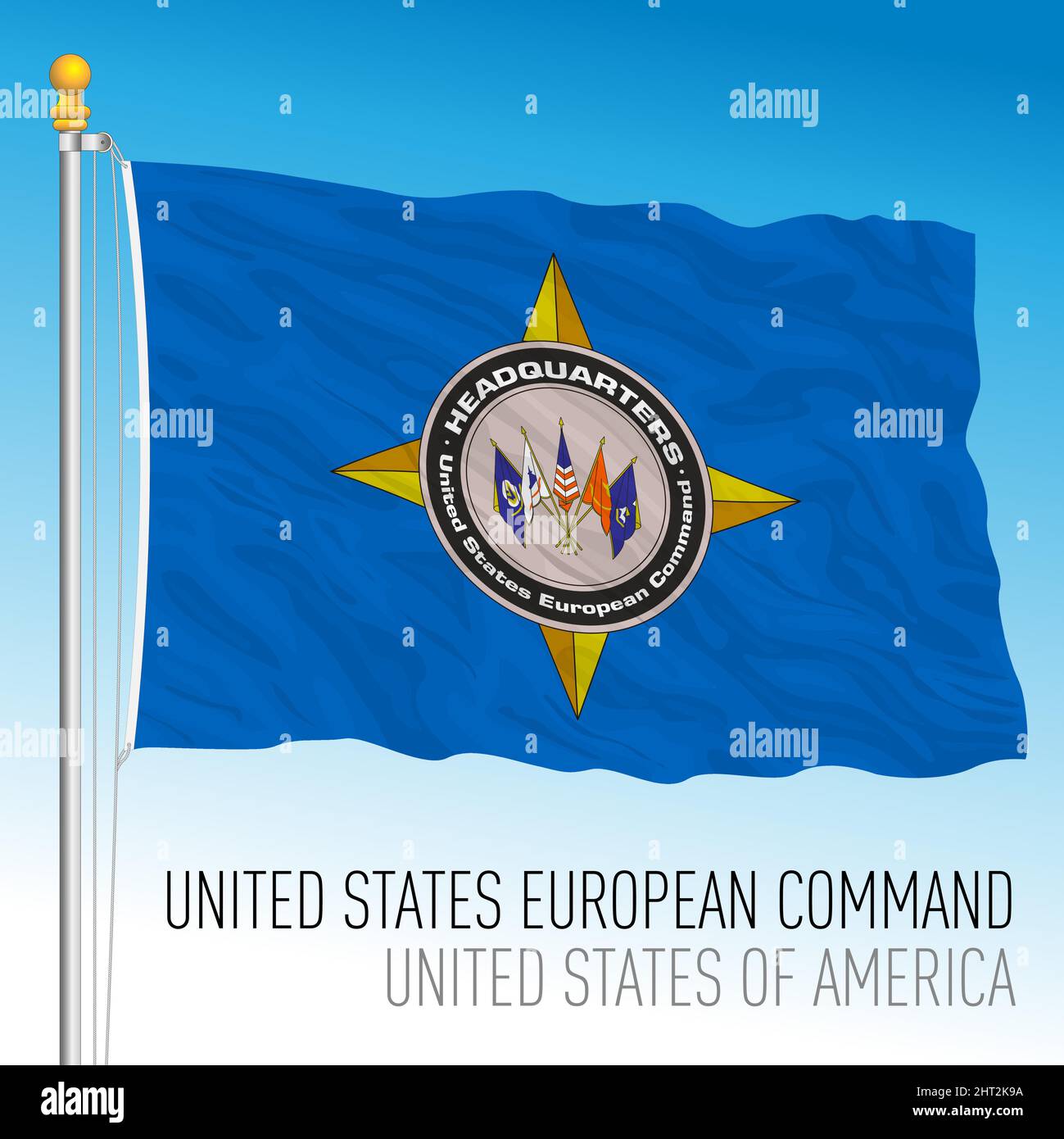
As noted by defense analysts, the emphasis on “deterrence through presence” is intended to send a clear signal regarding the solidarity of the alliance. This strategy relies on a combination of permanent bases and the rapid deployment of specialized units, such as those involved in armored, aviation, and cyber-defense operations. The coordination between the United States European Command (USEUCOM) and national defense ministries across Europe ensures that these deployments remain aligned with the evolving security landscape.
Key Takeaways for Global Security
- Collective Defense: The primary objective remains the upholding of the North Atlantic Treaty, ensuring that any threat to one member is treated as a threat to all.
- Enhanced Readiness: Ongoing investments in infrastructure and prepositioned stocks allow for more rapid force generation in response to regional contingencies.
- Diplomatic Alignment: Military posture is consistently reviewed to ensure it supports, rather than replaces, diplomatic efforts to manage international tensions.
- Interoperability: Regular joint training exercises are essential for maintaining the high level of coordination required for modern, integrated defense operations.
Looking Ahead: The Path of Continued Engagement
As we look toward the remainder of 2026, the trajectory of US-European security cooperation will likely be shaped by upcoming NATO ministerial meetings and ongoing strategic reviews. The focus will remain on sustaining the momentum of modernization efforts while addressing the logistical demands of a long-term, high-readiness posture. For the global community, the stability of this transatlantic bond is a critical factor in the broader maintenance of international order.

The next major checkpoint for these discussions will be the upcoming NATO Defense Ministers’ meeting, where representatives will evaluate the progress of current force posture initiatives and determine the adjustments necessary to address the security environment. We will continue to monitor these developments closely, providing updates as official statements and policy directives are released by the involved governmental bodies. I encourage our readers to share their perspectives and engage in the conversation below as we continue to track these pivotal developments in global security.
Related reading