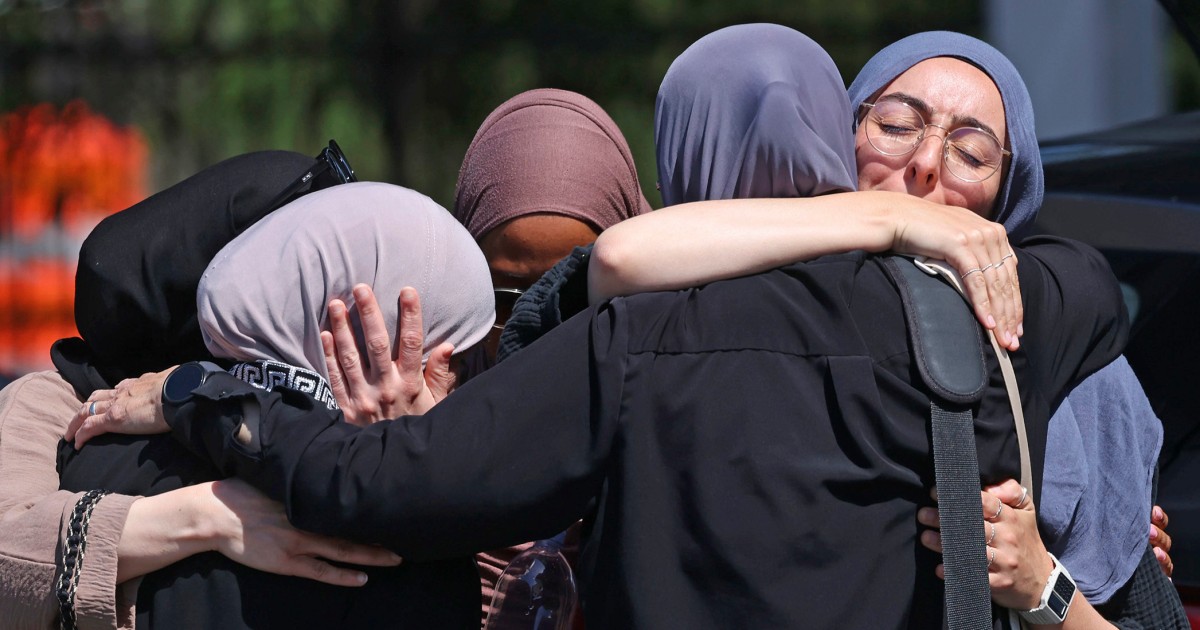
The evolving landscape of security within religious institutions across the United States has undergone a profound shift, moving from open, community-centered environments to spaces increasingly defined by physical barriers and vigilant oversight. For many, the Islamic Center of San Diego serves as a focal point for this transition. As the community navigates the realities of modern safety concerns, the absence of historical markers of exclusion—such as guards or gated perimeters—stands in stark contrast to the current necessity for heightened security protocols.
This shift reflects broader trends in communal safety, where the threat of targeted violence has forced congregations of various faiths to reassess their vulnerabilities. The U.S. Department of Justice continues to emphasize the importance of community-based security initiatives and the reporting of bias-motivated incidents as part of a national strategy to protect houses of worship from extremist threats.
A Changing Paradigm for Religious Safety
Historically, the Islamic Center of San Diego and similar institutions functioned as public-facing community hubs, prioritizing accessibility and open dialogue. However, the rise in reported hate crimes and targeted threats has necessitated a shift in operational strategy. Law enforcement agencies, including the Federal Bureau of Investigation, have documented a consistent need for increased vigilance, prompting many religious organizations to invest in physical security enhancements, including surveillance systems, controlled access points, and professional security personnel.
The psychological impact of these changes on younger generations, who grew up in an era where such precautions were largely unnecessary, is significant. The transition from an atmosphere of perceived absolute safety to one of managed risk represents a loss of innocence for many congregants, highlighting the tension between maintaining a welcoming religious environment and ensuring the physical preservation of the community.
Institutional Response and Community Resilience
In response to these challenges, organizations have increasingly sought resources provided by federal initiatives, such as the Nonprofit Security Grant Program managed by the Federal Emergency Management Agency (FEMA). These grants assist houses of worship in funding target-hardening measures, such as the installation of reinforced doors, lighting, and gate systems, which have become standard in urban centers across the country.

The focus remains on balancing these necessary security measures with the mandate to keep religious spaces accessible. While the physical infrastructure of the Islamic Center of San Diego may have changed to meet modern demands, the institutional commitment to fostering community connection remains a priority for local leaders. These efforts are often coordinated with local law enforcement to ensure that security measures do not isolate the community from the broader public, but rather serve as a protective layer against specific, identified threats.
Looking Ahead: Ongoing Vigilance
The dialogue surrounding security at the Islamic Center of San Diego and other religious sites is expected to continue as the national conversation on domestic extremism evolves. The most recent data on hate crimes, compiled through the Uniform Crime Reporting (UCR) Program, underscores the persistent nature of these threats, necessitating ongoing cooperation between religious leaders, local law enforcement, and federal agencies.

As of May 2026, You’ll see no immediate, publicly scheduled legislative hearings specifically addressing the security of this site, though the Department of Justice maintains open channels for reporting threats and bias-motivated incidents. The community remains focused on balancing the preservation of their cultural and religious traditions with the reality of an increasingly complex security environment.
We invite our readers to share their perspectives on the intersection of communal faith and public security in the comments section below. For the latest official bulletins regarding safety guidelines and resources for religious institutions, please monitor the Cybersecurity and Infrastructure Security Agency (CISA) portal for ongoing updates.
Worth a look
- Spain Moves Past Gibraltar Sovereignty Conflict Post-Brexit
- Aaron F. Farinacci Arrested for First-Degree Arson in Spokane Old Trails Fire
- The Evolution of Luxury Dining in Las Vegas: From Early Feasts to Casino Buffets (archyde.com)
- €4m Security Bill for Ukrainian Refugee Complex in Tipperary (world-today-news.com)