
In the landscape of international broadcasting, few figures possess the ability to bridge the gap between global superstardom and the intimate, unfiltered nature of the radio interview. For the veteran broadcaster Fernandisco, whose career has spanned decades of musical evolution, the studio has served as a sanctuary for some of the most influential artists of the 20th century. Reflecting on his extensive body of work, he has often noted that his sessions with musical icons like Whitney Houston and Freddie Mercury were not merely professional milestones, but transformative experiences that reshaped his perspective on the industry.
As a journalist who has spent years covering the intersection of culture and global affairs, I find that the legacy of these interviews lies not just in the fame of the subjects, but in the rare, unscripted moments that define a career. For Fernandisco, these interactions provided a window into the human complexities behind the public personas of artists who became the voices of their respective generations. These conversations serve as a reminder that behind every chart-topping hit and stadium-filling performance, there exists a narrative that is often only revealed through the trust built between an interviewer and an artist.
The Art of the Radio Interview
The craft of interviewing high-profile musicians requires a delicate balance of preparation and spontaneity. Fernandisco’s approach has long been characterized by a deep respect for the artist’s creative process, a trait that allowed him to secure access to figures who were notoriously guarded. When discussing the impact of his work, he emphasizes that the medium of radio offers a unique intimacy; without the distraction of cameras or the pressures of a televised format, artists were often more willing to share the stories behind their creative struggles and triumphs.
The importance of radio as a cultural pillar remains significant. According to data from Pew Research Center, radio continues to serve as a vital platform for both news and entertainment, maintaining its relevance even in an increasingly digital and on-demand media environment. This enduring medium provided the stage for legendary encounters that continue to resonate with music historians and fans alike.
Reflecting on Iconic Encounters
The mention of artists such as Whitney Houston and Freddie Mercury evokes a specific era of musical history defined by unprecedented vocal talent and global reach. Whitney Houston, whose vocal prowess set a standard for pop and R&B, remains one of the best-selling music artists of all time. Her career, which saw her achieve historic success on the Billboard Hot 100, was marked by both immense triumph and intense public scrutiny. For an interviewer, engaging with someone of Houston’s stature required navigating a complex landscape of fame, artistry, and personal resilience.
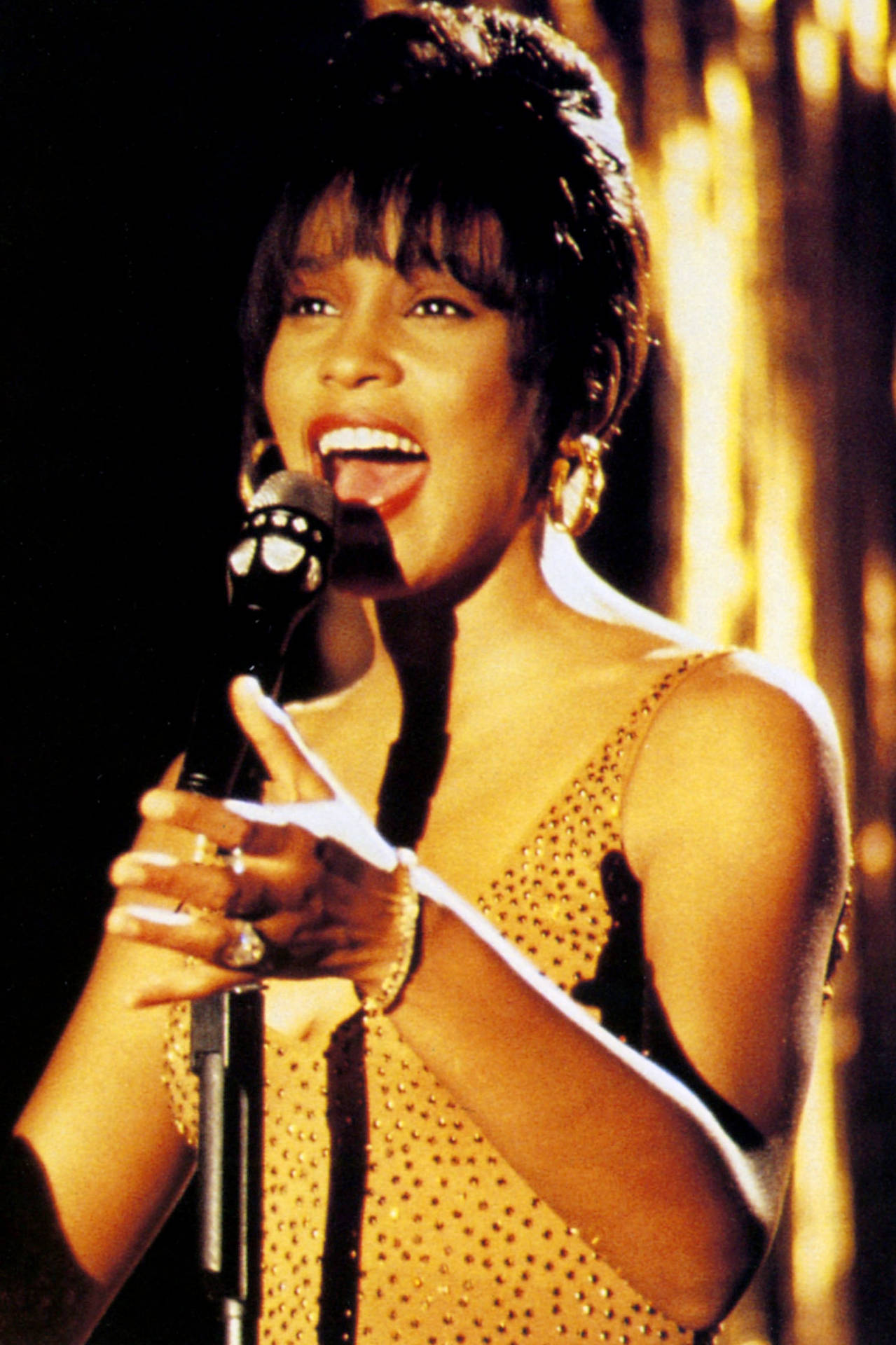
Similarly, Freddie Mercury’s influence on the rock genre is immeasurable. As the frontman of Queen, Mercury was known for his theatrical performances and singular songwriting ability. Since his passing in 1991, the preservation of his legacy has been managed by organizations such as the Mercury Phoenix Trust, which continues to support the fight against HIV/AIDS worldwide. Understanding these figures requires looking past their public images to the private individuals who navigated the pressures of global stardom.
The Evolution of Music Journalism
The role of the music journalist has undergone a profound transformation. In the era when Fernandisco first began his career, access was the primary currency. Today, the focus has shifted toward digital engagement and the rapid dissemination of content. However, the core principles of journalism—accuracy, empathy, and the pursuit of a compelling narrative—remain unchanged. For those looking to understand the history of modern music, these archived interviews serve as invaluable primary sources, capturing the voices of artists in their own words.

Looking ahead, the preservation of these historical media archives is essential for future research and cultural understanding. As digital platforms continue to catalog the history of 20th-century entertainment, the work of broadcasters like Fernandisco becomes a reference point for how we perceive the icons of the past. Future updates on the restoration of classic radio archives can typically be found through major national broadcasting authorities or cultural heritage institutions, which regularly publish reports on the cataloging of media history.
We invite our readers to share their thoughts on the impact of radio journalism and the artists who defined an era. How do you feel the role of the interviewer has changed in the age of social media? Join the conversation in the comments section below.
Worth a look