As the telecommunications landscape continues to shift toward high-speed infrastructure, the United Kingdom’s primary communications provider, BT, has released its financial results for the fiscal year ending March 31, 2026. The report paints a complex picture for the company, highlighting a significant push into next-generation fiber networks balanced against broader macroeconomic headwinds that have impacted top-line growth.
For investors and industry observers, the BT fiscal year 2026 financial report reveals a 3% decline in reported revenue, which totaled £19.7bn for the year. When adjusted for various factors, revenue stood at £19.6bn, marking a 4% slip compared to the previous period. These figures reflect a challenging environment characterized by a decline in international revenue, reduced handset trading, and shifting consumer service trends within the UK market.
Navigating a Shifting Broadband Market
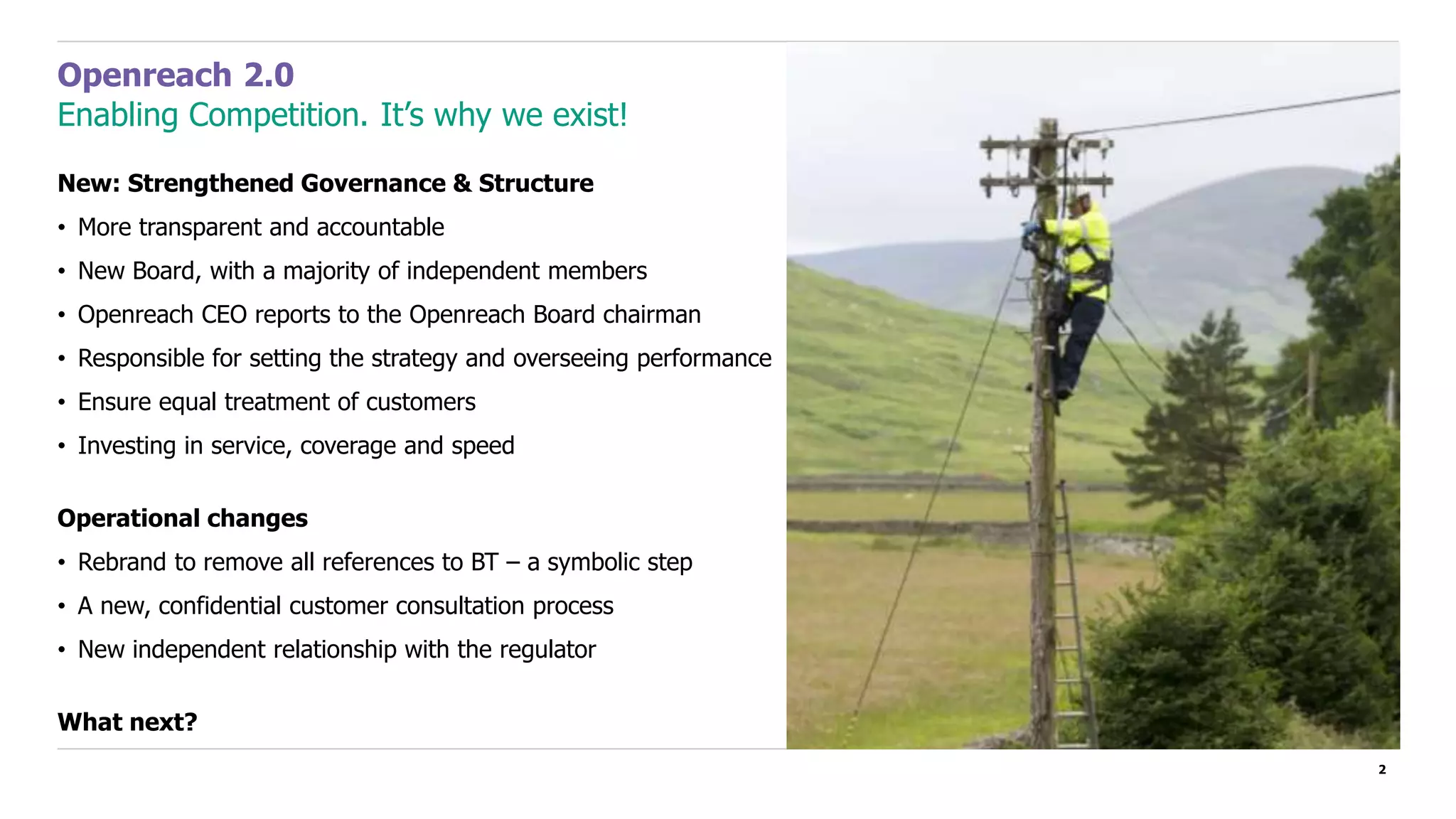
At the heart of BT’s operational strategy is the expansion of its fiber-to-the-premises (FTTP) network. The company reported that an improved mix of FTTP connections within its Openreach division served as a critical offset to broader revenue declines. Despite this growth in high-speed infrastructure, the company faced a 1% dip in adjusted UK service revenue, which reached £15.4bn for the 2026 fiscal year.
This decline in service revenue was primarily attributed to lower voice volumes, a trend seen across the legacy telecommunications sector as users migrate toward digital-first communication tools. To mitigate these pressures, the company leaned on Consumer Price Index-linked price adjustments and a rigorous focus on cost transformation. These measures were essential in maintaining a stable profitability outlook, with adjusted earnings before interest, taxes, depreciation, and amortisation (EBITDA) reaching £8.2bn, effectively flat year-on-year when excluding divestments.
Transformation and Operational Efficiency
BT’s long-standing transformation plan remains a central pillar of its corporate strategy. Over the course of the 2026 fiscal year, the company reported the realization of £580m in gross annualised cost savings. This effort came at a cost of £336m, bringing the cumulative savings over the past two years to £1.5bn, achieved at a total cost of £800m. These figures underscore the company’s commitment to lean operations in a capital-intensive industry.

Operational efficiency extended beyond financial restructuring into the physical maintenance of its network. BT reported a 6% reduction in energy usage across its networks and a 7% reduction in total labour resource, bringing the headcount to 108,000. The company saw an 18% decrease in Openreach repair volumes, suggesting that the modernization of the network is yielding dividends in reliability and reduced field-service requirements.
Key Financial Metrics Summary
- Total Reported Revenue: £19.7bn (a 3% decrease year-on-year).
- Adjusted EBITDA: £8.2bn (flat year-on-year, excluding divestments).
- Reported Profit Before Tax: £1.4bn (an 8% increase).
- Cost Savings: £580m in gross annualised savings realized during FY26.
The 8% increase in reported profit before tax, reaching £1.4bn, was attributed to lower specific items and reduced depreciation and amortisation, though these gains were partially offset by higher finance expenses. As the company looks ahead, the focus remains on sustaining the momentum of its fiber rollout while managing the transition away from legacy voice and broadband services.
Looking Ahead: The Path Forward
For shareholders and customers alike, the coming year will likely be defined by how effectively BT can convert its FTTP investments into sustained service revenue. The company’s decision to raise its transformation plan target to £3bn signals an intent to continue aggressive cost control as it faces ongoing market volatility.

As we move further into 2026, the industry will be watching closely to see if the gains in fiber adoption can outpace the contraction in traditional service lines. The next opportunity for stakeholders to review the company’s progress will be the upcoming quarterly financial updates, which are typically published on the BT Investor Relations portal.
What are your thoughts on the shift toward fiber-only infrastructure? Are you seeing improved connectivity in your local area? Share your experiences in the comments section below.
Worth a look