US-Iran Peace Negotiations: Trump Pauses Military Action as Tehran Reviews New Proposal
The high-stakes diplomatic struggle to end the conflict between the United States and Iran has entered a critical new phase. Following a period of intense military tension and maritime blockades, President Donald Trump has announced a pause on a planned military strike against Iran, citing “serious negotiations” currently underway to prevent further escalation in the Gulf.
The decision comes as the international community watches closely to see if a durable peace agreement can be reached. While an initial ceasefire has provided a temporary reprieve from large-scale hostilities, a permanent resolution remains elusive. The current diplomatic push is centered on a new peace proposal sent from Tehran to Washington via Pakistan, a move that has prompted the Trump administration to signal a willingness to wait for “the right answers” from the Iranian leadership.
At the heart of these US-Iran peace negotiations is the urgent objective of preventing Tehran from obtaining a nuclear weapon. However, the path to a settlement is fraught with complexity, as both nations remain locked in an uneasy stalemate involving port blockades and the strategic control of vital maritime corridors.
A Diplomatic Window: The Role of Pakistan and the 14-Point Framework
Mediation efforts have increasingly relied on the involvement of third-party actors to bridge the communication gap between Washington and Tehran. Pakistan has emerged as a central figure in this process, having hosted peace talks between the two nations last month. According to reports from Iran’s state-run agency Nour News, Pakistan continues to facilitate the exchange of views between the two sides.

Esmaeil Baghaei, a spokesperson for the Iranian Foreign Ministry, confirmed that the Islamic Republic has received the latest views from the American side and is currently reviewing them. These communications are reportedly being conducted based on Iran’s original 14-point framework, a structure that has served as the foundation for recent rounds of dialogue.
The diplomatic momentum is expected to continue this week with high-level movement in the region. Pakistan’s Army Chief, Asim Munir, is scheduled to travel to Tehran on Thursday to participate in the ongoing mediation efforts. This visit is seen as a pivotal step in determining whether the latest American proposal can meet the requirements laid out by the Iranian government.
Regional Volatility: Drones, Nuclear Plants, and Maritime Blockades
The diplomatic efforts are unfolding against a backdrop of significant regional instability. Despite the temporary ceasefire that began on April 8—marking six weeks into the conflict—the threat of renewed military escalation remains high. Recent drone activity has underscored the fragility of the current peace.
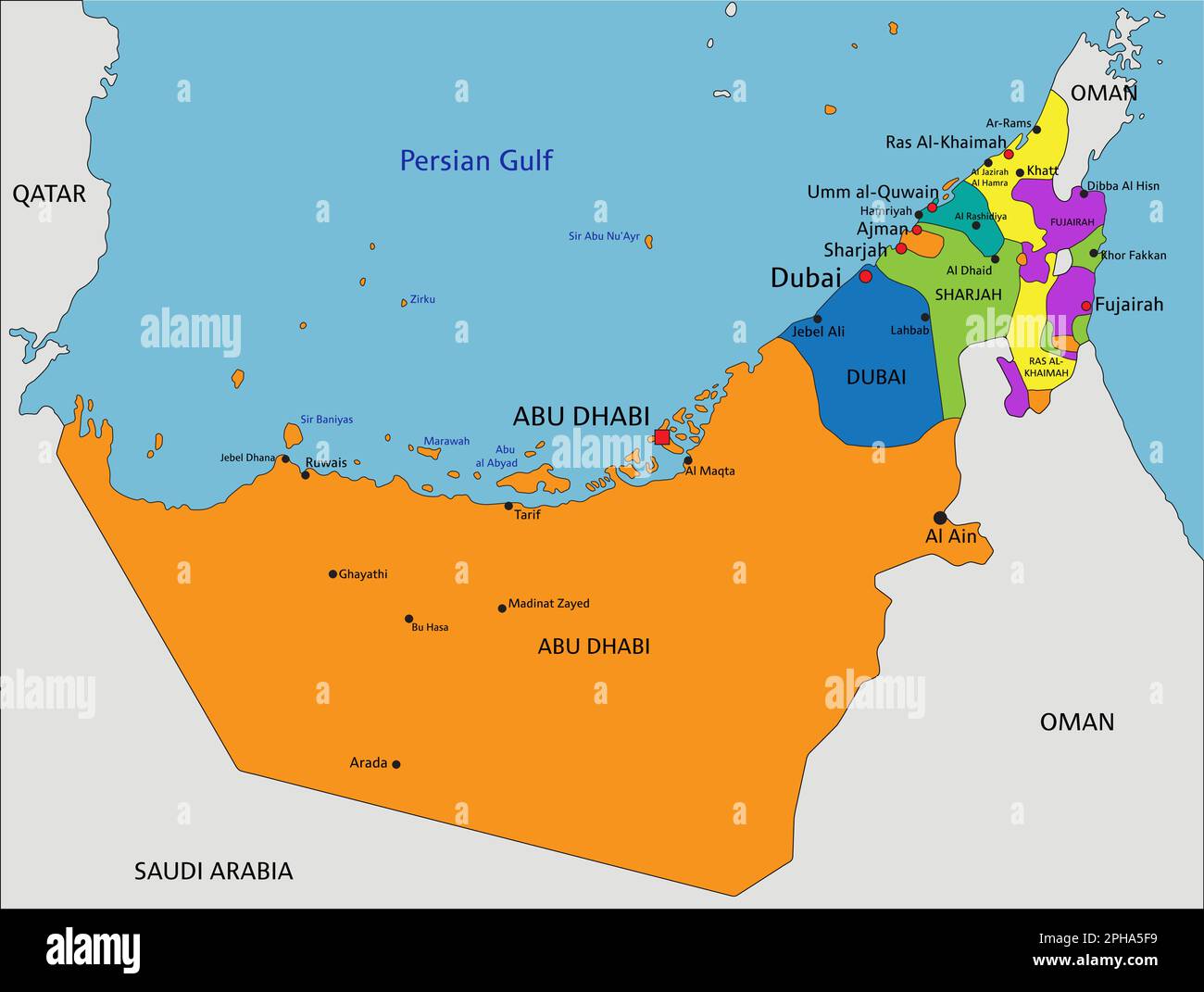
On Sunday, a drone attack struck the Barakah Nuclear Energy Plant in the United Arab Emirates. Following this, on Monday, Saudi Arabia reported that it had successfully intercepted three drones. These incidents have heightened fears that the lull in hostilities could be shattered if negotiations fail to yield a concrete agreement.
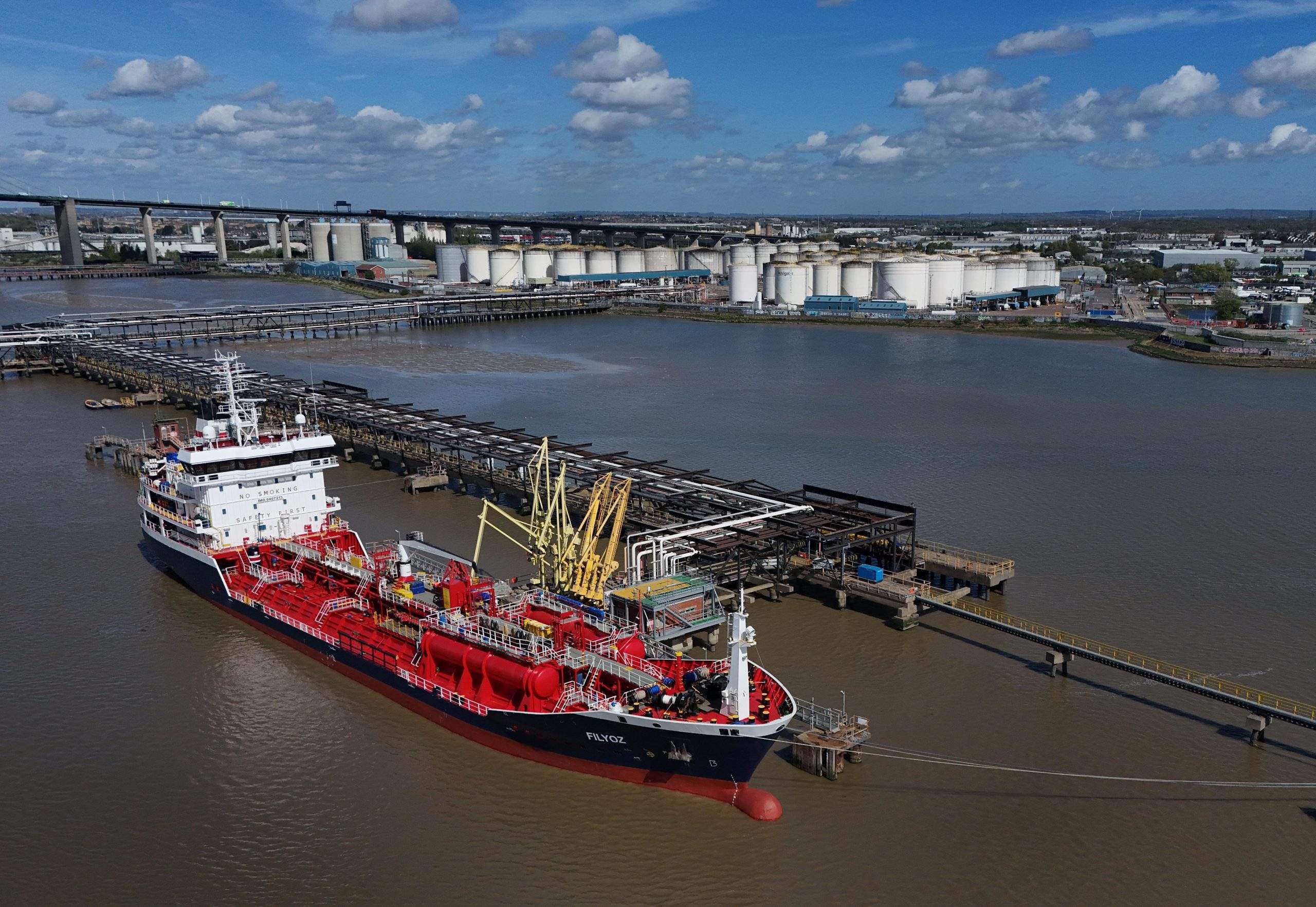
The economic implications of the conflict are equally severe, particularly regarding global energy security. The war has seen a massive disruption in the Strait of Hormuz, a strategically vital waterway. Before the conflict began, approximately 20% of the world’s oil and liquefied natural gas passed through the Strait. However, shipping traffic has virtually halted since the commencement of U.S. And Israeli-led strikes against Iran on February 28.
This maritime stalemate is a key component of the current deadlock: Tehran has actively blocked the Strait of Hormuz, while Washington has responded by blockading Iranian ports. Any resolution to the negotiations must address these logistical and strategic impasses to restore stability to global trade routes.
The Military Stance: Trump’s “Hold” on Planned Strikes
President Trump has utilized a “carrot and stick” approach to pressure Tehran, balancing diplomatic openings with stern warnings of military consequences. In recent communications via Truth Social, the President emphasized the urgency of the situation, stating, “For Iran, the Clock is Ticking, and they better get moving, FAST, or there won’t be anything left of them. TIME IS OF THE ESSENCE!”
However, following requests from the leaders of Qatar, Saudi Arabia, and the United Arab Emirates, the President has opted to delay a planned attack on Iran that was originally scheduled for Tuesday. Trump confirmed that he has instructed Secretary of Defense Pete Hegseth, Chairman of the Joint Chiefs of Staff General Dan Caine, and the broader U.S. Military to hold off on the operation to allow the current negotiations to proceed.
While the pause offers a reprieve, the administration’s tone remains resolute. President Trump has indicated he is prepared to wait only a few more days to receive what he describes as the “right answers” from Tehran, warning that a failure to reach a deal could lead to renewed and more intensive military action.
Key Takeaways of the Current Negotiations
- Mediation: Pakistan is acting as a key intermediary, with Army Chief Asim Munir traveling to Tehran to facilitate talks.
- Framework: Negotiations are currently being guided by Iran’s original 14-point framework.
- Military Status: A planned U.S. Attack scheduled for Tuesday has been paused at the request of Gulf leaders.
- Economic Impact: The conflict has halted shipping in the Strait of Hormuz, which previously handled 20% of the world’s oil and liquefied natural gas.
- Primary Goal: The U.S. Is focused on an agreement that prevents Iran from acquiring a nuclear weapon.
The next significant checkpoint in this unfolding crisis will be the conclusion of Iran’s review of the U.S. Position and the results of the high-level mediation talks involving Pakistan’s leadership. The international community remains on edge, waiting to see if diplomacy can finally outpace the “ticking clock” of military escalation.
What are your thoughts on the role of third-party mediators like Pakistan in this conflict? Let us know in the comments below and share this report with your network.
Keep reading