
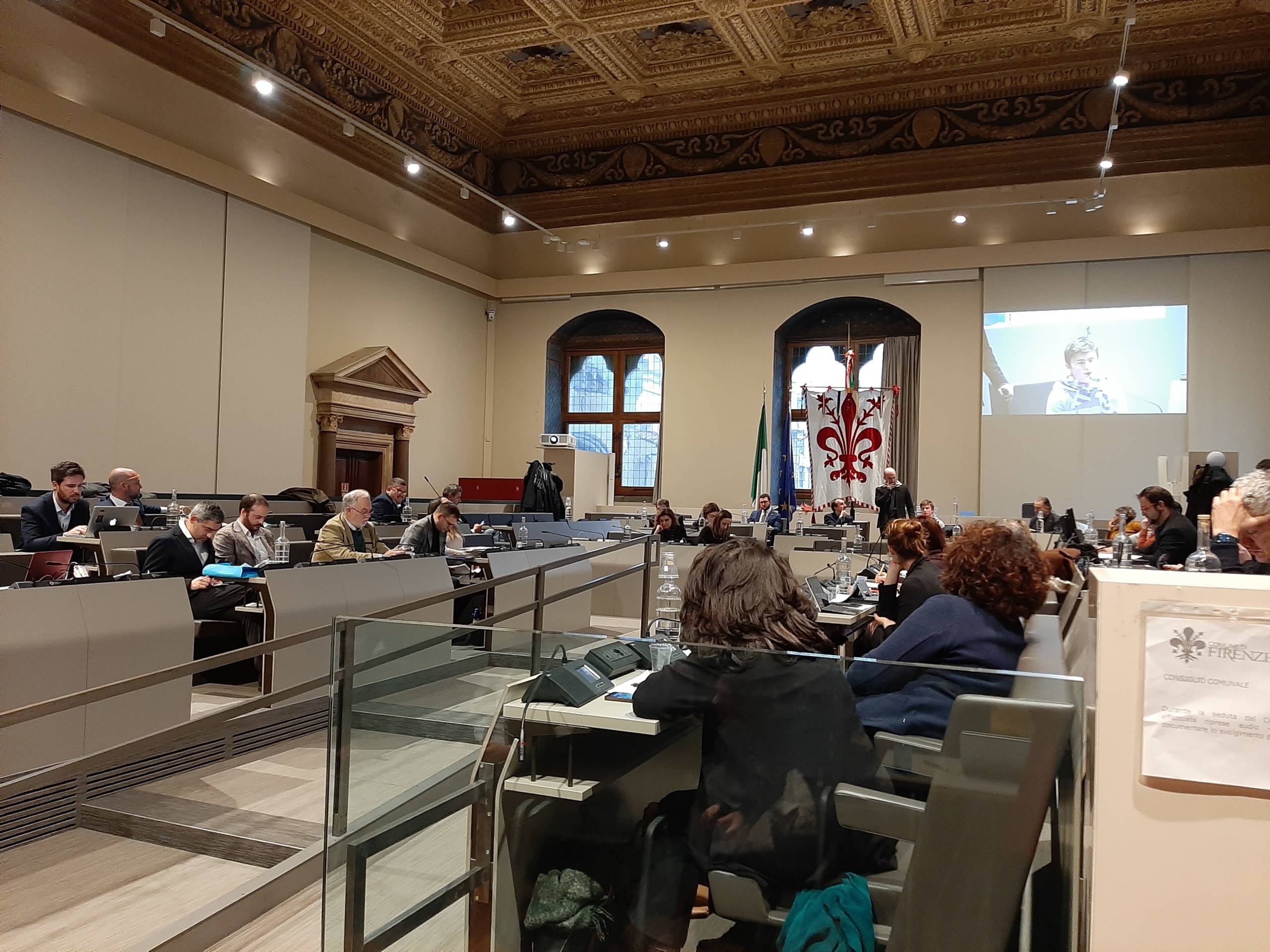
The Florence City Council is currently navigating a significant shift in regional administrative governance, as officials move toward the formal approval of a draft convention for the Comunità d’Ambito “Firenze e Area Metropolitana.” This procedural milestone represents more than just a bureaucratic update; it is a foundational step in redesigning how essential public services are coordinated and delivered across the city and its surrounding metropolitan landscape.
The discussion, centered on the “schema di Convenzione” (draft convention), aims to establish a unified framework for the management of integrated services. By formalizing the relationship between the Municipality of Florence and the various local entities within the metropolitan area, the convention seeks to move away from fragmented, municipality-specific management toward a more systemic, scalable model of public administration.
For the residents of the Florence metropolitan area, this transition holds the potential to streamline service delivery, optimize resource allocation, and ensure a more equitable distribution of public goods. However, the complexity of integrating diverse municipal interests into a single, cohesive “Comunità d’Ambito” (Area Community) presents a significant challenge for local lawmakers and technical administrators alike.
The Legal Architecture of the “Comunità d’Ambito” Framework
To understand the importance of this convention, one must first understand the legal mechanism of the Comunità d’Ambito. In the context of Italian local government, these bodies are designed to facilitate inter-municipal cooperation. They are often established to manage “essential levels of service” (Livelli Essenziali di Prestazione) that are too large or too costly for a single small municipality to handle efficiently on its own.
The implementation of these communities is typically driven by national and regional mandates aimed at achieving economies of scale. By pooling financial resources, technical expertise, and administrative personnel, participating municipalities can implement more robust service infrastructures. This is particularly relevant in sectors such as social services, waste management, and integrated water services, where the “area-based” approach is increasingly becoming the standard for modern governance.
The draft convention currently under review serves as the “operating system” for this cooperation. It defines the rules of engagement, the weight of each municipality’s vote, the methods for cost-sharing, and the legal boundaries of the community’s authority. Without a ratified convention, the functional capacity of the Comunità d’Ambito remains theoretical; with it, the community becomes a tangible administrative entity capable of executing large-scale public projects.
What the Convention Outlines: Governance and Resource Allocation
The “schema di Convenzione” is a technical document that outlines the structural hierarchy of the new community. One of the primary focuses of the Florence City Council’s deliberation is the establishment of a governing board (organo di governo) that can represent the interests of both the central urban hub and the outlying suburban and rural municipalities.

Key components of the convention typically include:
- Decision-Making Protocols: Determining how strategic decisions are reached, whether through simple majorities or more complex consensus-based models.
- Financial Contributions: A detailed breakdown of how each participating municipality will contribute to the community’s budget, often based on population size, service usage, or economic capacity.
- Service Standards: The establishment of uniform quality benchmarks to ensure that a citizen in a smaller municipality receives the same standard of service as one residing in the heart of Florence.
- Technical Management: The appointment of administrative leads responsible for the day-to-day operational oversight of the community’s mandates.
From a systems-thinking perspective, the convention acts as a protocol for data and resource interoperability. For the administration to succeed, the various municipal databases and service workflows must eventually align, a task that requires the clear legal mandates provided by this document.
The Metropolitan Impact: Balancing City and Suburb
The “Firenze e Area Metropolitana” context introduces a unique layer of complexity: the tension between the needs of a major historical and economic center and the diverse requirements of its metropolitan periphery. The City of Florence serves as the primary engine of the region, but the success of the Comunità d’Ambito depends on the active and equitable participation of the surrounding municipalities.
Critics and proponents of such integrated models often debate the “centralization vs. Autonomy” trade-off. While centralization can lead to significant efficiencies and reduced overhead, there is a persistent concern that smaller municipalities may lose their ability to tailor services to their specific local contexts. The draft convention must, strike a delicate balance—providing enough centralized strength to be effective, while maintaining enough local flexibility to remain responsive to community-specific needs.
For the metropolitan area to function as a modern, integrated ecosystem, the convention must address how the “urban core” and the “periphery” interact. This includes managing the flow of services, the movement of personnel, and the shared use of digital infrastructure, all of which are essential for a cohesive metropolitan identity.
Challenges in Administrative and Digital Integration
As a technology editor observing these shifts, the “soft” challenge of political negotiation is matched by the “hard” challenge of technical integration. Moving toward a Comunità d’Ambito model requires a massive synchronization of administrative systems.
The transition involves several critical technical hurdles:
- Data Interoperability: Different municipalities often use disparate software systems for managing social services, billing, or logistics. Integrating these into a single community-wide view requires significant investment in API development and standardized data formats.
- Digital Identity and Access: Citizens will need seamless access to services across the entire metropolitan area. This necessitates a unified approach to digital identity management to prevent “siloed” user experiences.
- Scalable Infrastructure: The community’s digital backbone must be able to handle the increased load and complexity of managing services for a much larger, more diverse population.
The success of the Florence convention will ultimately be measured not just by the votes cast in the City Council, but by the ability of the technical teams to translate these legal frameworks into functional, digital-first public services.
Comparison of Governance Models
The following table illustrates the conceptual shift from traditional municipal management to the proposed Comunità d’Ambito model.
| Feature | Traditional Municipal Model | Comunità d’Ambito Model |
|---|---|---|
| Service Scope | Limited to municipal boundaries | Metropolitan-wide integration |
| Resource Management | Individual budgets and staff | Pooled resources and shared expertise |
| Efficiency | Potential for duplication of efforts | Economies of scale and standardization |
| Service Standards | Variable by municipality | Uniform, regional benchmarks |
The next confirmed checkpoint in this administrative process will be the formal ratification of the convention following the City Council’s deliberation and any subsequent regional review. For those tracking local governance developments, official updates can typically be found through the Comune di Firenze official portal.
What are your thoughts on the move toward centralized metropolitan services? Do you believe this will improve efficiency, or is there a risk of losing local identity? Let us know in the comments below and share this article with your network.